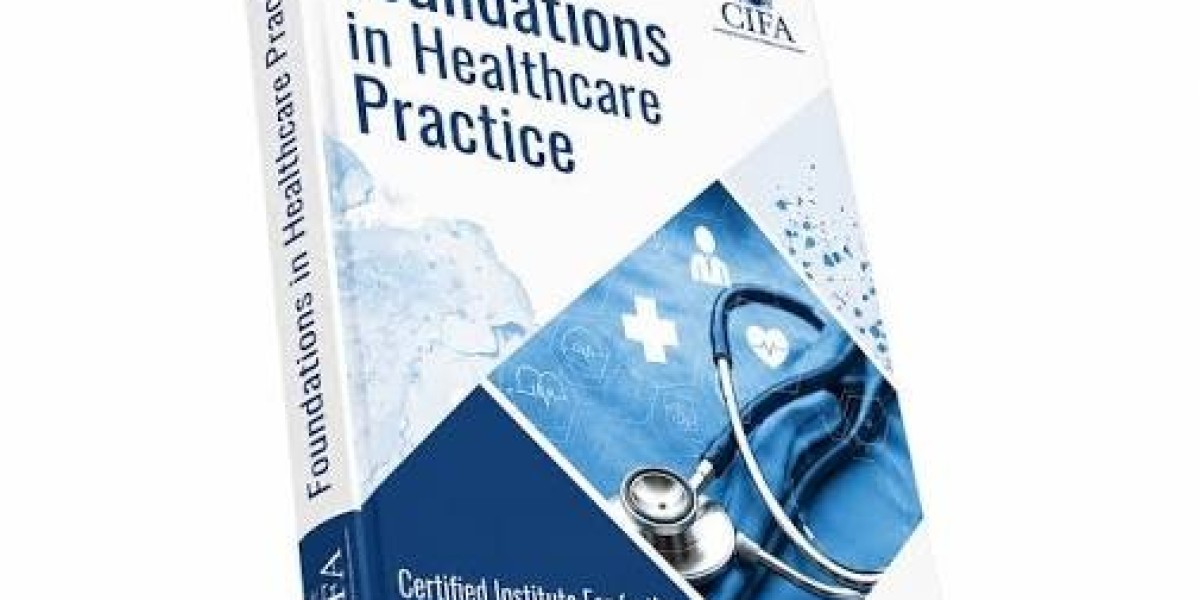

Healthcare is a demanding professional environment where knowledge, responsibility, communication, ethical behaviour, and patient safety all play an important role. Professionals working in healthcare need more than technical knowledge. They also need to understand professional conduct, effective patient communication, risk prevention, accountability, and the importance of evidence-based practice.
The Foundations in Healthcare Practice course provides an opportunity for learners to develop a broader understanding of essential healthcare practices and professional responsibilities. The course is designed at an intermediate level and provides 40 CPD hours, with digital learning, chapter-based mock exams, lifetime portal access, and a Certificate of Achievement following successful completion and passing of the exam.
Why Healthcare Practice Skills Matter
Healthcare professionals interact with people who may be experiencing illness, vulnerability, anxiety, or uncertainty. Because of this, professional behaviour and communication are just as important as knowledge.
Strong healthcare practice involves understanding how to:
- Maintain professional standards
- Communicate effectively with patients
- Support patient safety
- Recognise and manage risks
- Work collaboratively with colleagues
- Follow appropriate healthcare procedures
- Take responsibility for professional decisions
- Continue developing knowledge and skills
A strong foundation can help learners approach healthcare responsibilities with greater confidence and awareness.
What Is Foundations in Healthcare Practice?
Foundations in Healthcare Practice is a professional development course focused on several important areas of modern healthcare practice. Rather than concentrating on one narrow healthcare role, it introduces learners to broader principles that can be relevant across different healthcare environments.
The course covers areas including professional conduct, evidence-based clinical practice, emergency care management, healthcare compliance, professional accountability, patient safety, incident reporting, communication, cultural awareness, and collaborative care.
This broad approach can make the course useful for learners who want to strengthen their understanding of healthcare practice and develop skills that support professional development.
Understanding Professional Conduct in Healthcare
Professional conduct is fundamental to maintaining trust between healthcare professionals, patients, families, and colleagues.
Healthcare workers are expected to demonstrate responsibility, integrity, respect, and appropriate professional behaviour. Understanding professional expectations can help individuals make better decisions when dealing with patients and challenging workplace situations.
A strong understanding of healthcare professionalism can also support effective teamwork and contribute to a positive working environment.
For anyone considering healthcare professional training, learning about professional conduct can therefore be an important part of career development.
The Importance of Evidence-Based Practice
Healthcare decisions should be informed by appropriate knowledge and reliable evidence. Evidence-based practice encourages professionals to consider available evidence alongside professional judgement and the needs of individual patients.
Developing an understanding of evidence-based approaches can help healthcare learners appreciate why clinical decisions should be considered carefully rather than based solely on assumptions or routine.
The course introduces learners to evidence-based clinical practice and emergency care management, providing an important foundation for understanding how professional knowledge can be applied in healthcare settings.
Patient Safety and Risk Prevention
Patient safety is one of the most important responsibilities within healthcare.
Even relatively small mistakes can have serious consequences, which makes risk awareness and incident reporting essential elements of professional practice. Healthcare professionals need to understand how risks can arise and why reporting incidents can contribute to improvements in care.
Learning about patient safety in healthcare can help professionals become more aware of potential risks and the importance of preventative approaches.
The course specifically addresses patient safety, risk prevention, and incident reporting, giving learners an opportunity to understand these areas as part of wider healthcare practice.
Healthcare Compliance and Professional Accountability
Compliance is another important aspect of healthcare. Professionals need to understand the expectations associated with their responsibilities and recognise the importance of following appropriate standards and procedures.
Professional accountability means taking responsibility for actions, decisions, and professional conduct. It also involves recognising areas where additional learning or development may be required.
For individuals searching for healthcare compliance training, understanding the connection between compliance, accountability, and continuous professional development can provide valuable career knowledge.
Communication in Healthcare
Communication is at the heart of effective patient care.
Healthcare professionals may need to explain information clearly, listen carefully to patients, work with families, and communicate with colleagues from different professional backgrounds. Poor communication can create misunderstandings, while effective communication can support better collaboration and patient experiences.
A professional healthcare course should therefore consider communication as an essential skill rather than an optional addition.
Foundations in Healthcare Practice explores patient communication and collaborative care, helping learners recognise the importance of communication within a professional healthcare environment.
Cultural Awareness and Collaborative Care
Healthcare professionals work with people from different backgrounds, cultures, experiences, and circumstances.
Cultural awareness can help professionals communicate more respectfully and understand that patients may have different perspectives, expectations, and needs.
Collaborative care is equally important. Healthcare is rarely delivered by one person working independently. Doctors, nurses, healthcare assistants, administrators, therapists, support staff, and other professionals may all contribute to a patient's care.
Understanding how effective collaboration works can help learners appreciate the wider healthcare team and their own professional responsibilities.
Continuous Professional Development in Healthcare
Healthcare continues to change through developments in technology, research, professional standards, and patient expectations. Continuous learning is therefore an important part of maintaining professional competence.
CPD can help healthcare professionals:
- Refresh existing knowledge
- Develop new professional skills
- Improve confidence
- Identify areas for further learning
- Maintain a commitment to professional development
- Adapt to changes within healthcare environments
The Foundations in Healthcare Practice course provides 40 CPD hours, making it suitable for learners looking to add structured professional development to their existing learning journey.
Who Can Benefit From Healthcare Practice Training?
The course can be relevant to people who want to develop their understanding of healthcare practice from a broader professional perspective.
Potential learners may include:
- Individuals beginning a healthcare-related career
- Healthcare support workers
- Professionals looking to refresh their knowledge
- Learners interested in healthcare administration or support roles
- Career changers exploring healthcare
- Professionals seeking additional CPD learning
- Individuals interested in patient safety and healthcare professionalism
It can also provide a useful learning foundation for people who want to understand the wider responsibilities associated with working in healthcare.
How Online Healthcare Training Can Support Learners
Online learning provides flexibility for people who need to balance professional development with work, personal responsibilities, or other commitments.
Digital healthcare training can allow learners to study at their own pace and revisit learning materials when needed. This can be particularly useful for working professionals who may not be able to attend traditional classroom sessions.
The CIFA course provides lifetime portal access alongside chapter-based mock exams, allowing learners to use the online learning environment as part of their preparation.
Building a Stronger Healthcare Career Foundation
A successful healthcare career depends on more than one qualification or individual skill. Professionals need a combination of knowledge, responsibility, communication, ethical awareness, teamwork, and commitment to patient safety.
Developing these foundations early can help learners understand what professional healthcare practice involves and identify areas where they may want to specialise in the future.
For career changers, structured learning can also provide a useful introduction to the expectations and responsibilities associated with healthcare environments.
Why Choose CIFA for Healthcare Professional Development?
CIFA provides structured online learning across several professional education areas, including healthcare. Its Foundations in Healthcare Practice course combines professional development with practical areas such as patient safety, communication, compliance, accountability, and evidence-based practice.
The course is delivered digitally and includes CPD hours, mock exams, lifetime portal access, and a Certificate of Achievement after successful completion and passing the exam.
For learners who want a flexible way to strengthen their healthcare knowledge, this approach can provide a convenient starting point for continued professional development.
Career Development Through Healthcare Education
Healthcare offers a wide range of professional pathways. Depending on previous qualifications and experience, learners may progress towards roles involving patient support, administration, clinical environments, healthcare management, compliance, or other areas.
Education alone does not guarantee employment or career progression, but developing relevant knowledge can help individuals make more informed career decisions and identify suitable areas for further training.
A course focused on professional foundations can therefore be valuable for both new learners and existing professionals who want to strengthen their understanding.
Final Thoughts
The Foundations in Healthcare Practice course provides a broad introduction to important principles that influence modern healthcare environments. From professional conduct and evidence-based practice to patient safety, compliance, communication, cultural awareness, and collaborative care, these areas can contribute to a stronger understanding of professional healthcare responsibilities.
For individuals looking for healthcare professional training, CPD opportunities, or an introduction to essential healthcare practices, structured online learning can provide a flexible way to develop knowledge and confidence.
CIFA's healthcare course can be considered as part of a wider professional development plan for learners who want to build a foundation before progressing towards more specialised healthcare education.
Frequently Asked Questions
What is Foundations in Healthcare Practice?
Foundations in Healthcare Practice is a professional development course covering key areas such as professional conduct, evidence-based practice, healthcare compliance, patient safety, communication, cultural awareness, and collaborative care.
Is Foundations in Healthcare Practice suitable for beginners?
The course is classified as an intermediate-level programme, so it may be particularly suitable for learners who have some interest in healthcare and want to develop broader professional knowledge.
What topics are covered in healthcare practice training?
Key areas include professional conduct, evidence-based clinical practice, emergency care management, compliance, accountability, patient safety, incident reporting, patient communication, cultural awareness, and collaborative care.
Can healthcare training help with professional development?
Yes. Structured healthcare education can help learners develop knowledge, refresh existing understanding, and identify areas for further professional development.
Does the course provide CPD hours?
Yes. The course provides 40 CPD hours and includes chapter-based mock exams and lifetime portal access.