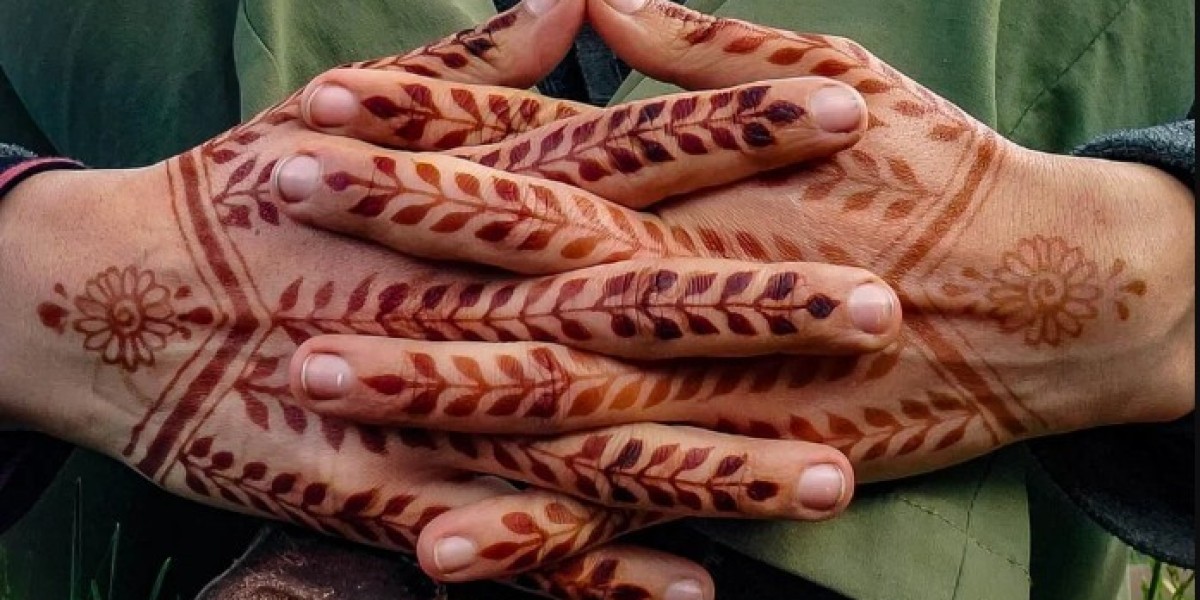

Every experienced henna artist has encountered this frustrating scenario: you prepare a fresh batch of high-quality organic henna paste, meticulously execute intricate design work, and enforce standard aftercare instructions, yet the client’s stain yields disappointing, uneven results. While external factors like skin prep or improper paste mixing are usually blamed, internal physiological variables play an equally crucial role. Biological shifts—specifically hormonal imbalances and thyroid conditions—can dramatically alter skin chemistry, surface temperature, and moisture levels. Understanding how these physiological changes impact the dye release and absorption process allows artists to troubleshoot effectively and deliver consistent, beautiful results for every client.
The Biological Link Between Hormones, Thyroid Function, and Skin Chemistry
To understand why henna stains unpredictably on certain clients, it is essential to look at how internal biology influences the stratum corneum, the outermost layer of the skin. Lawsone, the natural dye molecule in henna, binds directly to keratin proteins in this epidermal layer. However, the success of this molecular bond depends heavily on physiological parameters that thyroid function and hormonal cycles directly regulate.
Thyroid Regulated Body Temperature: The thyroid gland acts as the body's primary thermostat. Clients with hypothyroidism often experience lowered basal body temperatures and reduced peripheral blood flow, leaving extremities like hands and feet chronically cool. Because lawsone dye requires heat to penetrate and oxidize efficiently, cool skin often results in pale or sluggish color development. Conversely, hyperthyroidism can cause elevated body heat and excessive sweating (hyperhidrosis), which can wash away or blur paste before the dye sets.
Hormonal Fluidity and Sebum Production: Fluctuations during menstruation, pregnancy, menopause, or conditions like Polycystic Ovary Syndrome (PCOS) significantly alter lipid production and skin cell turnover. Spikes in progesterone or androgens stimulate excess sebum production, creating an invisible oil barrier that repels water-based henna paste. Conversely, sudden drops in estrogen lead to dehydration and erratic cell shedding, causing the dye to lift off prematurely.
Identifying the Signs of Biological Stain Resistance
Differentiating between poor aftercare and biological stain resistance is critical for providing professional guidance. When stain failures stem from client prep errors, the issue is usually localized to areas where lotions or oils were applied. Biological stain resistance, however, presents distinct systemic characteristics across the entire application area.
When evaluating a weak or inconsistent stain, look for the following indicators:
Patchy Oxidation: The stain achieves a deep tone on specific areas of the hand but remains faint or yellow on adjacent skin, despite identical paste coverage and contact time.
Delayed Color Maturation: A standard organic stain typically peaks within 24 to 48 hours. Hormonally affected skin may take up to 72 hours to oxidize fully, or it may plateau prematurely at an orange-brown shade.
Rapid Cell Depletion: The henna design fades rapidly within 2 to 3 days instead of lasting 1 to 3 weeks, caused by rapid epidermal shedding associated with certain thyroid treatments or hormonal shifts.
Recognizing these signs allows you to adjust your technique immediately rather than questioning your paste quality or assuming client negligence.
Pre-Application Adjustments for Hormonally Reactive Skin
When working with clients who disclose thyroid conditions or noticeable hormonal shifts, standard preparation methods must be adapted to optimize dye absorption. Modifying surface chemistry prior to application creates an ideal canvas for lawsone binding.
First, standard alcohol wipes may not be sufficient for excessively oily skin resulting from PCOS or hormonal surges. A mild, surfactant-rich cleanser should be used first to lift deeply embedded lipids, followed by a gentle, non-comedogenic witch hazel or isopropyl alcohol wipe. Avoid overly abrasive physical scrubs right before application, as uneven exfoliation can lead to blotchy dye distribution.
Second, thermal management is vital for clients suffering from hypothyroidism or poor circulation. If a client’s hands are cold to the touch, spend 5 to 10 minutes warming their skin before starting. Offer a warm cup of herbal tea, utilize warm towel wraps, or use a gentle heating pad under their arms. Elevating skin temperature dilates capillaries, softens the stratum corneum, and significantly improves initial dye penetration.
Tailoring Aftercare Protocols for Difficult-to-Stain Clients
Standard aftercare guidelines—such as keeping the paste on for 4 to 8 hours and avoiding water—often need custom adjustments when dealing with complex skin conditions. Customized aftercare can offset physiological disadvantages.
Extended Seal and Warmth: For cool or dry skin, keep the paste sealed longer using breathable medical tape (such as Hypafix) rather than liquid lemon-sugar sealant alone. The tape traps ambient body heat and moisture, forcing the dye deeper into sluggish skin layers.
Balancing Moisture Layers: Clients with thyroid-related dry skin require gentle hydration post-paste removal. Advise them to use natural balms rich in beeswax or cocoa butter to protect the oxidizing stain. However, for clients with oilier skin, heavy pastes can clog pores and cause premature fading; lightweight, non-comedogenic oils like jojoba are preferable.
Controlled Heat Exposure: Encourage clients with slow-oxidizing skin to safely warm their hands over a warm heat source or use warm compresses over wrapped designs during the oxidation window.
Client Communication and Professional Development
Addressing stain inconsistencies sensitive to health conditions requires tact, empathy, and professional confidence. Clients should never feel self-conscious about their body's unique chemistry. Instead, position your knowledge as a specialized service: explain that skin is a living organ influenced by internal health, and frame your modified techniques as a bespoke experience tailored specifically for them.
Mastering these nuances elevates an artist from a simple craftsperson to an expert practitioner. Understanding complex skin anatomy, botanical chemistry, and client consultations requires dedicated education. Enrolling in a comprehensive, structured henna course equips artists with the foundational science, advanced application techniques, and professional skills needed to handle challenging skin types with ease.
By combining clinical skin awareness with tailored aftercare and ongoing professional training, henna artists can consistently achieve vibrant, long-lasting stains regardless of the physiological hurdles their clients may face.