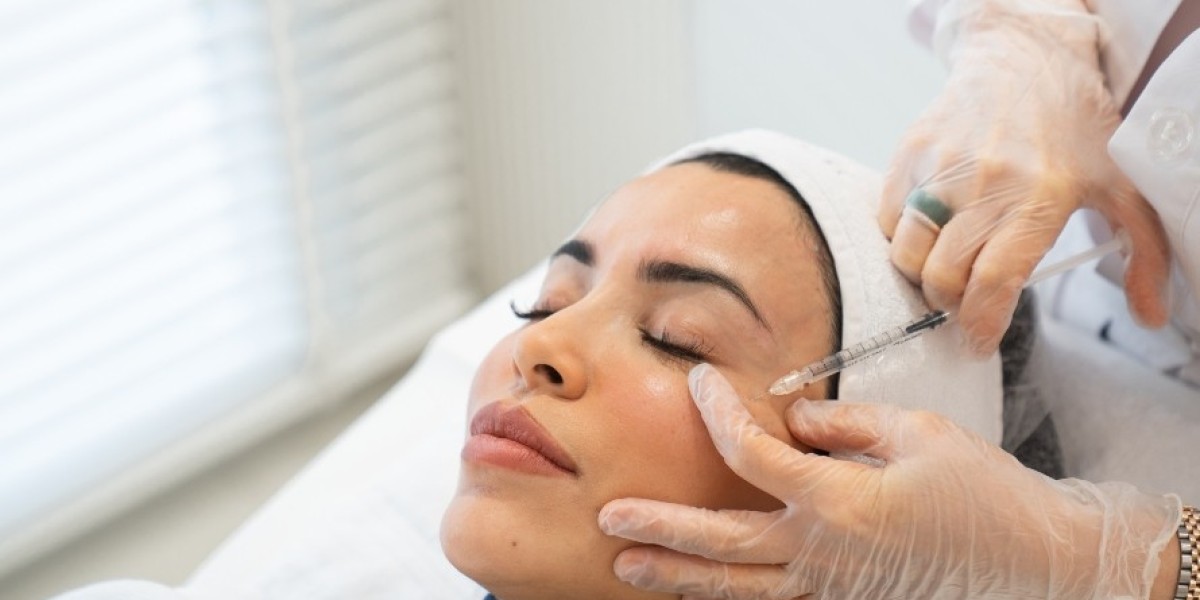

A refreshed upper-face appearance can depend on much more than the procedure itself. Brow Lift Surgery in Dubai results are shaped by several factors, including the person’s facial structure, skin quality, brow position, treatment technique, healing response, and the goals established before the procedure. Understanding these influences helps create realistic expectations and supports a more balanced and natural-looking outcome.
Understanding the Main Factors Behind Brow Lift Results
Brow lift outcomes are highly individual because every face has different proportions, tissue characteristics, and patterns of ageing. A technique that works beautifully for one person may require a different approach for another. The overall result depends on how carefully the treatment is planned around the existing facial anatomy.
The position of the eyebrows, forehead proportions, hairline, skin elasticity, muscle activity, and degree of tissue descent can all influence the final appearance. Facial symmetry is another important consideration because minor differences between the two sides are common.
Facial Structure and Brow Position
Natural facial anatomy plays an important role in determining how the brows can be repositioned. Some people naturally have a lower brow position, while others may have a naturally higher arch or a flatter brow shape.
The relationship between the eyebrows, eyelids, forehead, and upper face also affects the visual result. A well-planned treatment aims to create harmony rather than simply lifting the brows as high as possible.
Important structural considerations include:
- Existing brow height
- Forehead width and length
- Natural brow shape
- Hairline position
- Upper-face proportions
- Facial symmetry
Skin Elasticity and Tissue Quality
Skin quality can significantly influence how the forehead and brow area responds to repositioning. Younger or more elastic skin may adapt differently from skin that has experienced greater loss of firmness over time.
Collagen levels, natural elasticity, and the amount of looseness in the forehead tissues can all affect the appearance of the treated area. Tissue quality is therefore considered when determining how much lifting may be appropriate.
Degree of Brow and Forehead Descent
The amount of brow descent is another important factor. Mild lowering may require a different treatment plan from more noticeable tissue descent.
When the brow has gradually moved downward, the upper eyelid region can appear heavier. A carefully planned lift may reposition the brow while maintaining the person’s natural facial character. The intended outcome is generally a refreshed appearance rather than an overly elevated or surprised expression.
Individual Treatment Goals
Personal expectations can strongly influence satisfaction with the result. Some people may want subtle rejuvenation, while others may seek a more noticeable improvement in the forehead and brow region.
Clear communication about the desired brow shape, height, and overall facial appearance helps establish an appropriate treatment direction. The goal should remain realistic and compatible with the person’s natural anatomy.
The Role of Treatment Planning
Detailed planning is one of the most important parts of achieving a balanced outcome. Facial measurements, brow position, forehead characteristics, skin condition, and tissue movement can all be assessed before treatment.
Good planning also considers how the brows interact with surrounding facial features. Instead of treating the brow as an isolated area, the overall upper-face appearance can be considered to create a more cohesive result.
Endoscopic Brow Lift Treatment
An endoscopic brow lift is one approach used to reposition the forehead and brow tissues through smaller access points. A small camera can assist with visualization while the underlying tissues are adjusted according to the planned outcome.
This approach may be considered when the treatment goals involve moderate brow repositioning and forehead refinement. The final appearance depends on the individual anatomy, the degree of tissue movement required, and how the tissues respond during healing.
The method is designed around precise tissue positioning rather than creating an exaggerated change. The brow shape and surrounding facial proportions remain important throughout the planning process.
Traditional Brow Lift Treatment
A traditional brow lift is another treatment approach that can address more extensive forehead and brow concerns. The technique involves a different access pattern and may provide greater ability to address certain degrees of tissue descent.
Its suitability depends on individual anatomy, hairline characteristics, forehead proportions, and the amount of correction required. The treatment plan can be tailored according to the desired brow position and the overall appearance of the upper face.
Both approaches focus on improving the relationship between the forehead and eyebrows while maintaining facial balance. Selecting an appropriate technique depends on the person’s individual features and treatment objectives.
Muscle Activity and Brow Movement
Muscle activity can influence the appearance of the eyebrows over time. The forehead contains muscles that contribute to brow movement and facial expression, so their activity is relevant when planning a brow lift.
A natural result generally allows the face to retain expressive movement. Treatment planning therefore takes the functional relationship between the brow and forehead muscles into account.
Healing and Individual Tissue Response
Every person heals differently. The body's natural tissue response can influence how the repositioned structures settle over time. Factors such as tissue characteristics, age, general wellbeing, and individual healing patterns may contribute to how the final appearance develops.
The visible result may also evolve gradually rather than appearing completely established immediately. Patience can be important while the tissues settle into their new position.
Age and Changes in Facial Tissues
Age can influence skin elasticity, tissue position, and facial structure. As the upper face changes over time, the skin may become less firm and the supporting tissues may gradually shift.
However, age alone does not determine the quality of a potential result. The condition of the tissues, facial anatomy, and treatment objectives are generally more relevant when developing an individualized plan.
Brow Shape and Facial Harmony
A successful result is not simply about raising the eyebrows. Brow shape matters just as much as brow height. An excessively high or sharply angled brow can appear inconsistent with the rest of the face.
The desired shape may involve a gentle arch, a straighter appearance, or preservation of the person’s natural contour. Facial harmony should guide the positioning rather than following a single universal brow pattern.
How Expectations Influence Satisfaction
Expectations should be realistic and clearly defined before treatment. A brow lift can improve the position and appearance of the upper face, but it does not completely change the person's underlying facial structure.
Understanding what the treatment is designed to accomplish can help create a more positive experience. A natural-looking result often focuses on refinement, proportion, and rejuvenation rather than dramatic transformation.
Frequently Asked Questions
What is the main factor affecting brow lift results?
Individual facial anatomy is one of the most important factors. Skin elasticity, brow position, tissue descent, muscle activity, treatment selection, and healing response can also influence the outcome.
Can skin quality affect the final brow position?
Yes. Skin elasticity and tissue quality can influence how the forehead adapts after the tissues have been repositioned. Individual tissue characteristics are therefore considered during treatment planning.
Are there different brow lift treatment approaches?
Yes. Endoscopic and traditional brow lift approaches are commonly used, with the appropriate method depending on anatomy, tissue descent, forehead characteristics, and the intended result.
Does the natural brow shape matter?
Yes. The existing brow shape provides an important reference when planning the desired appearance. Maintaining facial harmony can help create a result that looks natural rather than artificially elevated.
Does age determine the outcome?
Age can influence skin and tissue characteristics, but it is not the only factor. Individual anatomy, tissue quality, treatment goals, and healing response also have an important role.
When does the final appearance become clearer?
The appearance can continue changing as the tissues settle and healing progresses. The timing varies between individuals, so the final result should be assessed according to the person's natural healing process.
Key Considerations for a Natural-Looking Result
A balanced outcome usually comes from combining appropriate treatment selection with careful planning and realistic expectations. The brow should complement the forehead, eyelids, and overall facial structure instead of appearing separate from them.
The most important considerations include:
- Natural brow position
- Facial proportions
- Skin elasticity
- Degree of tissue descent
- Forehead structure
- Muscle movement
- Individual healing response
- Desired level of rejuvenation
What Should Be Considered Before Treatment?
A thorough assessment can help identify the factors that may influence the expected outcome. Facial proportions, brow symmetry, skin quality, tissue position, and personal aesthetic goals can all be reviewed before selecting an appropriate approach.
This individualized process helps ensure that the planned brow position fits naturally with the rest of the face. It also supports more realistic expectations about how the appearance may develop over time.
Conclusion
Brow Lift Surgery in Dubai results can be influenced by facial anatomy, brow position, skin elasticity, tissue descent, muscle activity, treatment selection, healing response, and personal expectations. Both endoscopic and traditional approaches can be planned according to individual needs, with the overall objective of creating balanced upper-face rejuvenation. Understanding these factors allows individuals to approach treatment with clearer expectations and a stronger appreciation of how personalized planning can shape a natural-looking result.