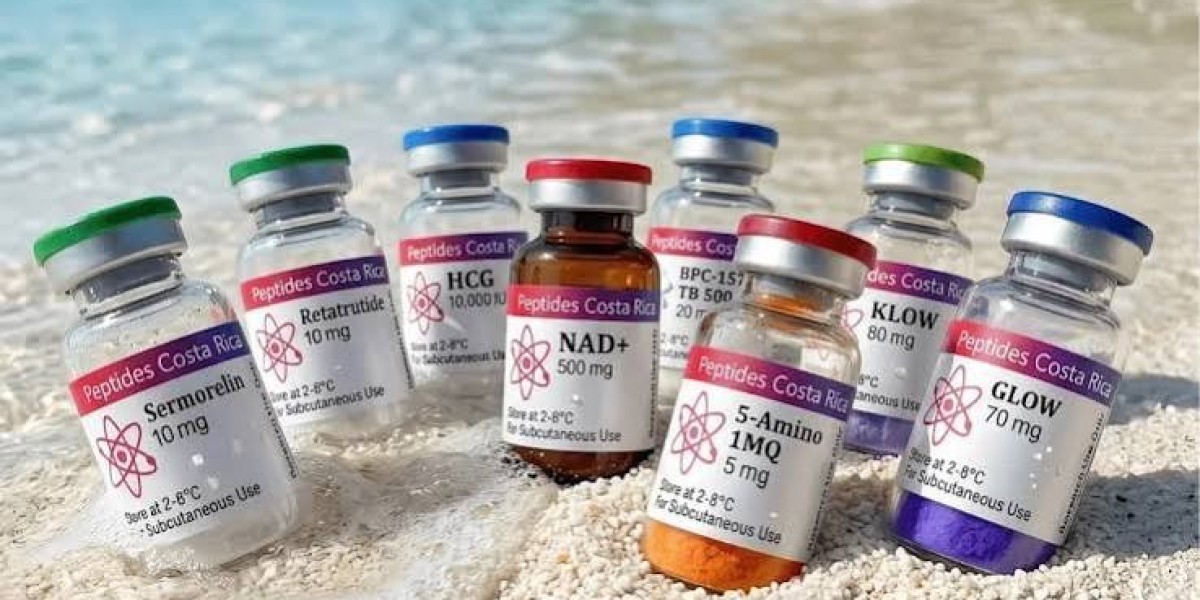

Collagen Peptides have gone from a niche supplement to a daily habit for millions of people, showing up in coffee scoops, smoothies, gummies, and skincare conversations everywhere. As interest in peptides grows, a lot of confusion has followed, especially about what is an everyday wellness product and what is a medical product. This guide explains what collagen peptides really are, what the research says, and why terms like bacteriostatic water keep appearing in peptide searches.
What Are Collagen Peptides?
Collagen is the most abundant protein in the body, found in skin, bones, tendons, ligaments, and cartilage. Collagen peptides, also called hydrolyzed collagen, are small fragments of collagen created by breaking the protein down with enzymes. This makes them easy to digest and simple to dissolve in hot or cold liquids.
Common sources include:
- Bovine (cow) collagen, typically rich in type I and type III collagen
- Marine collagen, from fish skin or scales, mostly type I
- Chicken collagen, often used in joint-focused products
- Eggshell membrane, a newer, less common source
Collagen peptides are sold as powders, capsules, ready-to-drink shots, and gummies. They are food supplements, not drugs.
Why Collagen Peptides Are Trending
Several forces are driving the popularity.
The "beauty from within" movement. Consumers want results that support skin from the inside rather than relying on creams alone.
Healthy aging and mobility. Collagen naturally declines with age, and many adults look for ways to support joints and connective tissue.
Convenience. Unflavored powders blend into drinks and recipes without changing the taste much.
Social media and wellness culture. Creators have made collagen a staple of morning routines, and brands have responded with endless product variations.
What Does the Research Say?
The evidence is encouraging but not unlimited. Several randomized studies and reviews suggest oral collagen peptides may offer modest benefits:
- Skin hydration and elasticity: Some trials report improvements after 8 to 12 weeks of daily use.
- Joint comfort: Studies in active adults and people with osteoarthritis have noted reduced discomfort in some participants.
- Bone and connective tissue support: Early research is interesting but still developing.
- Nails and hair: Some small studies report improved nail strength, though evidence is thinner.
Results vary, and many studies are funded by supplement manufacturers, so a balanced view matters. Collagen peptides work best as part of a broader lifestyle that includes protein, vitamin C, sun protection, sleep, and exercise.
How to Choose a Quality Collagen Peptide Supplement
Not all products are equal. Look for these markers:
- Clear sourcing. The label should state whether it is bovine, marine, or another source.
- Third-party testing. Independent testing for heavy metals and contaminants adds confidence.
- Simple ingredients. Avoid products loaded with sugar, artificial sweeteners, or fillers.
- Transparent dosing. Many studies use roughly 2.5 to 15 grams daily, but follow the product's directions or your healthcare provider's advice.
- Allergen awareness. Marine collagen may contain fish allergens, and some products include shellfish-derived ingredients.
How to Take Collagen Peptides
Consistency matters more than timing. Many people stir powder into coffee, tea, oatmeal, yogurt, or smoothies. Pairing collagen with foods rich in vitamin C, such as citrus, berries, or peppers, makes sense because vitamin C is involved in the body's own collagen production.
Give it time. Most studies run for at least two to three months before measuring changes.
Collagen Peptides vs. Injectable Peptides: A Crucial Difference
This is where much of the online confusion starts. Collagen peptides taken by mouth are dietary supplements. They are digested like other proteins and are generally considered low-risk for healthy adults.
Injectable peptides are a completely different category. These are therapeutic compounds, often prescription medications, that may arrive as a freeze-dried powder in a vial and must be prepared by a qualified professional before use. Many are regulated drugs, and some "research peptides" sold online are not approved for human use at all.
Collagen powder from the supplement aisle is never mixed with the liquids used for injectable medications. The two should not be confused.
What Is Bacteriostatic Water?
Because injectable peptide discussions are everywhere online, people also search for the supplies involved. Bacteriostatic water is sterile water that contains 0.9% benzyl alcohol, a preservative that inhibits bacterial growth. It is used in medical settings as a diluent, meaning a liquid to dissolve or dilute certain medications that are meant for injection.
Key facts to understand:
- It is a medical product, not a supplement or cosmetic ingredient.
- The benzyl alcohol allows multi-dose vials to be used for a limited time, which is why it differs from plain sterile water.
- It is not appropriate for everyone. It is not used for newborns or premature infants, and it is not meant to be injected on its own or in large volumes.
- It must only be used as directed by a licensed healthcare professional and the specific medication's labeling, since not every drug is compatible with it.
Online forums often present instructions and shortcuts for preparing injectables at home. Please treat that advice with caution. Preparation errors can cause contamination, wrong dosing, or serious infection, which is why this belongs in the hands of trained professionals.
Safety and Regulation Tips
Buy from licensed sources. Pharmacies and medical suppliers are far safer than anonymous marketplaces or social media sellers.
Check authenticity. Look for proper labeling, lot numbers, and expiry dates. Avoid unlabeled or oddly packaged products.
Be skeptical of miracle claims. No peptide, supplement, or injection can legally promise to reverse aging or cure disease.
Follow local rules. Regulations on peptides and medical supplies vary by country and can change, so verify with your health authority or a qualified professional.
Ask a clinician. If you are curious about therapeutic peptides, a doctor can explain what is appropriate, safe, and legal for your situation.
Who Should Talk to a Doctor First?
Consult a healthcare professional before starting collagen supplements if you are pregnant or breastfeeding, have a food allergy to fish, shellfish, beef, or eggs, have kidney problems, or take regular medication. Anything involving injections or prescription peptides requires medical supervision without exception.
Frequently Asked Questions
Do collagen peptides really work?
Some studies show modest improvements in skin hydration, elasticity, and joint comfort after weeks of daily use. Results vary, and collagen works best alongside a healthy lifestyle.
How long do collagen peptides take to work?
Most research uses 8 to 12 weeks or longer, so patience and consistency are important.
Are collagen peptides safe?
They are generally well tolerated by healthy adults. Mild side effects can include bloating or a lingering aftertaste. People with allergies should check the source carefully.
Is bacteriostatic water the same as collagen peptide liquid?
No. Bacteriostatic water is a sterile medical diluent. Collagen peptides are oral dietary supplements. They are unrelated products with different purposes.
Can I buy bacteriostatic water without a prescription?
Availability depends on your country and local regulations, and in many places it is classed as a medical or prescription product. Check with a licensed pharmacist rather than relying on online sellers.
Is marine collagen better than bovine collagen?
Neither is clearly superior. Marine collagen is often chosen by people avoiding beef, while bovine is common and widely studied. Choose based on dietary needs, allergies, and budget.
Can collagen peptides replace skincare products?
No. They may support skin from within, but daily sunscreen and a suitable topical routine remain essential.
Final Thoughts
The peptide trend is expanding fast, and clarity is the best protection against hype. Collagen peptides are a simple, accessible supplement with modest but promising evidence, while products like Bacteriostatic Water belong to the medical world and should only be handled under professional guidance. Knowing which is which keeps you safe and helps you spend money on what actually fits your goals.