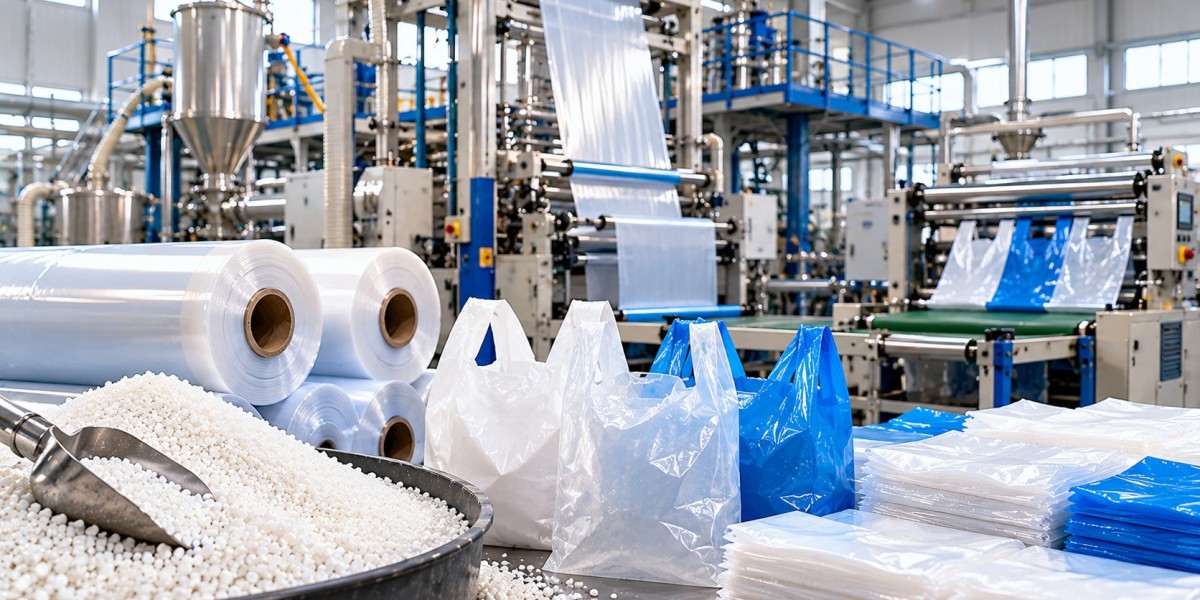

Nylon bags are everywhere once you start looking. Backpacks, luggage, sports duffels, grocery totes, laundry bags, industrial sacks. The material is light, strong and resists abrasion, and that's why brands keep coming back to it. Demand is broad, but so is competition, and margins in bag manufacturing are usually thinner than the sales pitch suggests. That's where a plant decision either holds up or falls apart.
If you're an investor, a business broker, a corporate adviser or a lender, a Nylon Bag Production Cost Report is the right place to begin. It shows what it costs to make a bag, what the facility needs in capital, and how much the margins depend on fabric prices, labor and order volume. Without those numbers, you're mostly trusting a sales forecast.
What a Production Cost Report Covers
A cost report starts with the process: how nylon fabric is sourced, cut, sewn, assembled and finished. Raw materials come next, with consumption per unit and price assumptions, followed by utilities such as electricity, compressed air and water for any coating or printing stages.
Infrastructure covers land, factory buildings, cutting rooms, sewing floors, warehousing and quality areas. Machinery is itemized, from spreading and cutting tables to industrial sewing machines, bar-tack and embroidery units, and heat-sealing or welding equipment. Manpower is costed by role and is a very large line here. Packaging covers polybags, cartons and labels. Transportation includes inbound fabric and outbound bags, and for export-oriented plants, container freight is a real cost.
Raw Materials Required for Nylon Bag
The main input is nylon fabric, usually nylon 6 or nylon 6,6, woven in deniers chosen for the bag type. Light fabrics suit shopping bags and packables, while heavy ballistic or Cordura-style weaves go into rugged luggage and backpacks. Many fabrics carry a polyurethane or PVC coating for water resistance.
Then come the components. Thread, zippers, buckles, webbing, foam padding, mesh, linings, rivets, labels and drawcords all add up. Some products need reflective trims or branded hardware. Printing inks or dyes come in if you decorate in-house.
Fabric is the biggest material cost, and its price follows nylon yarn, which follows caprolactam and adipic acid feedstocks. That's a long chain, and price swings upstream reach you eventually. Zippers and hardware are smaller lines, but quality failures there cause returns.
Production Process Used Industrially
The process is straightforward but labor-heavy. Fabric rolls are inspected, laid out in layers on a cutting table and cut into panels using manual, automated or laser cutters. Printing, embroidery or coating may be applied at this stage, depending on the design.
Panels move to the sewing lines. Operators stitch components in sequence, attaching zippers, straps, pockets and linings before closing the main body. Some bags use heat welding or ultrasonic bonding instead of stitching, especially for waterproof designs. After assembly, bags go through trimming, quality inspection, pressing or shaping, and final packing.
Line design matters a lot. Modular or progressive bundle systems can raise output per operator, while poor line balancing wastes labor hours. A cost report should show how efficiency assumptions feed into cost per bag.
Capital Investment and Plant Setup Cost Factors
Compared with heavy industry, capital needs are moderate. Equipment is the largest block, though it's mostly many small machines rather than a few large ones. Sewing machines, cutters, embroidery units, welding presses and testing tools add up quickly across a full floor.
Building costs depend on scale and location. You need open floor space, good lighting, ventilation, fire safety and warehouse area for bulky fabric rolls. Land is usually a smaller share than in chemicals or metals. Engineering, layout design, installation and licensing come on top, along with any compliance certifications that export buyers demand.
Working capital is often underestimated. Fabric and trim inventories, work in progress and long payment terms from brand customers can tie up a lot of cash. Many small factories get stuck right here.
Operating Cost Factors
Variable costs follow output. Fabric and components lead, followed by thread, packaging, power and freight. Rejects and cutting waste affect fabric consumption more than most people expect, so marker efficiency is worth tracking.
Fixed costs include supervisors, maintenance staff, insurance, rent or site overheads, compliance costs and administration. Labor is the most important cost line after materials, and wage levels, overtime and worker turnover all move the number. Skilled sewers take time to train, and losing them hurts productivity.
Maintenance covers machine servicing, needles, cutting blades and replacement parts. Financing depends on the debt and equity mix, and depreciation spreads equipment cost across its life. A solid Nylon Bag Production Cost Report lays these out together so you can see which items actually set your unit cost.
What Pushes Cost Up or Down
Fabric price comes first. Nylon yarn prices follow energy and petrochemical markets, and a sharp move upstream shows up in your material bill within weeks or months.
Labor is the next big lever. Wage rates, productivity and skill levels differ enormously between regions, and that's why bag manufacturing has shifted toward lower-wage countries over the years. Automation in cutting and some sewing operations can reduce dependence on labor, though the payback depends on order sizes. Short runs and frequent design changes hurt efficiency, while long, repeat orders help.
Scale matters, but with limits. Larger factories negotiate better fabric prices and spread overheads, yet they also need steady orders to keep lines busy. Design complexity plays in too. A bag with many compartments, padding and zippers takes far more operator time than a simple tote.
Region ties the rest together. Labor rates, export incentives, tariffs, freight distance to buyers and compliance standards all change the final number.
Frequently Asked Questions
Q: What's the biggest cost in making nylon bags?
Fabric, usually, followed closely by labor. Which one leads depends on bag complexity and where the plant sits.
Q: Is this a good business for a small investor?
It can be, since capital needs are lower than in most manufacturing sectors. But margins are tight and customers hold a lot of pricing power. Success tends to depend on securing repeat buyers, keeping efficiency high and managing cash carefully, because payment delays can squeeze a small plant hard. A modest factory with steady orders often does better than a large one chasing scattered business.
Q: Does automation make sense?
In cutting, often yes. Automated cutters reduce fabric waste and labor time.
Q: How much does bag design affect cost?
A great deal. Extra pockets, padding, heavy hardware and detailed stitching all add material and operator time. Two bags of similar size can differ by a wide margin in cost per unit. That's why a cost report usually models specific product types rather than a single average bag.
Q: Can I compare in-house production against outsourcing?
Yes. A cost report lets you weigh owning a factory against using contract manufacturers and see where the break-even sits.
Why a Professional Cost Report Matters
Think about how many moving parts there are: fabric prices, labor productivity, order patterns, design complexity and export rules. Would you commit capital to a factory without seeing how each one changes your margin?
A professional cost report gives you a baseline you can defend. Lenders see that the analysis was done properly, brokers can price deals with more confidence, and advisers can catch weak assumptions before they turn into losses. Frankly, the report costs a small fraction of what it protects. If you're evaluating a nylon bag manufacturing plant, begin with a dependable Nylon Bag Production Cost Report and build the rest of your decision on it.