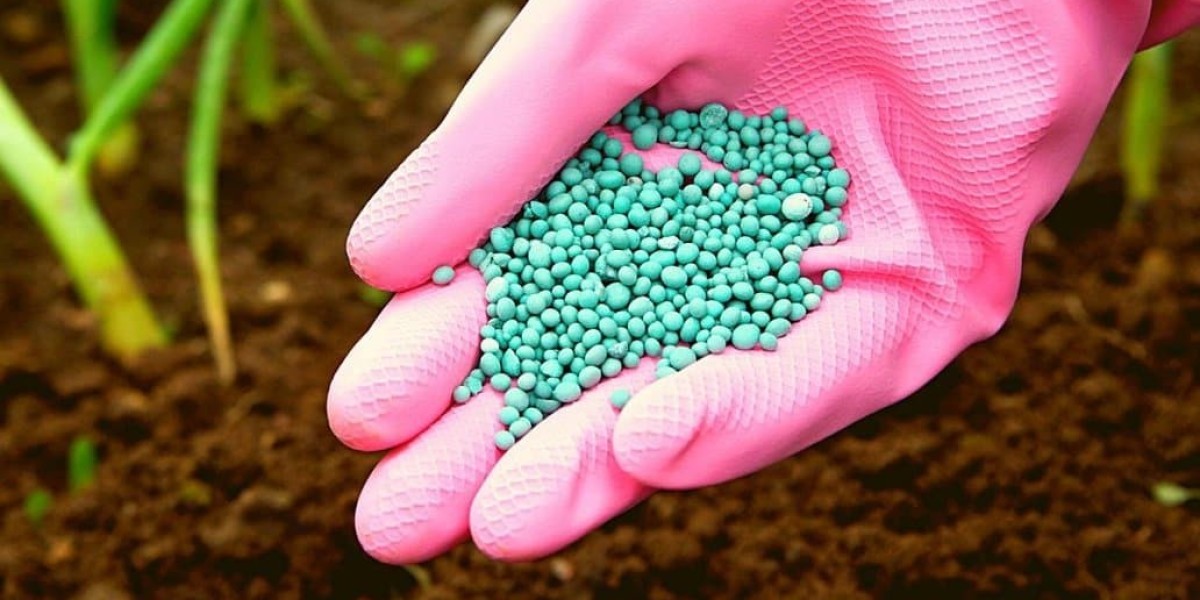

The Green Fertilisers Market is gaining strategic importance as agriculture seeks to reduce dependence on conventional fossil-fuel-intensive inputs and lower the environmental footprint associated with crop nutrition. Green fertilisers can include products manufactured using renewable energy, low-carbon hydrogen, recycled nutrients, organic waste streams, biological processes, and other resource-efficient technologies. Their potential benefits are significant, but the transition from conventional fertiliser systems is accompanied by numerous commercial, technological, operational, and policy-related Threats.
Unlike established fertiliser products supported by mature infrastructure and predictable supply chains, many green alternatives are still developing production capacity and market acceptance. The ability of the sector to expand will depend not only on sustainability advantages but also on whether producers can deliver competitive prices, consistent quality, reliable nutrient performance, and large-scale availability.
High Production Costs Create a Major Competitive Threat
One of the most significant Threats facing the Green Fertilisers Market is the relatively high cost of production. Manufacturing low-carbon fertilisers may require renewable electricity, green hydrogen, advanced processing equipment, nutrient recovery systems, or specialized waste-treatment technologies. These requirements can increase capital expenditure and operating costs compared with conventional production methods.
For example, green ammonia production depends heavily on the availability and cost of renewable power and electrolytic hydrogen. If electricity prices rise or renewable generation is insufficient, production economics can become challenging. Conventional fertiliser manufacturers may continue benefiting from established natural gas infrastructure and large-scale production facilities, creating a substantial cost advantage.
Farmers are particularly sensitive to fertiliser prices because input expenses directly affect farm profitability. Even when green products offer environmental benefits, growers may hesitate to pay a premium unless they receive financial incentives, improved crop yields, or access to markets that reward sustainable production.
Limited Renewable Energy Availability Can Restrict Production
The expansion of green fertiliser manufacturing is closely connected to the growth of renewable energy infrastructure. Electrolysis-based hydrogen production, for instance, requires substantial quantities of electricity. Competition for renewable power is increasing across industries such as transportation, steel, chemicals, data infrastructure, and other energy-intensive sectors.
This creates a supply-related threat for fertiliser producers. In regions where renewable electricity capacity is limited, manufacturers may struggle to secure sufficient clean power at stable prices. Electricity intermittency can also complicate continuous industrial operations unless energy storage or flexible production systems are available.
A large-scale green fertiliser facility may require significant and dependable power generation over many years. Delays in solar, wind, transmission, or storage projects could therefore postpone fertiliser investments and reduce confidence among potential investors.
Infrastructure Gaps Threaten Large-Scale Commercialization
Existing fertiliser supply chains were primarily developed around conventional production systems. Green fertilisers may require new infrastructure for renewable hydrogen, ammonia storage, nutrient recovery, biomass processing, transportation, and decentralized distribution.
Building this infrastructure can be expensive and time-consuming. Ports, pipelines, storage terminals, rail networks, and distribution facilities may need modification to support new production patterns. In addition, some green fertiliser technologies could depend on locally collected agricultural residues or organic waste, creating complex logistics requirements.
The transportation of low-density organic materials can be particularly challenging because moving large volumes over long distances may reduce economic efficiency. Without efficient collection and processing networks, nutrient-recycling projects may remain limited to local or regional markets rather than achieving broader commercial scale.
Technology Performance and Scalability Remain Important Risks
Another major category of Green Fertilisers Market Threats involves technological uncertainty. Some production technologies have demonstrated promising results at pilot or demonstration scale but have not yet proven their ability to operate economically at very large volumes.
Scaling a technology from a small facility to commercial production can introduce unexpected engineering problems, maintenance requirements, energy losses, and quality-control challenges. Investors may therefore be cautious about funding projects that rely on relatively new production processes.
Nutrient consistency is also essential. Farmers require fertilisers with predictable nutrient concentrations and application characteristics. Products derived from recycled waste streams or organic feedstocks may vary in composition unless advanced processing and quality assurance systems are used. Inconsistent performance could weaken farmer confidence and slow repeat purchases.
Competition From Low-Cost Conventional Fertilisers
Conventional nitrogen, phosphate, and potassium fertilisers have deeply established global supply chains. Large producers operate at significant economies of scale, and many farmers are familiar with the performance and application methods of these products.
Periods of lower natural gas prices could make conventional nitrogen fertilisers more affordable, increasing the price gap between traditional and low-carbon alternatives. This represents a serious commercial threat because sustainability benefits alone may not be enough to influence purchasing decisions in highly price-sensitive agricultural markets.
Green fertiliser producers must therefore compete on multiple factors, including price, nutrient efficiency, environmental performance, reliability, and service support. If conventional products remain significantly cheaper, adoption may depend heavily on subsidies, carbon pricing mechanisms, or sustainability requirements.
Uncertain Policies and Regulations Can Delay Investment
Government policies are expected to play an important role in supporting sustainable fertiliser production. However, inconsistent regulations represent another important threat. Changes in subsidies, renewable energy incentives, carbon markets, agricultural programs, or environmental standards can significantly alter project economics.
A company may invest substantial capital based on anticipated policy support, only to face financial difficulties if incentives are reduced or regulatory frameworks change. Differences between countries can also create an uneven competitive environment.
Clear definitions are particularly important. Manufacturers and buyers need to understand what qualifies as a green or low-carbon fertiliser. Without common standards for measuring lifecycle emissions and environmental performance, the market could face confusion and inconsistent sustainability claims.
Greenwashing and Verification Challenges May Reduce Trust
As sustainability becomes an increasingly important purchasing factor, companies may promote products as environmentally friendly without providing sufficient evidence. This creates a greenwashing threat that could affect the reputation of the entire sector.
A fertiliser marketed as green may still involve significant emissions during feedstock extraction, transportation, processing, or electricity generation. Accurate lifecycle assessment is therefore essential for distinguishing genuinely low-carbon products from those with limited environmental advantages.
Farmers, food companies, investors, and regulators are likely to demand stronger verification. If certification systems remain fragmented, buyers may struggle to compare products. A lack of transparency could reduce willingness to pay for sustainable fertilisers and make market development more difficult.
Farmer Adoption Barriers and Economic Uncertainty
Agriculture is a sector where purchasing decisions are strongly influenced by risk. Farmers may be reluctant to experiment with unfamiliar fertiliser products if there is uncertainty about crop response, nutrient availability, storage requirements, or application methods.
A single unsuccessful growing season can create significant financial losses. Therefore, green fertiliser suppliers may need to provide field demonstrations, agronomic guidance, soil testing, and technical support. These activities increase the cost and complexity of market development.
Small and medium-sized farms may face additional barriers because they often have limited financial flexibility. Unless green fertilisers demonstrate clear economic value, adoption could remain concentrated among larger farms or regions with strong government support.
Supply Chain Volatility and Feedstock Constraints
Green fertiliser production may depend on renewable electricity, agricultural waste, municipal organic waste, recovered nutrients, or other alternative feedstocks. These resources can face seasonal fluctuations and competing uses.
Agricultural residues, for example, may already be used for animal feed, energy generation, soil improvement, or industrial applications. Increased demand from multiple sectors could raise prices and limit availability. Similarly, recovered phosphorus and other nutrients may require extensive collection and processing infrastructure.
Supply chain disruptions could make production volumes unpredictable. Companies must therefore develop diversified sourcing strategies rather than relying heavily on a single feedstock or energy source.
Capital Investment Risks and Financing Challenges
Large-scale green fertiliser projects can require substantial upfront investment before generating commercial revenue. Investors may perceive these projects as high-risk because of uncertain technology performance, evolving policies, volatile energy costs, and unclear future demand.
Long project development timelines can further increase financial exposure. Rising interest rates, equipment costs, or construction expenses may weaken project profitability before production even begins.
To overcome this threat, producers may increasingly rely on long-term supply agreements, government-backed financing, strategic partnerships, and guaranteed demand from agricultural or food-sector customers.
Conclusion: Managing Threats Will Determine Long-Term Market Success
The Green Fertilisers Market has substantial potential, but its future growth is not guaranteed. High production costs, renewable energy constraints, infrastructure gaps, technology risks, conventional competition, regulatory uncertainty, and farmer adoption challenges represent significant Threats to market expansion.
Long-term success will require more than producing a lower-carbon fertiliser. Companies must create reliable supply systems, demonstrate consistent agronomic performance, improve production efficiency, and build trust through transparent environmental verification. Collaboration between energy providers, technology developers, agricultural organizations, governments, and farmers will be essential.
As production technologies mature and renewable energy becomes more widely available, several current challenges may gradually decline. However, companies that proactively manage these Threats, secure stable resources, reduce costs, and provide measurable value to farmers will be better positioned to compete in the evolving sustainable agriculture landscape.