
Quick Summary
Traditional identity documents such as passports, driver's licenses, and identity cards have served as the foundation of personal verification for decades. However, rapid advances in biometric technology are changing how governments, businesses, and individuals confirm identity. This article explores whether Digital fingerprinting can eventually replace conventional identity documents, examines its benefits and limitations, discusses privacy and security concerns, and explains why biometric verification is becoming a cornerstone of future digital identity systems.
Introduction
Identity verification is evolving at an unprecedented pace. Governments are modernizing public services, financial institutions are strengthening fraud prevention, and businesses are looking for faster ways to authenticate customers. At the center of this transformation is Digital fingerprinting, a biometric technology that provides secure, accurate, and efficient identity verification without relying solely on physical documents.
Although traditional identity documents remain legally essential across most countries, digital biometric verification is steadily reducing dependence on paper-based identification. The future is likely to combine government-issued credentials with advanced biometric authentication to create a safer and more convenient identity ecosystem.
Why Digital fingerprinting Is Changing Identity Verification
Identity documents have long been vulnerable to several challenges, including:
Physical damage
Loss or theft
Counterfeiting
Human verification errors
Time-consuming manual inspections
Biometric authentication addresses many of these issues by verifying unique biological characteristics rather than relying only on printed information.
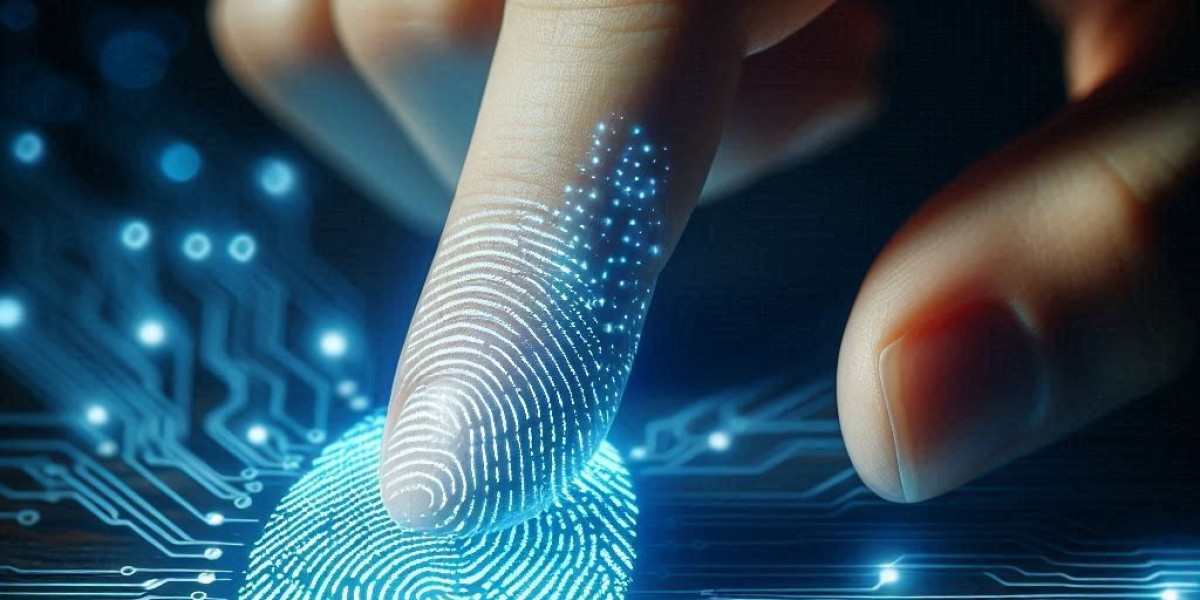
Fingerprint patterns are formed before birth and remain remarkably stable throughout life, making them one of the most reliable biometric identifiers available. Modern fingerprint scanners capture detailed ridge patterns, convert them into encrypted biometric templates, and securely compare them with stored records during authentication.
Unlike passwords or physical cards, fingerprints cannot simply be forgotten or casually shared, significantly improving authentication security.
Why Traditional Identity Documents Still Matter
Despite technological progress, physical identity documents continue to serve several important purposes.
Governments issue official identification documents that establish citizenship, residency, travel authorization, and legal identity. These documents contain multiple security features such as holograms, embedded chips, watermarks, and machine-readable zones that help prevent forgery.
Traditional documents remain necessary because they:
Meet legal requirements
Support international travel
Provide official proof of identity
Work without internet connectivity
Are recognized globally
For the foreseeable future, biometric verification is expected to complement rather than completely replace these documents.
How Biometric Verification Works
Modern fingerprint verification follows a straightforward but highly secure process.
Identity Enrollment
A certified fingerprint scanner captures high-resolution fingerprint images.
Feature Extraction
The system identifies unique fingerprint characteristics known as minutiae points.
Template Creation
Instead of storing an actual fingerprint image, most systems generate an encrypted mathematical template.
Secure Storage
The encrypted biometric template is stored in a protected database with strict security controls.
Authentication
During future verification, a new fingerprint scan is compared against the stored template to confirm identity within seconds.
This process minimizes manual verification while maintaining high levels of accuracy.
Advantages of Using Digital fingerprinting for Secure Verification
Biometric authentication offers several advantages over traditional identification methods.
Enhanced Security
Fingerprint characteristics are unique to every individual, making unauthorized access significantly more difficult than using passwords or physical cards.
Faster Verification
Many fingerprint authentication systems complete identity verification in only a few seconds, improving customer experience while reducing wait times.
Reduced Fraud
Identity theft, forged documents, and impersonation become much more difficult when biometric verification is required.
Improved User Convenience
Individuals no longer need to remember complex passwords or carry multiple identification cards for every service.
Better Operational Efficiency
Organizations benefit from faster onboarding, automated verification, and fewer manual identity checks.
Industries Already Using Digital fingerprinting
Biometric verification has expanded far beyond law enforcement.
Today, fingerprint authentication supports identity verification across numerous industries.
Government Services
Immigration authorities, citizenship agencies, and public service departments increasingly use biometric verification to strengthen identity confirmation.
Banking and Financial Services
Financial institutions use fingerprint authentication for secure account access, customer verification, and fraud prevention.
Healthcare
Hospitals use biometric systems to reduce duplicate patient records and improve patient identification accuracy.
Employment Screening
Organizations verify employee identities during recruitment and background screening.
Border Security
Many international airports now combine biometric verification with electronic travel documentation to improve passenger processing.
Can Biometrics Fully Replace Identity Documents?
While the technology continues to advance rapidly, replacing traditional identity documents entirely presents several challenges.
Legal Recognition
Most countries still require official government-issued documents for legal purposes such as voting, travel, property ownership, and citizenship verification.
International Standardization
Different nations follow different identity regulations. Global interoperability remains a work in progress.
Privacy Concerns
People expect strong protections for biometric information. Governments and organizations must implement strict data security policies and transparent privacy practices.
Technology Accessibility
Not every location has access to advanced biometric infrastructure, particularly in remote regions.
System Reliability
Backup verification methods remain necessary in situations involving equipment failure, injuries affecting fingerprints, or emergency circumstances.
These factors indicate that hybrid identity systems will likely dominate for many years.
Security and Privacy Considerations
As biometric adoption increases, organizations must prioritize responsible data protection.
Best practices include:
Encrypting biometric templates
Limiting database access
Conducting regular cybersecurity audits
Following privacy regulations
Using multi-factor authentication
Providing transparent consent processes
Unlike passwords, fingerprints cannot simply be changed if compromised. Therefore, protecting biometric information requires exceptionally strong cybersecurity measures.
International organizations increasingly recommend privacy-by-design principles that integrate security throughout every stage of biometric system development.
Future Trends Shaping Identity Verification
Several emerging technologies are expected to strengthen biometric identity verification over the next decade.
Artificial Intelligence
AI improves fingerprint matching accuracy while reducing false acceptance and false rejection rates.
Cloud-Based Identity Management
Secure cloud infrastructure enables faster verification across multiple locations while maintaining centralized security.
Mobile Biometrics
Smartphones equipped with fingerprint sensors continue expanding secure authentication for banking, healthcare, and government services.
Digital Identity Wallets
Governments worldwide are exploring secure digital identity wallets that combine official credentials with biometric authentication.
Zero-Trust Security
Organizations increasingly verify identity continuously rather than relying on a single login event.
These innovations suggest that biometric verification will become increasingly integrated into everyday life.
The Role of Human Oversight
Even the most advanced biometric technologies benefit from trained professionals.
Certified fingerprint technicians ensure:
High-quality fingerprint capture
Proper identity verification procedures
Compliance with government regulations
Accurate biometric enrollment
Reliable document processing
Professional oversight remains essential for maintaining trust and reducing errors in sensitive identity verification processes.
Conclusion
The future of identity verification is moving toward a balanced combination of traditional documentation and biometric authentication. While passports, identity cards, and other official documents will continue to play an important legal role, Digital fingerprinting is rapidly becoming one of the most secure, efficient, and trusted methods of confirming identity.
Rather than replacing traditional identity documents overnight, biometric verification is enhancing them by providing stronger fraud protection, faster authentication, and greater convenience. As governments, financial institutions, healthcare providers, and employers continue investing in secure digital identity systems, Digital fingerprinting will play an increasingly significant role in creating safer and more reliable verification experiences.