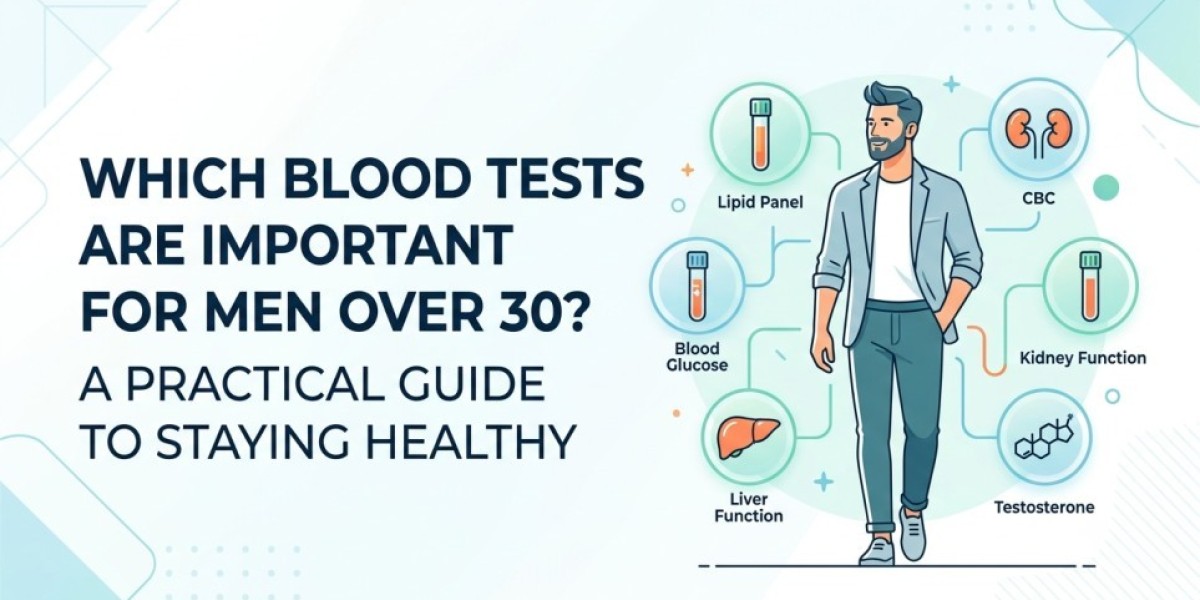

Turning 30 is often seen as a personal milestone. Careers become more demanding, family responsibilities increase, and finding time for health can become difficult. While many men feel perfectly healthy in their thirties, several lifestyle-related conditions such as diabetes, high cholesterol, fatty liver disease, and high blood pressure can begin developing silently without noticeable symptoms. Preventive health screening helps identify these problems before they become serious.
One of the easiest ways to understand your overall health is through routine blood tests. These tests provide valuable information about how your organs are functioning, whether you're at risk of chronic diseases, and whether you have nutritional deficiencies that could affect your energy and well-being.
Why Should Men Over 30 Get Regular Blood Tests?
Many health conditions do not cause symptoms in their early stages. A person may feel completely normal while cholesterol levels continue to rise or blood sugar slowly moves toward diabetes.
Regular blood tests help to:
- Detect health problems before symptoms appear
- Monitor the effects of diet and lifestyle
- Identify nutritional deficiencies
- Evaluate organ function
- Reduce the risk of long-term complications through early treatment
Health experts increasingly recommend establishing a baseline health profile in your thirties, especially if you have a family history of heart disease, diabetes, thyroid disorders, or high blood pressure.
Essential Blood Tests Every Man Over 30 Should Consider
1. Complete Blood Count (CBC)
A Complete Blood Count (CBC) is one of the most commonly recommended blood tests.
It evaluates:
- Red blood cells
- White blood cells
- Hemoglobin
- Platelets
A CBC can help detect anemia, infections, inflammation, and certain blood disorders. Even if you feel healthy, this test provides a useful overview of your general health.
2. Blood Sugar Tests (Fasting Blood Sugar and HbA1c)
Diabetes is becoming increasingly common among younger adults, particularly due to sedentary lifestyles and unhealthy eating habits.
Important tests include:
- Fasting Blood Sugar (FBS)
- HbA1c (Average blood sugar over the last 2–3 months)
These tests can identify prediabetes before it progresses into Type 2 diabetes, allowing lifestyle changes to reverse the condition in many cases.
3. Lipid Profile
Heart disease remains one of the leading causes of death among men.
A Lipid Profile measures:
- Total cholesterol
- LDL ("bad") cholesterol
- HDL ("good") cholesterol
- Triglycerides
High cholesterol often develops without symptoms, making routine screening particularly important after the age of 30.
4. Liver Function Test (LFT)
Modern lifestyles can place considerable stress on the liver.
Poor eating habits, alcohol consumption, obesity, and fatty liver disease may affect liver function long before symptoms develop.
A Liver Function Test helps assess:
- Liver enzymes
- Bilirubin
- Protein production
- Overall liver health
5. Kidney Function Test (KFT)
Healthy kidneys remove waste products from the body and maintain fluid balance.
A Kidney Function Test evaluates:
- Creatinine
- Blood Urea Nitrogen (BUN)
- Estimated kidney function
- Electrolyte balance
Early kidney disease often has no warning signs, making routine screening valuable.
6. Thyroid Function Test
Although thyroid disorders are often associated with women, men can also experience thyroid problems.
An abnormal thyroid can contribute to:
- Constant fatigue
- Weight changes
- Depression
- Hair thinning
- Poor concentration
A Thyroid Profile helps determine whether your thyroid gland is functioning normally.
7. Vitamin D Test
Vitamin D deficiency has become extremely common, especially among people who spend most of their day indoors.
Low Vitamin D levels may contribute to:
- Bone pain
- Muscle weakness
- Low immunity
- Fatigue
Correcting deficiencies can significantly improve overall health.
8. Vitamin B12 Test
Vitamin B12 plays an important role in nerve function and red blood cell production.
Deficiency may lead to:
- Weakness
- Tingling sensations
- Poor memory
- Difficulty concentrating
- Fatigue
Vegetarians and people with digestive disorders are at greater risk.
9. Uric Acid Test
If you frequently experience joint pain or have a family history of gout, checking your uric acid level may be beneficial.
Elevated uric acid levels increase the risk of:
- Gout
- Kidney stones
Dietary modifications can often help manage high levels.
10. Testosterone Test (When Recommended)
Not every man requires routine testosterone screening.
However, your healthcare provider may recommend it if you experience:
- Reduced sex drive
- Persistent fatigue
- Low muscle strength
- Erectile dysfunction
- Mood changes
Testing should be guided by symptoms rather than performed routinely.
Additional Tests Based on Individual Risk Factors
Depending on your personal and family history, your doctor may also recommend:
- High-sensitivity C-reactive Protein (hs-CRP)
- Prostate-Specific Antigen (PSA) (usually recommended later or based on individual risk)
- Hepatitis B and Hepatitis C screening
- Iron studies
- Lipoprotein(a) for inherited cardiovascular risk
These tests are usually suggested based on age, symptoms, lifestyle, or medical history rather than for everyone.
How Often Should Men Get Blood Tests?
For most healthy men over 30:
- A basic preventive health checkup every year is generally sufficient.
- Individuals with diabetes, obesity, hypertension, smoking history, or a strong family history of chronic disease may require more frequent monitoring as advised by their physician.
Regular testing also allows doctors to compare current results with previous reports, making it easier to detect gradual changes over time.
Healthy Habits That Work Alongside Blood Tests
Blood tests are only one part of preventive healthcare. Maintaining healthy daily habits can significantly reduce your risk of chronic disease.
Focus on:
- Eating a balanced diet rich in fruits, vegetables, and lean protein
- Exercising for at least 150 minutes each week
- Sleeping 7–8 hours each night
- Limiting alcohol consumption
- Avoiding tobacco products
- Managing stress effectively
- Maintaining a healthy body weight
Together with regular health screening, these habits can help you stay healthier well into your forties and beyond.
Final Thoughts
Many of the most common diseases affecting men—including diabetes, heart disease, fatty liver disease, and thyroid disorders—often develop silently. The good news is that many of these conditions can be detected early through routine blood tests and managed before they lead to serious complications.
If you're unsure which tests are appropriate for your age and health status, speak with your healthcare provider about a preventive health checkup. Comprehensive health screening packages that combine many of these essential blood tests into a single assessment can also make preventive care more convenient. For those exploring available options, you can learn more about preventive health packages here: Full Body Checkup
Remember, getting tested isn't about expecting illness—it's about understanding your health today so you can protect it for the future.