
Sugarcane is one of India's most valuable commercial crops, supplying raw material for sugar, ethanol, jaggery, and several agro-industries. However, fungal diseases remain one of the biggest reasons for reduced cane weight, poor sugar recovery, and lower farm profits. Choosing the best fungicide for sugarcane is an important step toward protecting crop health and ensuring sustainable production.
Modern farming requires more than simply spraying chemicals after disease appears. Successful farmers combine preventive practices, resistant varieties, proper irrigation, field sanitation, and scientifically selected fungicides to achieve better disease control. Whether you cultivate sugarcane, vegetables, fruits, cereals, or pulses, understanding integrated disease management helps reduce losses while improving crop quality.
This comprehensive guide explains common sugarcane fungal diseases, how fungicides work, how to select the right product, and why integrated disease management is essential for long-term productivity.
Why Do Sugarcane Crops Need Effective Fungicide Protection?
Fungal pathogens thrive under warm temperatures, high humidity, excessive irrigation, and dense crop canopies. Once established, these diseases spread rapidly through spores carried by wind, rain, irrigation water, and infected planting material.
Without timely disease management, farmers may experience:
- Lower germination
- Reduced tillering
- Weak stalk development
- Lower sugar recovery
- Increased lodging
- Reduced market value
- Higher production costs
Using the best fungicide for sugarcane at the correct crop stage significantly reduces disease pressure and helps maintain healthy plant growth.
Common Fungal Diseases in Sugarcane
Several fungal diseases affect sugarcane across different growing regions.
Red Rot
Often called the "cancer of sugarcane," red rot causes internal stalk discoloration, drying, and severe yield reduction.
Symptoms include:
- Yellowing leaves
- Dry top
- Internal red patches
- White cross bands inside stalks
Early identification and preventive fungicide application play a major role in minimizing losses.
Smut Disease
Smut produces long black whip-like structures emerging from the growing point.
Major effects include:
- Poor cane formation
- Reduced tillers
- Weak plant vigor
- Lower sugar content
Healthy seed material and preventive fungicide treatment reduce infection risk.
Rust Disease
Rust appears as reddish-brown pustules on leaves and gradually reduces photosynthesis.
Severe infection results in:
- Premature leaf drying
- Reduced stalk weight
- Lower cane quality
Proper fungicide scheduling helps suppress rust development before it spreads across the field.
Pokkah Boeng
This disease affects young leaves and growing points, causing twisting and distortion.
Good crop monitoring and timely disease management minimize its impact.
What Makes the Best Fungicide for Sugarcane?
Not every fungicide provides the same level of protection. Farmers should consider several factors before selecting one.
Broad-Spectrum Activity
Broad-spectrum fungicides control multiple fungal pathogens rather than a single disease.
Preventive and Curative Action
An ideal fungicide should both prevent new infections and suppress existing fungal growth.
Systemic Movement
A systemic fungicide for crops moves inside plant tissues, protecting new growth and providing longer-lasting control.
Rainfast Performance
Products that remain effective after rainfall reduce the need for repeated spraying.
Crop Safety
The selected fungicide should protect crops without causing phytotoxicity when applied according to label recommendations.
Understanding Contact and Systemic Fungicides
Many farmers wonder whether they should use contact or systemic fungicides.
Contact Fungicides
These remain on the plant surface and prevent fungal spores from germinating.
Advantages include:
- Preventive protection
- Multi-site action
- Reduced resistance development
Systemic Fungicides
Systemic fungicides enter plant tissues and travel internally.
Benefits include:
- Curative activity
- Internal disease suppression
- Longer protection
- Better performance during active infections
In many situations, combining contact and systemic modes of action offers more reliable disease control.
Integrated Disease Management Is the Key to Success
The best fungicide works even better when combined with sound farming practices.
Recommended strategies include:
- Disease-free planting material
- Field sanitation
- Balanced fertilization
- Proper irrigation management
- Timely scouting
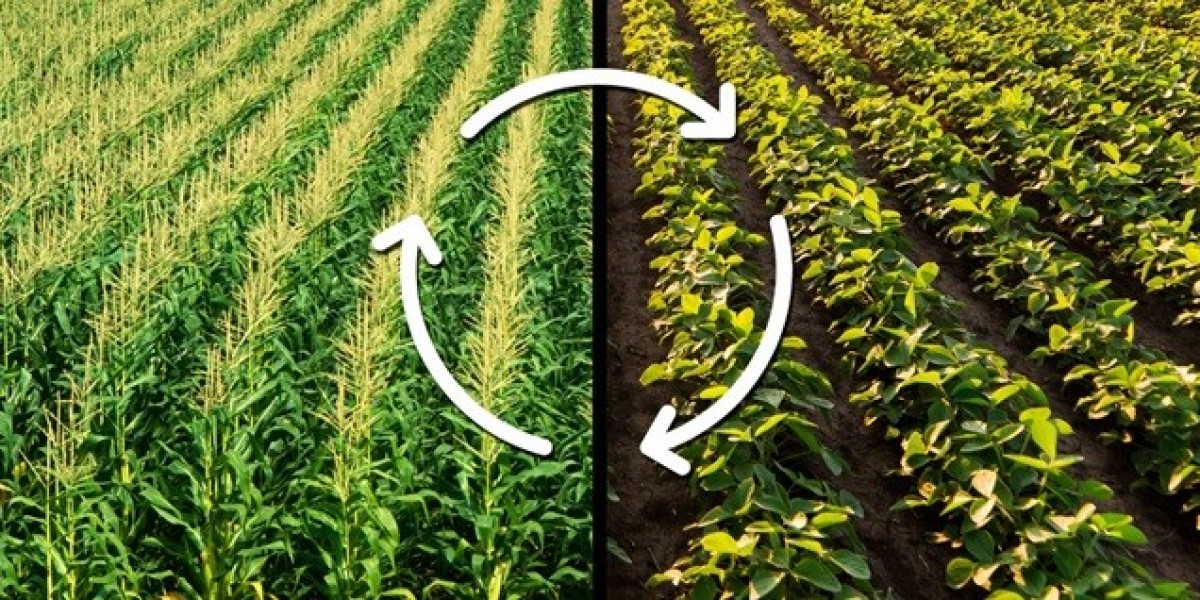
- Crop rotation
- Resistant varieties
- Scientific fungicide rotation
Integrated disease management reduces disease pressure while slowing fungicide resistance.
Disease Management Beyond Sugarcane
Modern fungicides often provide solutions for multiple crops, helping farmers manage different farming operations efficiently.
Fungicide for Groundnut Farming
Groundnut commonly suffers from:
- Tikka leaf spot
- Rust
- Collar rot
- Stem rot
Choosing an effective fungicide for groundnut farming helps protect foliage, improve pod filling, and increase harvest quality. Preventive spraying during favorable disease conditions usually delivers better results than waiting until severe infection develops.
Fungicide for Tomato Farming
Tomato is highly vulnerable to fungal diseases throughout the growing season.
Common diseases include:
- Early blight
- Late blight
- Powdery mildew
- Anthracnose
Selecting the right fungicide for tomato farming helps preserve foliage, improve fruit quality, and reduce yield losses. Regular crop scouting and preventive spraying remain essential for successful tomato production.
Fungicide Spray for Fruits
Fruit crops require continuous disease protection to maintain both quality and market value.
A suitable fungicide spray for fruits helps manage diseases affecting:
- Mango
- Grapes
- Banana
- Citrus
- Apple
- Pomegranate
Disease-free fruits command better prices and reduce post-harvest losses.
Choosing the Right Fungicide for Different Disease Situations
Every disease behaves differently, making crop diagnosis extremely important.
| Disease | Recommended Fungicide Type |
|---|---|
| Rust | Systemic fungicide |
| Smut | Preventive systemic fungicide |
| Red rot | Integrated management with fungicide support |
| Downy mildew | Contact + systemic combination |
| Powdery mildew | Systemic fungicide |
| Anthracnose | Broad-spectrum fungicide |
| Leaf spot | Contact and systemic combination |
Correct disease identification always improves fungicide selection.
Gramiti Fungicide Solutions for Modern Farming
Farmers looking for reliable crop protection solutions can explore the fungicide range available through Gramiti – A Trusted Place for Farmers.
Depending on crop requirements and disease pressure, available solutions include:
JU AZOLE
A combination of Azoxystrobin 18.2% + Difenoconazole 11.4% SC offering systemic protection against multiple fungal diseases in crops including tomato, onion, sugarcane, wheat, cotton, chilli, turmeric, and paddy. It provides preventive and curative activity while supporting healthier foliage and improved crop quality.
JU-MASAAL
Combining Mancozeb 63% WP with Carbendazim 12% WP, this formulation delivers both contact and systemic protection. It is suitable for managing several fungal diseases across sugarcane, groundnut, potato, chilli, grape, soybean, cotton, maize, mango, pea, and paddy.
These products should always be used according to the approved label recommendations and crop-specific dosage instructions.
Farmers can explore crop protection solutions from Gramiti.
Practical Tips to Reduce Sugarcane Fungal Diseases
Successful disease management begins long before symptoms appear.
Follow these practices:
- Select healthy seed cane.
- Avoid waterlogging.
- Maintain recommended plant spacing.
- Remove infected plant debris.
- Monitor fields every week.
- Apply fungicides before severe infection develops.
- Rotate fungicide groups to delay resistance.
- Maintain balanced nitrogen, phosphorus, and potassium nutrition.
- Improve field drainage.
- Keep weeds under control to reduce disease-friendly environments.
Why Preventive Disease Management Is Better Than Curative Treatment
Waiting until disease becomes severe often results in irreversible yield loss.
Preventive crop protection offers several advantages:
- Lower disease incidence
- Better crop vigor
- Reduced spray frequency
- Improved harvest quality
- Higher profitability
- Better sugar recovery
- Sustainable disease management
Prevention is almost always more economical than treating advanced infections.
Frequently Asked Questions
1. Which is the best fungicide for sugarcane?
The best fungicide depends on the disease involved. Broad-spectrum systemic fungicides combined with integrated disease management generally provide reliable protection against common fungal diseases like rust, smut, and red rot.
2. Can one fungicide control multiple fungal diseases?
Yes. Many modern broad-spectrum fungicides are designed to manage several fungal diseases across different crop stages, though product selection should match the target disease and crop.
3. When should fungicides be sprayed in sugarcane?
Preventive applications before heavy disease development generally provide better control than waiting until severe infection appears. Always follow crop stage recommendations and label directions.
4. Is integrated disease management better than fungicide alone?
Yes. Combining cultural practices, resistant varieties, proper irrigation, field sanitation, and fungicides provides more sustainable disease management while reducing resistance risks.
5. Can fungicides be used in multiple crops?
Many fungicides are registered for several crops including sugarcane, tomato, groundnut, paddy, onion, fruits, cotton, and vegetables. Always verify the approved crop label before application.
Conclusion
Protecting sugarcane from fungal diseases requires more than reacting to visible symptoms. The most successful farmers adopt preventive disease management, monitor crops regularly, and select scientifically proven fungicides based on crop stage and disease pressure. Along with choosing the best fungicide for sugarcane, integrating proper field management, balanced nutrition, and timely applications creates healthier crops, higher yields, and better profitability. Similar principles also apply when selecting a fungicide for groundnut farming, fungicide for tomato farming, or an effective fungicide spray for fruits, making integrated crop protection an essential part of modern agriculture.
Call to Action
Looking for dependable crop protection solutions for sugarcane, vegetables, fruits, cereals, and other field crops? Explore Gramiti's range of fungicides, herbicides, insecticides, crop protection, and crop nutrition products designed to support healthier farming practices.
Gramiti – A Trusted Place for Farmers
Website: https://gramiti.com
Address: 7th Floor, Express Trade Tower II, B-36, Sector 132, Noida, Gautam Buddha Nagar, Uttar Pradesh – 201301
Phone: 993-997-9905
Email: customercare@gramiti.com