
A wholesaler in Ohio once told us he'd switched suppliers four times in three years. Not because the funeral urns looked wrong in photos — they never do — but because what arrived didn't match what was quoted. Lid tolerances off by a millimeter. Brass that tarnished within six months. A finish that photographed beautifully and chipped in transit.
That's the real story of this category. It isn't glamorous. It's a supply chain built on trust, and trust gets tested every time a container opens.
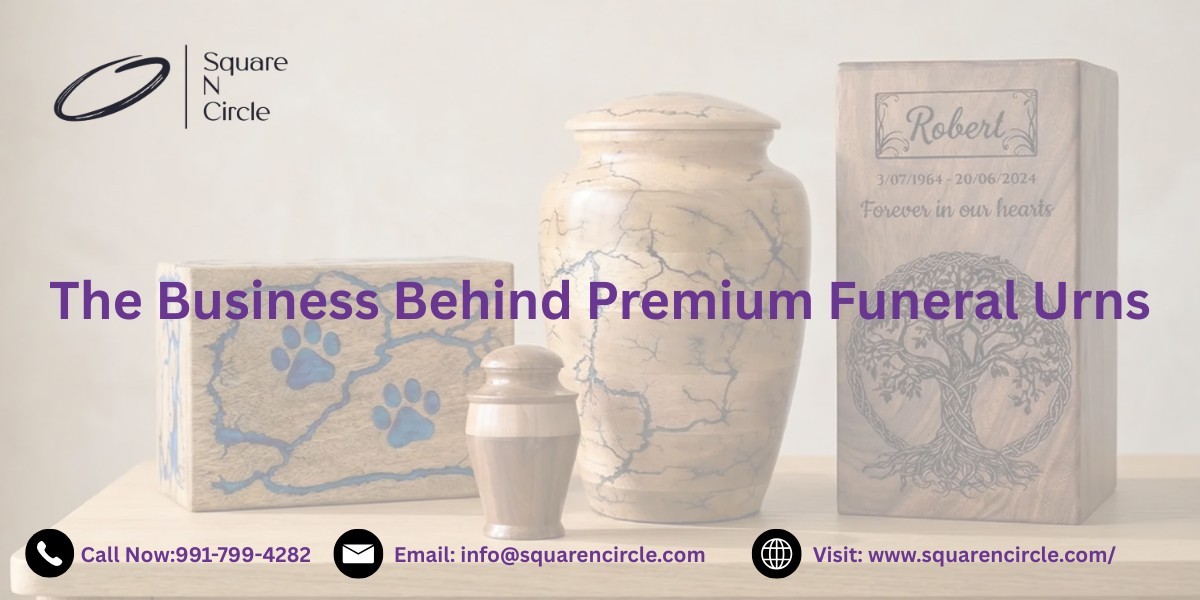
Funeral urns sit in an odd corner of B2B sourcing. They're manufactured products, priced and shipped like any other commodity, but they carry weight most SKUs never will. Get the sourcing wrong and you're not just eating a margin loss — you're explaining to a grieving family why their order is delayed. That's why funeral urns manufacturers who actually understand this category are harder to find than the directory listings suggest.
What Actually Goes Into a Funeral Urn
Most buyers evaluate urns the way they'd evaluate any decor item — by finish and photograph. That's a mistake. Specification matters more here than in almost any other handcrafted category.
Materials That Hold Up
Solid hardwood urns — teak, rosewood, mango wood — remain the top request from Western wholesalers, largely because they age well and take engraving cleanly. Brass urns, cast rather than stamped, hold detail better and resist dents during freight handling. Aluminum has grown in demand too, mostly for buyers who need lighter shipping weight without dropping to plastic.
The Spec Detail Most Buyers Skip
Capacity. Adult urns need to hold roughly 200 cubic inches — the accepted industry benchmark of one cubic inch per pound of body weight. Buyers who skip this check, and simply reorder based on observed dimensions, end up with returns from funeral homes whose clients don't fit the vessel. It's a five-minute conversation with your supplier that most people never have.
Five Questions That Expose a Bad Funeral Urn Supplier
Anyone can claim quality. Here's what actually separates a real manufacturer from a trading company wearing a manufacturer's website.
Can you show me the wood sourcing? A bad answer is vague — "we use quality hardwood." A real supplier names the species and the seasoning process.
What's your defect tolerance in writing? A supplier who says "we'll handle defects case by case" doesn't have a policy. That's a negotiation you'll lose after the shipment lands.
Can I get a sample before committing to MOQ? If the answer is no, or comes with a steep non-refundable sample fee that isn't credited against a future order, walk away.
What happens if my design isn't structurally feasible? A bad supplier says yes to everything up front and discovers problems mid-production. A good one flags issues at the quotation stage.
What's your actual production lead time — not the marketing number? Ask for the range, not the average. Anyone quoting a single flat number for every order is rounding in their own favor.
What You're Actually Buying When You Choose the Right Manufacturer
Price comparisons miss the point. The real question for funeral urns distributors is what risk you're removing from your own business.
Fewer returns. Correct capacity specs and dimensional accuracy mean funeral homes aren't sending product back.
Protected margins. Working with genuine funeral urns manufacturers in India rather than a reseller cuts out a markup layer without sacrificing quality control.
Faster reorders. A supplier with documented tooling and repeatable finishes can turn a repeat order around without re-approving samples each time.
Brand protection. Private labeling and consistent packaging keep your name associated with reliability, not variance.
Fewer customs headaches. Suppliers who've actually shipped internationally know the difference between EXW, FOB, and DDP — and won't leave you guessing at the border.
Design flexibility without the factory minimums. Low-MOQ development lets smaller wholesalers test new lines before committing to bulk.
Why Nagina, India Is Where Serious Buyers Source From
Location isn't trivia here — it's a supply chain decision. Nagina (Bijnor district, UP), has been the production site of wooden craftsmen on the same concept long before it started producing remembrance objects. That is important because the skills required for urn making were the same joinery, finishing and hardware-integration that had been used to furniture and drapery hardware for decades.
The better part: funeral urns suppliers in India in this belt benefit from artisan density newer manufacturing hubs cannot (yet) leverage. It also means availability of seasoned hardwood in a scale that preserves price competitiveness and avoids forcing buyers to greener, more volatile timber. True deal-breaker: this belt is not a port city so inland freight to Delhi or Mumbai adds a leg to shipping timelines.
From Drapery Hardware to Memorial Manufacturing: Our Story
We started in 2008 as a small family workshop making drapery hardware and wood components — not urns. That early discipline in tolerance work, hardware fitting, and finishing is exactly what let us expand into cremation urns in 2022, once we'd tested the category properly rather than jumping in on demand alone.
Since then we've produced more than 27,000 units and now ship to buyers across six-plus countries. We stopped offering a certain gloss lacquer finish in 2023 after two importers reported hairline cracking in cold-climate storage. We reformulated the coating rather than keep selling what we knew would fail somewhere down the line. That's what nearly two decades of manufacturing feedback looks like — you don't just take the order, you own what happens after it ships.
Our facility handles everything from 3D mockup approval through pre-shipment inspection, and we're upfront when a design isn't feasible instead of promising it anyway. You can see the full range of our cremation urns manufacturing capabilities and current material options directly.
Send Us Your Specs — Here's What Happens Next
We respond to serious enquiries within 24 hours. Send us your target price point, expected order volume, and any reference designs or photos you're working from. If you're testing a new line, ask about our low-MOQ development track before committing to full production numbers. Bulk orders typically run a 7–9 week production cycle once samples are approved — plan your inventory calendar around that, not around wishful thinking.
The Bottom Line for Wholesale Buyers
Sourcing funeral urns isn't a category where you can afford to guess. The suppliers worth working with will show you their material sourcing, admit where lead times get tight, and tell you no when a design won't hold up — before you've paid for it. That honesty costs you a little convenience up front. It saves you a returned container later.
Funeral Urns: Questions Procurement Teams Actually Ask
What's a realistic MOQ for a first order with a new supplier?
It varies by material — wooden urns generally start lower than cast brass, since brass tooling costs more to set up. Ask for the low-MOQ development option if you're testing a design before committing to volume; not every supplier offers it, and that's worth confirming before you sign anything.
How long does a bulk order actually take from PO to shipment?
Budget 7 to 9 weeks after sample approval, not from the date you place the order. That gap trips up a lot of first-time buyers who count the sample-approval weeks as "free" time.
Are wooden urns or metal urns better for international shipping?
Wood generally ships with fewer damage claims because it flexes slightly under pressure; brass dents more easily if packaging isn't reinforced. Aluminum splits the difference — lighter freight cost, decent durability, but it scratches more visibly than brass in transit.
Can funeral urns distributors get private-label packaging?
Yes, most manufacturers offer it, but confirm minimum order thresholds for custom packaging separately from product MOQ — they're not always the same number, and that catches buyers off guard.
What certifications should I actually check for, versus what's marketing noise?
An IEC (Import Export Code) and proper export documentation matter more day-to-day than broad quality badges. Ask to see the paperwork, not just a logo on the website.