
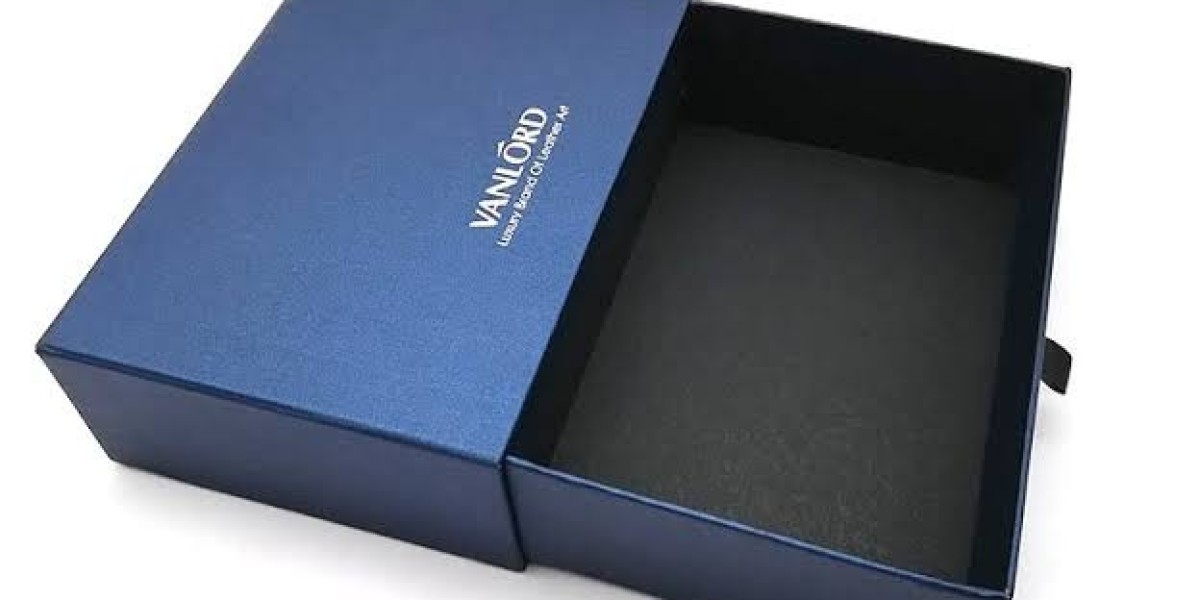

I remember the first time a client looked at a sample box on my desk and asked, “Why does this have such sharp corners? Won’t that cut someone?” It’s actually a good question, and people ask it more than you might think. Most people think box edges are just about looks, but there’s real thinking behind those sharp corners on rigid boxes.
So why do rigid boxes have sharp edges instead of soft, round ones? The answer has to do with strength, careful building, and how the box looks. In this article, we’ll explain why sharp edges are so common on rigid boxes, what they’re good for, and when rounded edges might actually work better.
What Makes Rigid Boxes Have Sharp Edges?
Rigid boxes are built in a different way than regular cardboard boxes. Instead of folding one flat piece of cardboard, rigid boxes are made by wrapping thick paperboard around a solid shape, then covering it with a nice-looking outer paper. This way of building the box creates clean, sharp corners instead of soft, round ones.
Because the thick board doesn’t bend or squish easily as thin cardboard does, the edges stay sharp and neat. That’s why rigid boxes often have that clean, sharp-corner look that makes them feel high-quality.
Read Also: Why is custom packaging important?
The Real Reasons for Sharp Edges
1. They Make the Box Stronger
Sharp corners aren’t just about looks. A sharp corner actually spreads out the weight and pressure more evenly along the edge of the box. Round corners can sometimes become weak spots, especially if boxes are stacked on top of each other. For rigid boxes, sharp edges help the box stay strong during shipping and storage.
2. They Come From Careful Building
Making rigid boxes takes very careful work. The paperboard is cut, folded, and wrapped with a lot of precision so every corner lines up just right. This careful process naturally creates sharp edges. Making round corners instead would take extra steps that aren’t normally part of building a rigid box.
3. They Look Fancy and Neat
Sharp edges give boxes a clean, neat shape that many people connect with fancy or expensive products. Think about boxes for watches, jewelry, or nice gift sets — sharp corners give them a neat, put-together look that round corners don’t match.
4. They Stack Better
Boxes with sharp edges fit together more closely when they’re stacked or placed side by side on a shelf. Round corners can leave small gaps between boxes, which wastes space and doesn’t look as neat. For store shelves, sharp edges help create that tidy, lined-up look brands want.
5. They Look Better With Designs and Logos
Sharp corners give a smooth, flat space for shiny foil designs, stamped patterns, and printed logos to wrap around the box evenly. Round edges can sometimes cause these designs to look a little stretched or uneven at the curve. That’s why sharp edges work better for detailed branding.
Are Sharp Edges Ever a Problem?
Even though sharp edges have real benefits, they aren’t always the best choice for every product. Here are times when rounded edges might work better:
Boxes people touch a lot: Things like reusable gift boxes that get opened and closed often might feel nicer with slightly rounded corners.
Kids’ products: Toy packaging sometimes uses rounded edges just to be extra safe, even if the sharp corners aren’t really dangerous.
Boxes shipped without extra packaging: If a rigid box is mailed without an outer box around it, sharp corners can get small dents more easily during shipping.
For most stores, online shopping, and gift boxes, though, sharp edges are still the normal choice because the good points outweigh these small issues.
Can Rigid Boxes Have Round Edges Instead?
Yes! Rigid boxes can be made with round or softer corners, but it takes extra steps to build them that way, which usually costs more. Some brands choose a mix, keeping sharp edges on most of the box but rounding just the edge people touch the most, like the top of the lid.
If your product really needs rounded corners, it’s a good idea to talk to your packaging company early, since it changes how the box is built and how long it takes to make.
How to Decide What’s Best for Your Brand
When choosing between sharp and round edges for rigid boxes, think about:
How often people will touch the box: Boxes used a lot every day might do better with rounded edges.
Your brand's style: Sharp, neat corners fit modern and fancy branding well.
Shelf space: Sharp edges help boxes fit closely together on shelves.
Safety: Products made for kids might need rounded corners, no matter what looks best.
Cost and time: Rounded corners cost more and take longer to make than standard sharp corners.
Summary
So, why do rigid boxes have sharp edges? It comes down to careful building, strength, and a fancy look. Sharp corners aren’t just a style choice they naturally happen because of how rigid boxes are made, and they come with real benefits for strength, branding, and shelf space. That said, sharp edges aren’t the only option. Depending on your product and how people use it, rounded corners might be worth thinking about, too.







