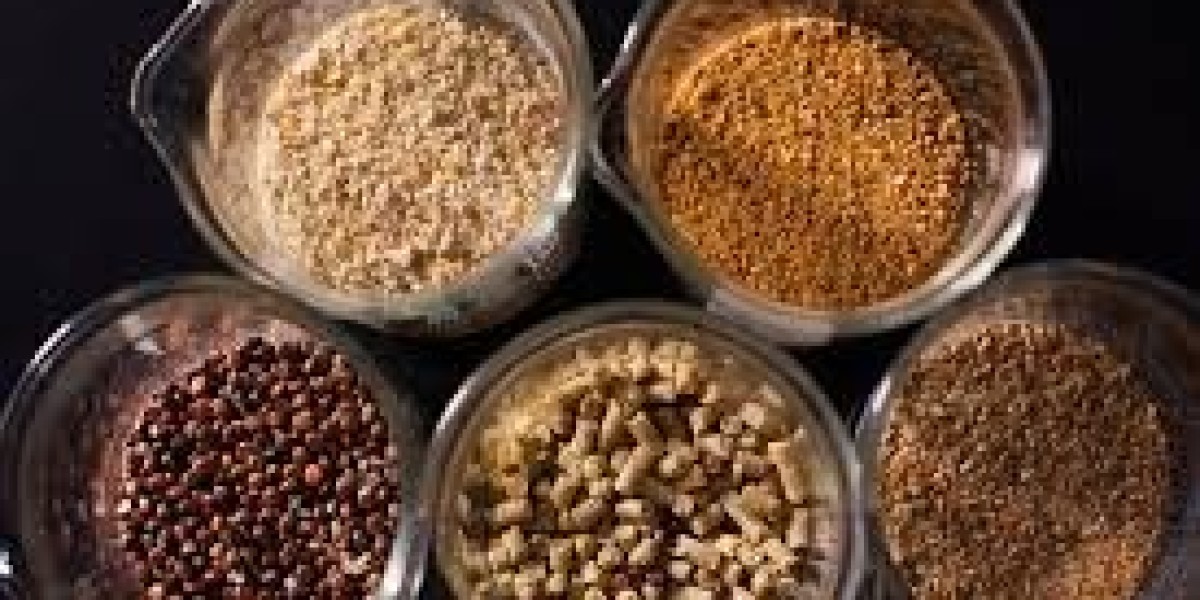

When entrepreneurs develop a new food product, they often focus intensely on flavor, nutrition, and aesthetics. Yet one of the most critical factors determining success—and protecting consumer safety—is rarely discussed until it's too late: shelf-life stability. Shelf-life testing should be integral to every food recipe development process, not an afterthought conducted just before launch.
What is Shelf-Life Testing?
Shelf-life testing evaluates how a food product changes over time under various storage conditions. It assesses microbial growth, physical changes, chemical degradation, nutritional loss, sensory quality, and safety. A product that tastes great on day one but turns rancid in month three is not viable, no matter how innovative it is.
Microbiological Safety is Paramount
The most critical aspect of shelf-life testing is ensuring your product remains microbiologically safe throughout its intended lifespan. Pathogens like Listeria, E. coli, and Salmonella can grow silently without visible signs, putting consumers at serious risk.
Professional shelf-life testing includes microbiological analysis at specified intervals, identifying whether your product supports dangerous bacterial growth under real-world storage conditions. For foods with significant risk factors—ready-to-eat items, low-acid foods, or products with minimal preservatives—this testing is essential for both legal compliance and ethical responsibility.
Preventing Sensory Degradation
Consumers expect products to maintain quality from purchase to consumption. Fats and oils oxidize, creating rancid flavors. Pigments degrade, causing color changes. Flavors fade or develop off-notes. Textures change through moisture loss or absorption.
Systematic shelf-life testing identifies these degradation pathways early, allowing reformulation before production begins. Understanding how long your product maintains its intended sensory qualities directly impacts acceptable shelf-life duration and pricing strategy.
Nutritional Integrity Assessment
Products making nutritional claims—fortified foods, vitamin supplements, protein products—must maintain their nutritional integrity throughout shelf life. Vitamins degrade, especially when exposed to light, heat, or oxygen. Amino acids can change, minerals can oxidize.
Testing ensures that nutritional claims remain valid at the end of shelf life. If you claim a product contains 20 grams of protein, that claim must be substantiated by testing showing protein levels don't fall below acceptable ranges during shelf life.
Identifying Optimal Packaging Solutions
Shelf-life testing reveals how different packaging materials affect product preservation. Does your product need opaque packaging to prevent light degradation? Does it require oxygen barriers? Is moisture barrier protection critical?
Testing multiple packaging options during development allows you to select materials that protect your product adequately while optimizing cost. Sometimes a slightly more expensive package that extends shelf life significantly improves overall product economics.
Temperature and Environmental Stress Testing
Real products face variable conditions—they might spend days in a hot warehouse, weeks in a cool store, or months in a consumer's pantry. Accelerated shelf-life testing simulates these conditions, using elevated temperatures to compress months of aging into weeks.
This approach identifies potential problems before they occur in the field. Products that might seem stable at room temperature sometimes fail dramatically when exposed to temperature cycling or specific humidity levels.
Regulatory Compliance Requirements
Most jurisdictions require food manufacturers to establish scientifically justified expiration dates. "Best by" or "use by" dates cannot be arbitrary guesses—they must be supported by actual shelf-life data. Retailers and regulators increasingly scrutinize inadequately justified shelf-life claims.
Testing creates the documentation necessary for regulatory compliance and protects your company from liability if product quality issues arise.
Cost Optimization Through Testing
Shelf-life testing might seem expensive initially, but it ultimately saves money. Understanding your product's true shelf-life prevents over-conservative dating (which increases waste) and under-conservative dating (which risks safety issues and brand damage).
Testing also identifies cost-reduction opportunities—perhaps you don't need expensive preservatives, or specific packaging upgrades could extend shelf-life enough to improve margins.
Building Consumer Trust
When consumers purchase your product, they're making a trust-based decision. A product that disappoints through quality degradation destroys brand loyalty and generates negative reviews. Systematic shelf-life testing ensures every consumer has a positive experience, regardless of when or where they purchase your product.
Conclusion
Shelf-life testing isn't an optional quality control measure—it's a foundational element of product development. Integrating testing early in recipe development prevents costly reformulations, ensures regulatory compliance, maintains nutritional integrity, and protects consumer safety. The investment in proper shelf-life testing pays dividends through market success and brand reputation.
If you need help to improve the shelf life of your food product, you can rely on Food Scientist For Hire. For more information, visit the site.