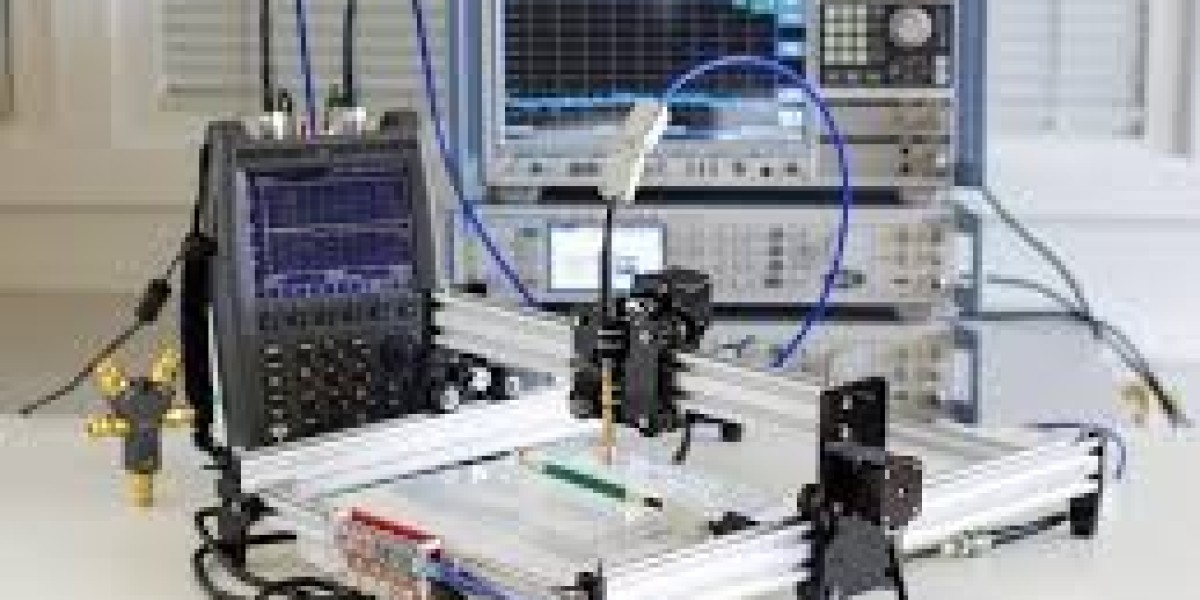

Product safety testing is a critical process used to ensure that consumer and industrial products are safe to use, comply with regulations, and perform reliably under expected conditions. From household appliances and electronics to medical devices and automotive components, safety testing helps prevent hazards such as electric shock, fire, chemical exposure, mechanical failure, and environmental risks.
In today’s global marketplace, where products are sold across multiple countries, product safety testing is not just a quality measure—it is a legal and regulatory requirement.
What Is Product Safety Testing?
Product safety testing is the evaluation of a product against defined safety standards to verify that it does not pose unacceptable risks to users, property, or the environment.
It typically involves:
- Physical testing (durability, strength, stability)
- Electrical safety testing (shock, insulation, grounding)
- Chemical safety testing (toxic substances, emissions)
- Thermal testing (heat resistance, fire safety)
- Mechanical safety testing (moving parts, impact resistance)
- Environmental testing (humidity, temperature, vibration)
The goal is simple: ensure that the product can be used safely under normal and foreseeable misuse conditions.
Why Product Safety Testing Is Important
1. Protecting Consumers
The primary purpose of safety testing is to protect users from harm. Faulty products can cause injuries, fires, or long-term health issues.
2. Regulatory Compliance
Most countries require compliance with strict safety regulations before products can be sold. Without proper testing, products may be banned or recalled.
3. Reducing Liability Risks
Manufacturers can face lawsuits, fines, and reputational damage if unsafe products reach the market.
4. Improving Product Quality
Safety testing often reveals design flaws early, allowing manufacturers to improve durability and performance.
5. Market Access
Certification marks are often required for entry into international markets such as the US, EU, or UK.
Key International Safety Standards
Different regions follow different regulatory frameworks, but many are based on international standards.
ISO Standards
The International Organization for Standardization develops widely accepted safety and quality frameworks used across industries. ISO standards cover everything from manufacturing processes to product-specific safety requirements.
IEC Standards
The International Electrotechnical Commission focuses specifically on electrical, electronic, and related technologies. IEC standards are essential for testing appliances, batteries, and electronic devices.
UL Standards
Underwriters Laboratories is one of the most recognized safety certification bodies in North America. UL testing ensures products meet strict electrical and fire safety requirements.
FCC Regulations
In the United States, the Federal Communications Commission ensures that electronic devices comply with electromagnetic interference (EMI) and radio frequency (RF) emission limits.
Major Types of Product Safety Testing
1. Electrical Safety Testing
Used for devices powered by electricity, this includes:
- Insulation resistance testing
- Earth continuity testing
- Leakage current measurement
- Dielectric strength testing
This ensures that users are protected from electric shock or fire hazards.
2. Mechanical Safety Testing
Mechanical testing evaluates whether a product can withstand physical stress. It includes:
- Drop tests
- Impact resistance tests
- Vibration testing
- Load-bearing tests
This is especially important for tools, toys, and automotive parts.
3. Chemical Safety Testing
This testing identifies harmful substances such as:
- Lead and heavy metals
- Phthalates
- Toxic coatings or finishes
It is crucial for children’s toys, electronics, and food-contact materials.
4. Thermal and Fire Safety Testing
Products are tested for:
- Heat resistance
- Flame retardancy
- Overheating behavior
- Thermal cycling durability
This is essential for appliances, batteries, and electronic devices.
5. EMC and EMI Testing
Electromagnetic compatibility (EMC) and interference (EMI) testing ensures that devices do not:
- Interfere with other electronics
- Malfunction due to external signals
- Violate communication regulations
This is particularly important for smartphones, routers, and medical devices.
The Product Safety Testing Process
Step 1: Requirement Analysis
Engineers determine which regulations and standards apply based on product type and target market.
Step 2: Test Planning
A detailed testing plan is created, including test methods, equipment, and acceptance criteria.
Step 3: Laboratory Testing
Samples are tested in certified laboratories under controlled conditions.
Step 4: Evaluation and Reporting
Test results are analyzed, and detailed reports are generated.
Step 5: Certification
If the product passes, it may receive certification marks such as CE, UL, or FCC approval.
Certification and Compliance Marks
Certification marks indicate that a product has been independently tested and meets safety standards.
Common marks include:
- CE marking (European market compliance)
- UL certification (North American safety approval)
- FCC certification (US electronic compliance)
- ISO compliance (global quality standards)
These marks build trust and are often required for retail distribution.
Challenges in Product Safety Testing
Rapid Technological Change
New technologies like IoT devices and AI hardware often evolve faster than standards can adapt.
Global Compliance Complexity
Different countries have different regulations, making global certification complex and expensive.
Counterfeit Certifications
Some products falsely claim compliance, making enforcement difficult.
Cost and Time
Comprehensive testing can be expensive and delay product launches.
The Future of Product Safety Testing
The future is moving toward:
- Automated testing systems using AI and robotics
- Real-time safety monitoring using smart sensors
- Harmonization of global standards
- Faster certification processes through digital reporting
- Greater focus on cybersecurity in connected devices
As products become smarter and more interconnected, safety testing will expand beyond physical safety to include data protection and digital integrity.
Conclusion
Product safety testing is an essential part of modern manufacturing and global trade. It ensures that products are safe, reliable, and compliant with international regulations. By following strict standards set by organizations such as ISO, IEC, UL, and FCC, manufacturers can protect consumers, reduce risk, and improve product quality.
In an increasingly complex technological world, product safety testing is not just a regulatory step—it is a foundation of trust between manufacturers and users.