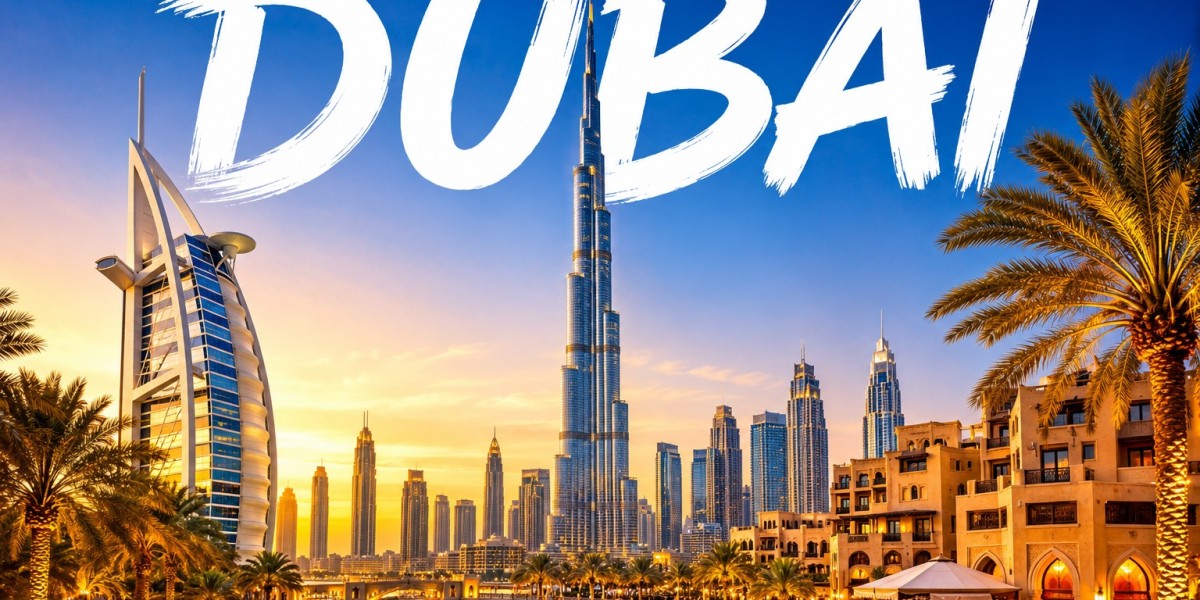

Dubai is one of those cities that earns its reputation without trying to explain it. You arrive expecting something extravagant and the city delivers exactly that — and then surprises you further by being warmer, more layered, and more genuinely interesting than the superlatives suggested. The tallest building on Earth. The largest mall. The man-made islands. The gold souk. The desert an hour from the airport. The spice markets that smell like another century. All of it coexisting in a city that has been, in the span of a single human lifetime, transformed from a fishing village into one of the most visited destinations on the planet.
At TripLodgeUniverse, we have helped thousands of travellers plan their Dubai trips — from first-timers overwhelmed by the options to repeat visitors looking to go deeper into the city beyond the obvious landmarks. In 2026, Dubai is more accessible, more affordable in strategic ways, and more worth visiting than ever before. This is our complete guide to everything you need to know before you go.
Visa Requirements — Who Can Enter and How
For Indian passport holders, Dubai offers one of the most straightforward visa processes of any international destination. Indians can obtain a UAE visit visa on arrival or through an online application via the ICA UAE website or through Emirates airline when booking flights. The standard tourist visa is valid for 30 days and can be extended once for another 30 days if needed.
The visa fee for a 30-day tourist visa is approximately AED 250 to AED 300 — roughly ₹5,600 to ₹6,700 at current exchange rates. Processing is typically completed within 24 to 72 hours online. Many travellers who book through Emirates or flydubai find the visa process included or streamlined through the airline booking portal, which is the most convenient option for most Indian travellers.
Citizens of many Western countries including the UK, USA, EU nations, Australia, and Canada receive visa on arrival in Dubai for 30 days at no charge. Always verify current visa rules before travel as policies update regularly.
Best Time to Visit Dubai in 2026
Dubai's climate is the single most important factor in planning when to visit. The city sits in a desert environment and temperatures in summer — May through September — regularly exceed 40 degrees Celsius with high humidity. Outdoor activities, sightseeing, and walking between locations become genuinely difficult and sometimes dangerous during these months.
The ideal travel window is October through April. During these months, temperatures range from a comfortable 18 to 30 degrees Celsius, the sky is typically clear, and the full range of Dubai's outdoor experiences — the desert safari, the creek area, the beach, the open-air markets — become enjoyable rather than punishing.
December and January are peak season. The Dubai Shopping Festival typically runs from mid-December into January, bringing deals, entertainment, and large crowds. Prices for flights and hotels during this window are at their highest. February and March are TripLodgeUniverse's recommended sweet spot — excellent weather, manageable crowds, and prices noticeably below the December peak.
If your budget is flexible and your tolerance for heat is high, the summer months offer significantly lower hotel rates and flight prices, with the advantage of indoor Dubai — the malls, the restaurants, the museums, the aquarium — remaining fully accessible and air-conditioned throughout.
Top Attractions in Dubai — What You Must See
The Burj Khalifa needs no introduction but deserves a considered approach. The world's tallest building at 828 metres offers observation decks at level 124, level 148, and the exclusive At the Top Sky experience at level 148 and 150. Book tickets well in advance online — the At the Top experience sells out days ahead during peak season — and time your visit for either sunrise or the hour before sunset to see the city in its most photogenic light. Evening visits offer the Dubai Fountain show from the observation deck, which is one of the most visually spectacular urban displays anywhere in the world.
The Dubai Creek and Al Fahidi Historical Neighbourhood represent a completely different dimension of the city that most first-time visitors underestimate. The historic creek area, the gold souk, and the spice souk on the Deira side are authentic, atmospheric, and completely different in character from the glass-and-steel modernity of Downtown Dubai. Cross the creek on an abra — the traditional wooden boat that has served this waterway for centuries — for AED 1. It is the best AED 1 you will spend in the city.
The Dubai Mall is more than a shopping centre — it is an attraction in itself. Beyond the 1,200 stores, it contains the Dubai Aquarium and Underwater Zoo, an Olympic-sized ice rink, the Dubai Fountain viewing area, a VR park, and a cineplex. Plan at least half a day here even if shopping is not your primary interest.
Jumeirah Beach and the Palm Jumeirah offer the city's most iconic coastal experiences. The view of the Burj Al Arab from Jumeirah Beach Road is the quintessential Dubai photograph. A walk or drive across the Palm reveals the scale of what engineering ambition looks like when a city decides it needs more coastline.
The Desert Safari is non-negotiable for any Dubai visit. An evening desert safari — available from most tour operators for AED 150 to AED 300 per person — includes dune bashing in a 4x4, camel rides, a traditional Bedouin camp dinner under the stars, and a cultural performance including belly dancing and tanoura. The contrast between the city you left a hour before and the silence of the desert around the campfire is one of the most striking experiences Dubai offers.
Dubai Frame is a newer attraction that TripLodgeUniverse consistently recommends to first-time visitors. The 150-metre high picture-frame structure in Zabeel Park offers views of both old Dubai on one side and modern Downtown Dubai on the other — a genuinely clever concept that works as a metaphor for the city itself. Tickets are AED 50 and the glass-floored sky bridge between the two towers is memorable.
Where to Stay in Dubai — Across Every Budget
Dubai's accommodation landscape spans a range that is almost unmatched globally — from backpacker hostels in Deira to the most extravagant hotels in the world on the Palm and in Downtown.
For budget travellers, the Deira area and Bur Dubai offer the best concentration of affordable hotels, with clean and comfortable options available between AED 120 and AED 250 per night — roughly ₹2,700 to ₹5,600. These areas are also close to the metro network and the historic creek district, making them both affordable and well-located.
For mid-range travellers, the areas around Dubai Marina, Jumeirah Lake Towers, and Business Bay offer a wide range of three and four-star hotels with excellent facilities at AED 300 to AED 700 per night — approximately ₹6,700 to ₹15,700. The Dubai Marina area in particular gives mid-range travellers the feeling of a premium location at prices well below what Downtown commands.
For luxury travellers, Downtown Dubai — home to the Burj Khalifa, the Dubai Mall, and a concentration of five-star properties including the Address Downtown, the Vida, and the Armani Hotel — and the Palm Jumeirah — home to the Atlantis, the One and Only, and the Waldorf Astoria — represent the pinnacle of Dubai's already exceptional accommodation offering. Rates start from AED 900 and climb steeply from there.
Getting Around Dubai
Dubai has invested significantly in its public transport network and in 2026 it is both functional and tourist-friendly. The Dubai Metro covers the main tourist corridor from the airport through Business Bay, Downtown, Dubai Mall, and out to Dubai Marina and the Expo City area. A Nol card — the Dubai transit smart card — can be purchased at any metro station for AED 25 including AED 19 in credit and covers the metro, buses, trams, and the Palm Monorail.
For journeys not covered by the metro — the Creek area, the desert safari departure points, beach clubs — taxis are plentiful, metered, and reliable. Ride-hailing apps including Careem and the locally operated services also work well throughout the city.
Dubai Food — What and Where to Eat
Dubai's food scene is one of the most diverse in the world, driven by a population that is over 85 percent expatriate and represents over 200 nationalities. You can eat world-class Japanese, Levantine, Indian, Ethiopian, Persian, Filipino, and European food within a few kilometres of each other in most parts of the city.
For budget eating, the Al Dhiyafah Road area in Satwa and the Deira street food lanes offer some of the best value meals in Dubai — shawarma for AED 5 to AED 8, fresh-baked Iranian bread, Pakistani grills, and South Indian breakfast at prices that will surprise visitors expecting everything in Dubai to be expensive.
For a mid-range Dubai meal experience, the JBR Walk at Dubai Marina, the souks in Madinat Jumeirah, and the food halls at Boxpark in Al Wasl offer excellent quality at reasonable prices. For a one-occasion splurge, a dinner at one of the Burj Khalifa-adjacent restaurants during the fountain show is an experience that justifies the premium.
Al Harees, camel milk ice cream at the Camel Milk Factory outlet, and the date varieties available at any traditional souk are the local food experiences that TripLodgeUniverse most recommends for visitors who want to go beyond the international dining circuit.
Practical Travel Tips for Dubai 2026
Dress codes in Dubai require modest clothing in public areas, souks, and malls. Swimwear is appropriate at beaches and hotel pool areas only. During Ramadan — the dates shift annually — eating, drinking, and smoking in public during daylight hours should be avoided out of respect for local custom.
The currency is the UAE Dirham (AED), currently trading at approximately AED 1 to ₹22.50. Card payments are accepted almost everywhere. ATMs are plentiful and reliable throughout the city.
Alcohol is available at licensed hotel restaurants and bars but is not sold in regular shops or supermarkets. The legal drinking age in Dubai is 21.
Photography is widely permitted at tourist sites but should be handled with sensitivity around local residents, places of worship, and government buildings. Always ask before photographing individuals.
The emergency number in Dubai is 999. The Dubai Police are consistently rated among the most visitor-friendly law enforcement agencies in the region.
Final Word from TripLodgeUniverse
Dubai rewards preparation. The more clearly you understand what you want from the city — whether that is the grandeur of its modern architecture, the authenticity of its old creek district, the luxury of its hotels, the thrill of the desert, or the simple pleasure of eating the world's cuisine in one place — the more precisely you can build a trip that delivers it.
In 2026, Dubai is bigger, better connected, and more visitor-ready than at any point in its remarkable history. At TripLodgeUniverse, we believe it belongs on every serious traveller's list — not because of the superlatives, but because of what you find when you look beyond them.
Plan well. Arrive ready. And let Dubai do what it does best.
— TripLodgeUniverse Editorial Team | Dubai Travel Guide 2026