
A roof leak can turn from a small inconvenience into a major home repair issue within hours. Water intrusion can damage ceilings, insulation, walls, and even electrical systems if not addressed quickly. Knowing how to repair a roof leak efficiently can save you time, money, and stress—especially during heavy rain or storms.
This guide explains practical, fast, and effective methods to stop a roof leak temporarily and permanently, along with prevention tips to avoid future damage.
1. Identify the Source of the Leak Quickly
Before jumping into repairs, you need to locate where the leak is coming from. This is often harder than it sounds because water can travel along beams and drip far from the actual entry point.
Common signs of roof leaks:
- Water stains on ceilings or walls
- Dripping water during or after rain
- Mold or mildew smell in attic spaces
- Peeling paint or bubbling drywall
- Damp insulation in the attic
Where to check:
- Roof flashing around chimneys and vents
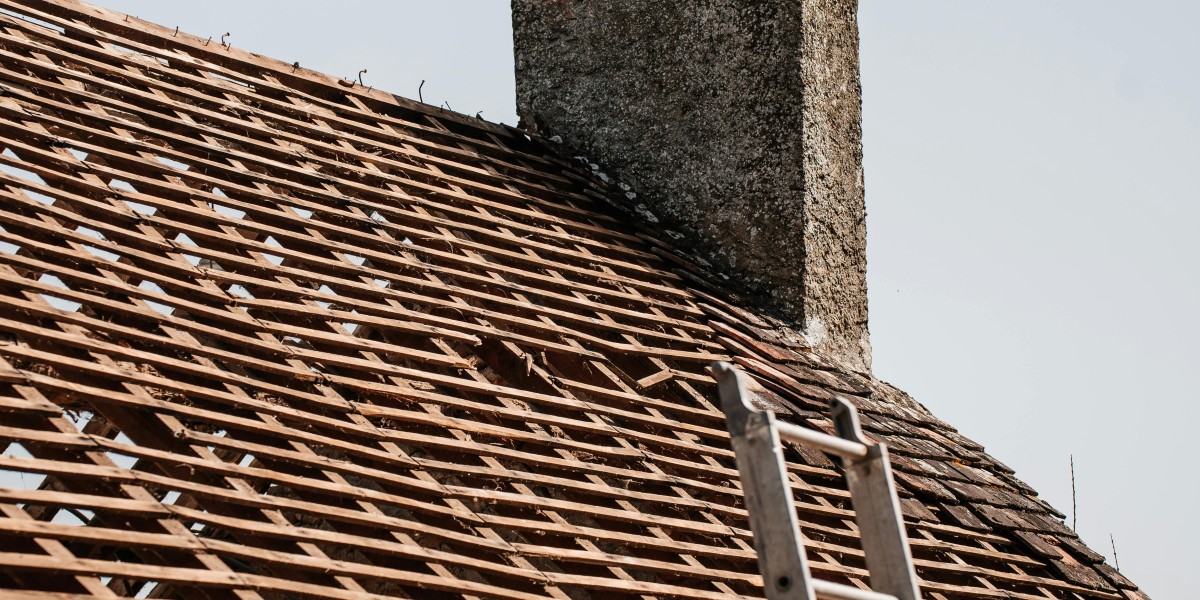
- Shingles that are missing, cracked, or curled
- Roof valleys where two slopes meet
- Skylights and roof joints
A flashlight and attic inspection (if safe) can help trace the path of water.
2. Temporary Fix: Stop the Leak Immediately
If water is actively coming in, your first priority is damage control before learning how to repair a roof leak permanently.
Quick emergency steps:
1. Use a tarp cover
- Place a heavy-duty waterproof tarp over the leaking area
- Secure it with nails or weighted objects
- Extend it beyond the damaged section for full coverage
2. Collect the water inside
- Use buckets or containers to catch dripping water
- Place towels around the area to prevent spreading
3. Relieve ceiling bulges
- If water is pooling in the ceiling, carefully puncture a small hole to release it into a bucket (this prevents collapse)
These steps won’t fix the roof but will protect your home until repairs are completed.
3. How to Repair a Roof Leak: Practical Methods
Once the weather clears, you can move on to permanent repair solutions. The method depends on the type of damage.
4. Replacing Damaged Shingles
Missing or broken shingles are one of the most common causes of roof leaks.
Steps:
- Lift surrounding shingles carefully
- Remove nails from damaged shingles
- Slide out the broken piece
- Install a new matching shingle
- Nail it securely and seal edges with roofing cement
This is one of the simplest answers to how to repair a roof leak caused by surface damage.
5. Sealing Roof Flashing Gaps
Flashing protects vulnerable roof areas like chimneys, skylights, and vents. If it loosens or cracks, leaks occur.
Repair method:
- Remove loose flashing if necessary
- Clean the surface thoroughly
- Apply roofing sealant or cement
- Press flashing back into place
- Secure with roofing nails
For long-term durability, damaged flashing should be replaced rather than just sealed.
6. Fixing Small Holes with Roofing Cement
Small punctures or cracks can be sealed without replacing materials.
Steps:
- Clean the area around the leak
- Apply roofing cement directly into the hole
- Spread evenly using a putty knife
- Add a patch of roofing fabric if needed
- Seal again with another layer of cement
This is a fast and effective method for minor leaks.
7. Repairing Roof Valleys
Roof valleys carry large amounts of rainwater, making them prone to leaks.
Fix process:
- Remove shingles along the valley
- Inspect underlying metal or membrane
- Replace damaged sections
- Apply waterproof underlayment
- Reinstall shingles properly overlapping the valley
Proper alignment is critical here, as even small mistakes can lead to recurring leaks.
8. Sealing Around Roof Penetrations
Vents, pipes, and chimneys often develop leaks due to worn-out seals.
Repair method:
- Remove old sealant carefully
- Clean the surface completely
- Apply new silicone or roofing sealant
- Press flashing boots or collars firmly
- Let it cure before rain exposure
This is an essential part of learning how to repair a roof leak effectively, especially in older homes.
9. Repairing or Replacing Roof Underlayment
If water has reached beneath shingles, the underlayment may be damaged.
Steps:
- Remove affected shingles
- Inspect roofing felt or synthetic layer
- Cut out damaged sections
- Replace with new underlayment
- Reinstall shingles securely
This repair requires more time but provides long-term protection.
10. Using Waterproof Roof Coatings
For widespread minor leaks, roof coatings can be a practical solution.
Benefits:
- Seals small cracks and gaps
- Extends roof lifespan
- Improves water resistance
Application:
- Clean roof surface thoroughly
- Apply coating evenly using a roller or sprayer
- Allow proper drying time
This method is especially useful for flat or low-slope roofs.
11. Preventing Future Roof Leaks
Repairing a leak is important—but preventing it is even better.
Maintenance tips:
- Inspect your roof twice a year
- Clean gutters regularly
- Replace missing shingles immediately
- Check flashing after storms
- Trim overhanging tree branches
- Remove debris from roof surface
Regular maintenance reduces the chances of needing emergency repairs.
12. When to Call a Professional
While small repairs can be handled by homeowners, some situations require expert help:
- Large or multiple leaks
- Structural roof damage
- Mold growth in attic spaces
- Sagging roof sections
- Repeated leaks after repairs
A professional roofer can identify hidden damage and ensure long-term safety.
Final Thoughts
Understanding how to repair a roof leak quickly can prevent serious home damage and costly repairs. From temporary fixes like tarping and sealing to permanent solutions like shingle replacement and flashing repair, each method plays a role depending on the severity of the issue.
Acting fast is the key. Even a small leak can grow into a major structural problem if ignored. With the right approach, you can protect your home and restore your roof’s durability effectively.