
A comfortable home is about more than maintaining the right temperature. The quality of indoor air also plays an important role in creating a healthy and pleasant living environment. Climate Services Heating and Air Conditioning helps homeowners maintain comfortable indoor spaces through professional heating and cooling services. Understanding what affects indoor air quality and how to care for HVAC equipment can help families make their homes fresher and more comfortable.
Why Indoor Air Quality Matters
Indoor air quality can influence everyday comfort, especially when people spend much of their time inside. Dust, pet dander, pollen, cooking odors, and other airborne particles can collect indoors. Poor ventilation and neglected HVAC equipment may also contribute to an uncomfortable indoor environment. Maintaining clean surroundings and supporting proper airflow can help reduce common indoor pollutants. Homeowners should pay attention to dust buildup, lingering odors, and ventilation problems because these may indicate that their indoor environment needs attention.
Common Factors That Affect Indoor Air Quality
Several everyday factors can influence the air inside a home. Identifying these sources makes it easier to take practical steps toward improving indoor conditions. Homeowners who need professional heating and cooling assistance can contact +1 707-396-0181 for service information.
Dust and Pet Dander: Dust, hair, and pet dander can collect on furniture, carpets, and other household surfaces. Regular cleaning can help reduce their buildup.
Poor Ventilation: Limited airflow may allow odors and indoor pollutants to remain trapped inside rooms.
Cooking Activities: Cooking can produce smoke, grease particles, and odors, making suitable kitchen ventilation important.
Moisture and Humidity: Excess moisture can contribute to damp conditions and may encourage mold growth.
Dirty HVAC Filters: Filters that are not checked or replaced as recommended may become clogged and restrict airflow.
How HVAC Systems Support Better Indoor Air Quality
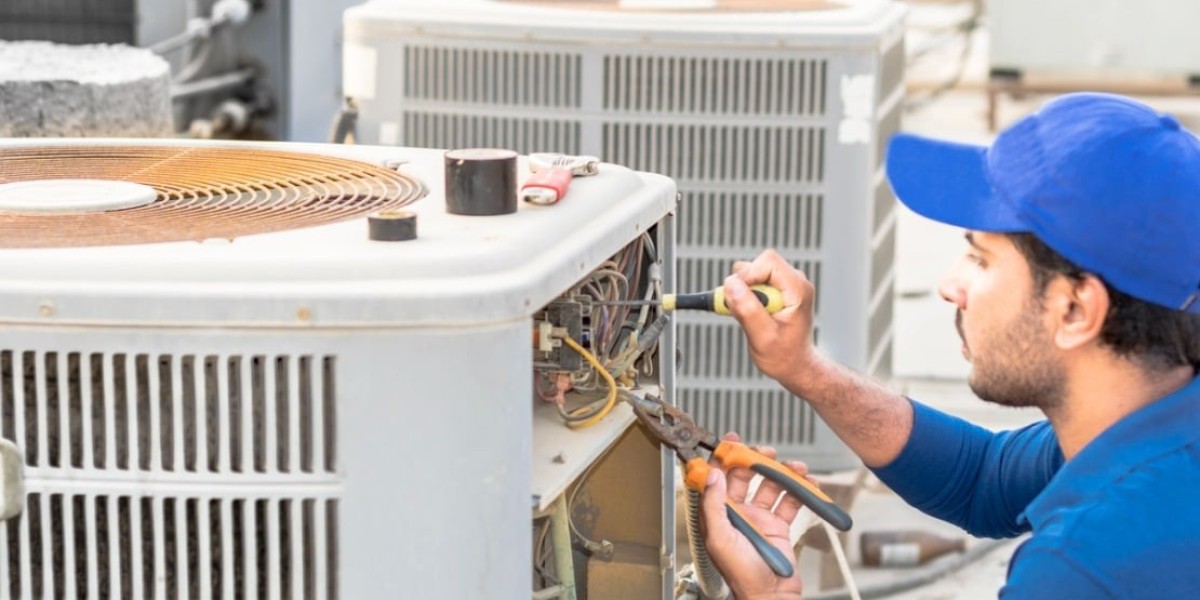
Heating and cooling systems do more than regulate indoor temperatures. Depending on the equipment and its design, an HVAC system can circulate indoor air and filter certain airborne particles. However, its ability to support indoor air quality depends on proper maintenance, suitable filtration, and adequate airflow. Homeowners should follow the manufacturer's recommendations for filter replacement and arrange professional inspections when necessary. A technician can examine the equipment, check airflow, and identify issues that may affect system operation. Keeping the HVAC system in good working condition is an important part of maintaining a comfortable indoor environment.
The Importance of Regular Air Filter Replacement
Air filters collect particles as air moves through the HVAC system. Over time, dust and other materials can accumulate on the filter and restrict airflow. A clogged filter may make the system work harder and can affect its performance. Homeowners should inspect their filters regularly and replace them according to the manufacturer's instructions. The correct filter type and size are also important because not every filter is suitable for every HVAC system. If homeowners are unsure which filter to use, they can ask a qualified professional for guidance. Regular filter care supports airflow and helps the equipment operate as intended.
Improving Ventilation Throughout Your Home
Proper ventilation helps bring fresh outdoor air into indoor spaces and remove stale air. Opening windows when outdoor conditions are suitable can help refresh rooms naturally. Kitchen and bathroom exhaust fans can also help remove cooking odors and excess moisture. Homeowners should make sure ventilation outlets are not blocked and that exhaust fans are working correctly. In homes with limited natural ventilation, a professional can discuss suitable ventilation solutions based on the building and existing HVAC equipment. A balanced approach can help create a fresher indoor environment without overlooking temperature control.
Managing Indoor Humidity Levels
Humidity is another important part of indoor comfort. Air that is too humid may feel uncomfortable and can contribute to damp surfaces and moisture-related problems. Very dry indoor air may also cause discomfort for some people. Homeowners can support balanced humidity by using kitchen and bathroom exhaust fans, addressing leaks promptly, and avoiding unnecessary moisture buildup. Air conditioning systems can help manage indoor humidity under suitable operating conditions, but performance depends on equipment size, condition, and the home's environment. If humidity remains difficult to control, professional assessment can help identify possible causes and appropriate options.
Everyday Cleaning Habits That Help Keep Air Fresh
Regular household cleaning can reduce the amount of dust and debris that accumulates indoors. Although cleaning alone cannot remove every airborne pollutant, it is a useful part of a broader indoor air quality routine.
Vacuum Regularly: Clean carpets, rugs, and upholstered surfaces to reduce accumulated dust and debris.
Clean Household Surfaces: Wipe shelves, tables, and other surfaces with suitable cleaning materials.
Wash Bedding: Clean bedding regularly to reduce dust and other particles.
Control Moisture: Repair leaks and dry damp areas to help prevent persistent moisture problems.
Keep HVAC Vents Clear: Avoid blocking supply and return vents with furniture, curtains, or other objects.
When to Seek Professional HVAC Assistance
Some indoor air quality concerns may be connected to HVAC performance, ventilation, or moisture problems that require professional attention. Persistent odors, weak airflow, unusual equipment sounds, and inconsistent temperatures are reasons to have the system checked. A qualified HVAC professional can inspect the equipment, evaluate its operation, and explain suitable maintenance or repair options. Homeowners should avoid attempting electrical repairs or opening equipment components without the appropriate training. Professional guidance can help identify the source of a problem and determine the next steps for maintaining a comfortable indoor environment.
Conclusion
Improving indoor air quality involves several practical steps, including regular cleaning, proper ventilation, humidity management, and routine HVAC maintenance. Homeowners who monitor their indoor environment and care for their heating and cooling equipment can create a fresher and more comfortable living space. When system-related concerns arise, professional assessment can help identify suitable solutions and support reliable HVAC performance.
Frequently Asked Questions (FAQs)
1. What are common causes of poor indoor air quality?
Dust, pet dander, cooking particles, poor ventilation, excess moisture, and neglected HVAC filters can all affect indoor air quality.
2. How often should HVAC air filters be replaced?
It depends on the filter type, household conditions, and manufacturer's instructions. Homeowners should inspect filters regularly and replace them as recommended.
3. Can an HVAC system improve indoor air quality?
An HVAC system can help circulate and filter air when it has suitable equipment and proper maintenance. Its effectiveness depends on the system's design and condition.
4. How can I improve ventilation in my home?
Use kitchen and bathroom exhaust fans, keep vents unobstructed, and open windows when outdoor conditions are suitable.
5. Why is humidity control important indoors?
Balanced humidity supports indoor comfort and helps reduce problems associated with excessive moisture or overly dry air