
Facial expressions are an essential part of how people communicate emotions, personality, and confidence. Smiling, laughing, speaking, and raising the eyebrows involve continuous movement of facial muscles and surrounding tissues. Over time, repeated movements, natural collagen loss, and changes in skin elasticity can influence how the face looks both during movement and at rest. These changes may include visible folds, reduced cheek fullness, and alterations in facial contours.
Modern aesthetic treatments offer different approaches to addressing these concerns while maintaining natural facial characteristics. Sculptra is one option that works by stimulating the body's collagen production rather than directly restricting muscle movement. Best Doctors in Dubai consider facial anatomy, skin quality, existing volume changes, and individual treatment goals when discussing whether this approach is suitable. Understanding the relationship between collagen support and facial expression helps patients develop realistic expectations about potential improvements.
Understanding Sculptra Fillers and Their Relationship With Facial Expression
Sculptra is an injectable treatment containing poly-L-lactic acid (PLLA), a biodegradable synthetic material that stimulates collagen production. Collagen is an important structural protein that contributes to skin firmness, elasticity, and support. As natural collagen production changes with age, the skin may gradually lose some of its structural support, making certain folds and wrinkles more noticeable.
Unlike treatments designed to temporarily reduce muscle activity, Sculptra focuses on improving selected concerns associated with collagen loss and facial volume. It does not directly prevent the muscles from moving during smiling, speaking, or other expressions.
The term sculptra fillers is commonly used when discussing collagen-stimulating injectable treatments. However, Sculptra has a different mechanism from conventional hyaluronic acid fillers. Its effects develop gradually as the body responds to the PLLA particles and produces new collagen.
How Collagen Supports Natural Facial Movement
Healthy skin and underlying soft tissues contribute to the way facial features move and settle during expressions. Collagen provides structural support, while facial muscles create the movements involved in smiling, frowning, and speaking.
When collagen levels decline, the skin may become less firm and some lines may remain visible even when the face is relaxed. Restoring selected areas of structural support may improve the appearance of these concerns, although it does not stop the natural aging process.
A treatment plan should therefore consider both the appearance of the face at rest and its behavior during movement. This helps distinguish concerns related to skin quality and volume loss from those primarily caused by repeated muscle contractions.
How Facial Expressions Influence the Appearance of Wrinkles
Facial expressions involve coordinated activity between different muscle groups. The forehead, cheeks, areas around the mouth, and lower face all contribute to these movements. Repeated expressions can gradually influence the appearance of lines, particularly when combined with changes in skin elasticity.
Dynamic Wrinkles and Static Wrinkles
Understanding the difference between dynamic and static wrinkles is important when choosing an aesthetic treatment.
Dynamic wrinkles become more noticeable when facial muscles contract. Examples include forehead lines when raising the eyebrows and lines around the eyes when smiling. These wrinkles may become less visible when the muscles relax.
Static wrinkles remain visible even when the face is at rest. They can develop through a combination of collagen loss, skin changes, repeated movement, and reduced tissue support.
Sculptra may be considered for selected static wrinkles and folds associated with facial ageing. However, it is not a muscle relaxant and should not be presented as a direct treatment for all expression lines. Other procedures may be more appropriate when the primary concern involves excessive muscle activity.
Why Preserving Natural Expressions Matters
An aesthetic treatment should complement the patient's natural facial characteristics rather than create an artificial appearance. Facial movement contributes to emotional communication, so maintaining normal expression is an important consideration during treatment planning.
A balanced approach focuses on improving suitable skin and volume concerns without unnecessarily changing the way facial features move. This requires an understanding of the relationship between skin, muscles, and underlying soft tissues.
Best Sculptra Fillers Doctors in Dubai: Choosing the Right Practitioner
Selecting a qualified practitioner is an important step before undergoing any injectable procedure. Best Sculptra Fillers Doctors in Dubai should understand facial anatomy, collagen-stimulating treatments, product-specific instructions, and the differences between wrinkles caused by muscle movement and those associated with volume loss. Patients should also evaluate professional qualifications, clinical experience, consultation standards, and the quality of aftercare arrangements.
The phrase Celebrity Clinics in Dubai is often associated with aesthetic treatment discussions, but a clinic's reputation or popularity should not replace careful evaluation of its clinical standards. Similarly, references to Celebrity Doctors In Dubai should not be considered evidence of professional suitability without checking relevant qualifications and experience.
The Importance of Facial Assessment
A proper consultation should examine the face as a complete structure. Treating one visible line without considering surrounding features may not address the underlying concern.
The assessment may include:
- Facial symmetry and natural proportions.
- Skin texture, thickness, and elasticity.
- Cheek and midface volume.
- The appearance of wrinkles during movement and at rest.
- Previous injectable treatments and cosmetic procedures.
- Medical history, allergies, and current medications.
- Individual expectations and preferred outcomes.
These details help establish whether collagen stimulation is appropriate or whether another treatment may better address the concern.
Understanding Treatment Limitations
Sculptra does not produce the same effects as every other injectable procedure. It cannot directly relax facial muscles, eliminate all expression lines, or correct significant skin laxity. Patients should receive a clear explanation of these limitations before treatment.
A responsible practitioner will also discuss alternative options rather than recommending collagen stimulation for every type of wrinkle.
Facial Areas That May Benefit From Collagen Stimulation
Facial aging affects different areas in different ways. Some patients notice changes in cheek fullness, while others become more concerned about folds around the mouth or reduced skin firmness. The appropriate treatment depends on the location and cause of the concern.
Cheeks and Midface Support
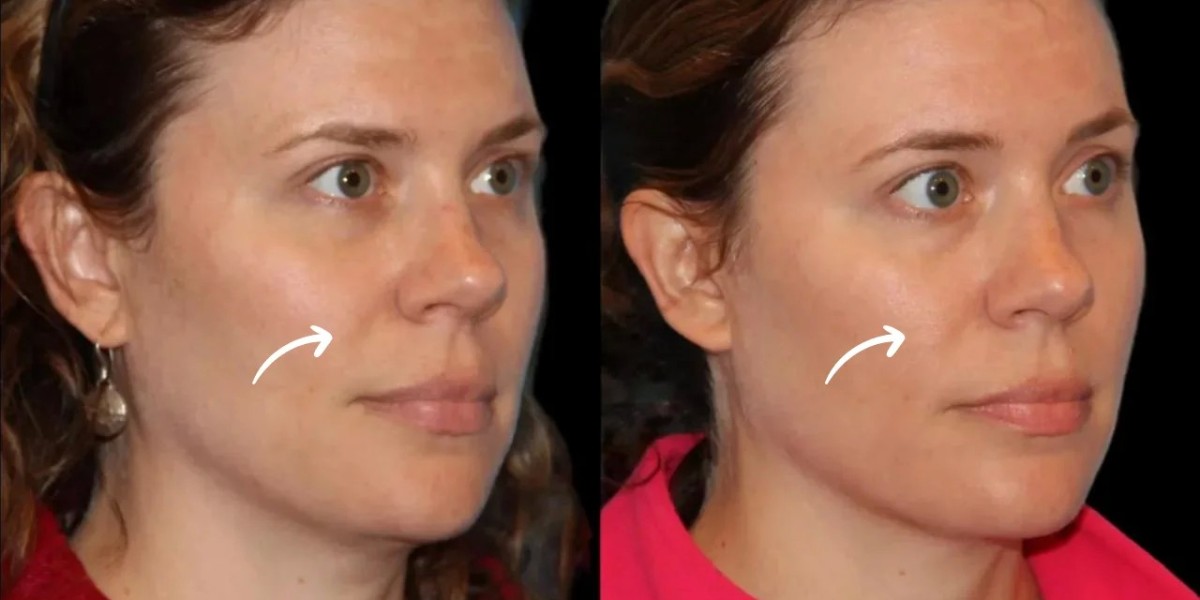
The cheeks play an important role in facial proportions and contribute to the appearance of the middle third of the face. Reduced fullness may make the face appear flatter and can change the way surrounding folds look during smiling.
Sculptra cheeks treatment may be considered for selected cheek-related wrinkles and volume concerns when the patient's anatomy and treatment goals are appropriate. A practitioner evaluates tissue thickness, facial structure, and the intended improvement before determining whether treatment is suitable.
Overall Facial Appearance
A sculptra face treatment plan should consider how different areas relate to one another. The objective is not to create excessive fullness but to address selected concerns while maintaining natural facial proportions.
For example, improving cheek-related volume may influence the overall appearance of the midface, but it does not automatically correct wrinkles caused by muscle movement. A complete assessment helps distinguish between these different concerns.
Neck and Décolletage
The neck has delicate skin that may develop fine lines, creasing, and changes in texture over time. These concerns can become more noticeable as collagen production changes.
Sculptra for neck is a phrase associated with collagen-stimulating treatment discussions. However, patients should verify whether treatment in this area is authorized for the specific product and permitted under applicable regulations. The safety and suitability of treatment must be established through professional assessment rather than assumed from its use in facial areas.
Sculptra Versus Treatments for Expression Lines
Different aesthetic treatments address different causes of facial aging. Understanding their mechanisms helps patients avoid choosing a procedure based only on the appearance of a wrinkle.
Collagen Stimulation and Muscle Relaxation
Sculptra encourages collagen production and may improve selected wrinkles, folds, and volume-related concerns. Muscle-relaxing treatments, such as botulinum toxin injections, temporarily reduce activity in specific muscles responsible for dynamic wrinkles.
For example, forehead lines caused by repeated eyebrow movement may require a different approach from static folds associated with reduced tissue support.
These treatments are not interchangeable. In some cases, a practitioner may discuss different procedures as part of a broader plan, but their suitability, timing, and potential risks must be evaluated individually.
Understanding Conventional Injectable Fillers
Hyaluronic acid fillers provide volume through an injected gel and may be used to address specific contours and folds. Sculptra works differently by stimulating gradual collagen formation.
The phrase sculptra dermal filler is sometimes used when comparing these injectable options. However, patients should understand that collagen stimulators and conventional fillers have different properties, treatment goals, and safety considerations.
Choosing between them depends on whether the concern involves immediate structural volume, gradual collagen improvement, or muscle-related expression lines.
What Happens During a Sculptra Treatment Session?
A treatment appointment generally begins with a consultation and examination of the proposed area. The practitioner reviews the patient's medical history, discusses treatment expectations, and determines whether the procedure is appropriate.
If treatment is considered suitable, the product is prepared according to its instructions and administered using an appropriate technique.
Before the Appointment
Patients should disclose previous cosmetic procedures, allergies, medications, and relevant medical conditions. A history of unusual scarring or previous reactions to injectable products should also be discussed.
Treatment should be postponed if there is an active infection or inflammation in the proposed injection area. People who are pregnant or breastfeeding should discuss the lack of established safety data and generally defer elective treatment.
During the Procedure
The treatment area is prepared according to clinical protocols. Depending on the treatment plan, appropriate measures may be used to improve comfort.
Sculptra injections require product-specific preparation and administration. The practitioner must understand the relevant facial anatomy, injection depth, and potential complications. Careful placement is essential because incorrect administration can result in visible irregularities or more serious complications.
After the Appointment
Temporary swelling, redness, bruising, tenderness, and discomfort may occur. Patients should follow the aftercare instructions provided by their practitioner, including any product-specific massage recommendations.
Massage should not be performed according to a generic routine without confirming the appropriate instructions for the particular treatment and individual circumstances.
Results, Recovery, and Maintaining Realistic Expectations
Sculptra works gradually, so the final collagen-related effect is not immediately visible. Improvement develops over several weeks as the tissue responds to treatment. Some patients may require multiple sessions, depending on their concerns and clinical assessment.
Early swelling can temporarily change the appearance of the treated area. This should not be confused with the longer-term result. Follow-up appointments allow the practitioner to evaluate progress and decide whether further treatment is appropriate.
The appearance of the face during smiling and other expressions may remain influenced by natural muscle activity. Sculptra does not freeze facial movement or guarantee the removal of every visible line.
Results vary according to individual anatomy, skin condition, treatment technique, and the body's response. No particular outcome or duration should be guaranteed.
Safety Considerations and Possible Side Effects
Understanding potential risks is an essential part of informed consent. Common reactions include redness, swelling, tenderness, bruising, itching, and discomfort around injection sites. Small lumps or nodules may also develop, sometimes appearing weeks or months after treatment.
More serious complications are uncommon but can include accidental injection into a blood vessel. This may lead to reduced blood supply, tissue damage, and potentially serious vision-related or neurological complications.
Patients should seek immediate medical attention if they experience severe or unusual pain, skin whitening, changes in vision, or symptoms suggestive of a neurological problem after an injectable procedure.
Sculptra may not be appropriate for people with hypersensitivity to its ingredients or a history of keloid formation or hypertrophic scarring. Its safety has not been established in people under 18 or in pregnant or breastfeeding patients. Active infection or inflammation in the proposed treatment area must also be addressed before proceeding.
Body-Area Applications: Understanding Buttock and Hip-Dip Concerns
Although facial treatment is a major area of discussion for Sculptra, collagen-stimulating products are also mentioned in conversations about body contouring. However, the safety and authorization of a product for facial use do not automatically establish its suitability for other anatomical areas.
Buttock Volume and Contour Considerations
Sculptra for buttocks is a phrase associated with interest in improving buttock volume and contour. Sculptra buttock injections may also be discussed in connection with changes in the appearance of this area.
Similarly, buttocks sculptra and sculptra for hip dips refer to concerns about the transition between the hips and buttocks. These applications require separate consideration because body anatomy, injection depth, and potential complications differ from facial procedures.
The term sculptra filler for buttocks should not be interpreted as a recommendation for routine treatment. Patients must verify the exact product's authorized indications, applicable regulations, available safety evidence, and the practitioner's qualifications before considering any non-facial application.
Understanding Consultation and Treatment Costs
The overall expense of treatment depends on several factors, including the number of vials, proposed sessions, product requirements, and complexity of the treatment plan.
When discussing sculptra cost, patients should request a clear explanation of what the proposed treatment includes, such as consultation, product administration, and follow-up assessment. The sculptra price should not be the only factor when comparing providers. Product authenticity, practitioner qualifications, clinical standards, and aftercare arrangements are equally important.
People considering sculptra in Dubai should prioritize a detailed consultation that explains the relationship between collagen stimulation, facial movement, and their individual aesthetic concerns.
At Perfect Doctors Clinic, treatment discussions can focus on facial proportions, skin condition, and realistic expectations. Dr. Perfect Celebrity may be referenced in the context of the clinic's aesthetic services, while any specific treatment recommendation should depend on an appropriate clinical assessment.
Conclusion
Facial expressions contribute to personality and communication, while collagen and soft-tissue support influence the appearance of the skin during movement and at rest. Sculptra offers a gradual collagen-stimulating approach that may help address selected wrinkles, folds, and volume-related concerns.
Understanding the difference between dynamic expression lines and static wrinkles is important when considering treatment. Sculptra does not directly relax facial muscles, and its suitability depends on the patient's anatomy, treatment goals, and medical history. A qualified practitioner can explain its potential benefits, limitations, alternatives, and safety considerations to help establish a realistic treatment plan that respects natural facial movement.
Frequently Asked Questions
1. Does Sculptra affect natural facial expressions?
Sculptra does not directly relax or paralyse facial muscles. It stimulates collagen production, which may gradually improve selected wrinkles and volume-related concerns while normal muscle movement continues.
2. Can Sculptra remove wrinkles caused by smiling?
It may help improve certain static wrinkles and folds, but it is not designed to stop muscle contractions responsible for dynamic smile lines. The appropriate treatment depends on the cause and location of the wrinkles.
3. What is the difference between dynamic and static wrinkles?
Dynamic wrinkles become more noticeable during facial movements, such as smiling or raising the eyebrows. Static wrinkles remain visible when the face is relaxed and may be associated with collagen loss, skin changes, and repeated expressions.
4. Does Sculptra provide immediate results?
No. Sculptra stimulates gradual collagen production, so improvement develops over several weeks. Temporary swelling immediately after treatment should not be mistaken for the final result.
5. Can Sculptra improve cheek appearance?
It may help address selected cheek-related wrinkles and volume concerns. A practitioner must assess facial anatomy, skin thickness, and treatment suitability before recommending it.
6. Is Sculptra the same as Botox?
No. Sculptra stimulates collagen production, whereas botulinum toxin temporarily reduces activity in selected facial muscles. They address different aesthetic concerns.
7. How many Sculptra sessions may be required?
The number of sessions depends on the patient's concerns, treatment area, and response. The practitioner determines the schedule after an individual assessment and follow-up.
8. What side effects can occur after treatment?
Common reactions include swelling, redness, bruising, tenderness, itching, and discomfort. Small lumps or nodules may also develop. Serious vascular complications require immediate medical attention.
9. Can Sculptra be used for areas other than the face?
Some non-facial applications may be discussed, but their authorization and safety evidence vary by product and jurisdiction. Patients should verify the applicable instructions and seek a qualified assessment.
10. How can patients maintain natural-looking results?
A suitable treatment plan should respect facial anatomy, avoid excessive correction, and address the actual cause of the concern. Following professional aftercare instructions and attending recommended follow-up appointments are also important.