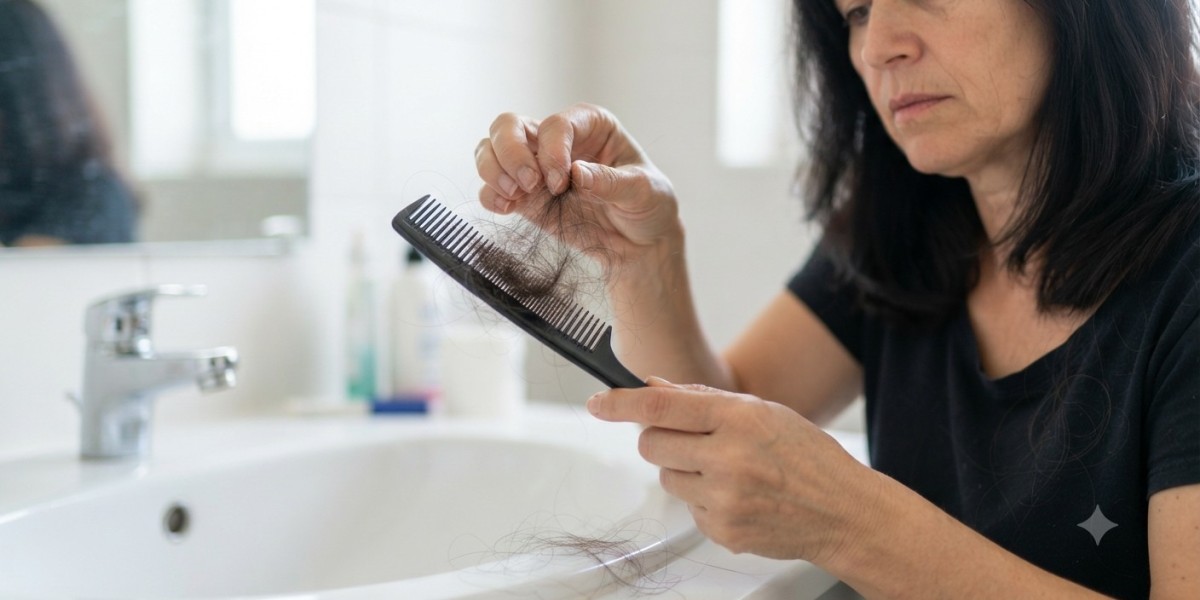

Hair thinning can affect people of different ages and may develop for several reasons. Genetic factors, hormonal changes, medical conditions and nutritional deficiencies can influence the natural hair growth cycle.
Some individuals notice gradual thinning, while others experience sudden shedding. Understanding the difference is important because treatment should be selected according to the underlying cause.
People exploring Hair loss treatment in Noida Sector 50 can begin with a professional scalp examination to understand their condition and available treatment options.
What Are the Main Causes of Hair Loss?
Genetic Hair Thinning
Androgenetic alopecia is a common hereditary condition that causes progressive hair thinning.
It may affect the hairline, crown or overall scalp density.
Temporary Hair Shedding
Telogen effluvium can develop after physical illness, significant stress, surgery or other major changes.
It may lead to increased shedding, although the condition is often temporary once the underlying trigger is addressed.
Nutritional Deficiencies
Low levels of certain nutrients, including iron, may contribute to excessive hair shedding.
A healthcare professional can recommend appropriate testing if a deficiency is suspected.
Hormonal Conditions
Thyroid problems and other hormonal changes may affect hair growth.
Identifying and managing the underlying condition is important.
Scalp Inflammation
Certain scalp disorders can cause itching, redness, scaling and hair loss.
Persistent symptoms should be evaluated by a dermatologist.
Why Should Hair Loss Be Diagnosed Professionally?
Hair loss treatments are not interchangeable. A product that helps one condition may not be useful for another.
A dermatologist may assess:
Pattern and duration of hair loss.
Scalp condition.
Hair density.
Family history.
Current medicines.
Previous treatments.
Relevant medical factors.
Additional tests may be recommended when clinically necessary.
Hair Loss Treatment Options
1. Medical Hair Management
Some forms of hair loss respond to specific medicines. A dermatologist can discuss appropriate options, treatment duration and possible side effects.
Medication should not be started without understanding whether it is suitable.
2. PRP Therapy
Platelet-Rich Plasma treatment uses a platelet-rich preparation obtained from the patient's own blood.
It may be considered for selected individuals with certain types of hair thinning. Results vary and multiple sessions may be recommended.
3. Growth Factor Concentrate Therapy
GFC is a blood-derived procedure that uses a specific preparation method to concentrate growth factors.
It may be discussed as a supportive treatment option, depending on the patient's condition.
4. Hair Transplant Surgery
Individuals with established pattern baldness may be evaluated for transplantation.
The procedure involves moving healthy follicles from a donor area to areas with reduced hair density.
How to Support Healthy Hair Through Daily Care
Good hair care habits can reduce avoidable damage.
Consider these practices:
Maintain a balanced diet.
Use gentle shampoo.
Avoid excessive heat styling.
Reduce tight hairstyles.
Limit harsh chemical treatments.
Follow medical advice.
Avoid unnecessary supplements.
Hair care products cannot correct every medical cause of hair loss, so persistent symptoms should not be ignored.
What Should You Expect During Treatment?
Hair restoration is generally a gradual process.
Some treatments require several weeks or months before changes can be evaluated. Hair growth cycles are slow, and results vary between individuals.
The specialist should explain the expected timeline and maintenance requirements before starting.
Regular follow-up helps assess treatment response and determine whether adjustments are needed.
Selecting a Hair Treatment Clinic in Sector 50
Before selecting a clinic, check the treating professional's qualifications and ask about the diagnostic process.
A responsible treatment plan should identify the cause of hair loss and explain the available options.
Patients should also understand the treatment costs, possible side effects and follow-up arrangements.
When Should You Consult a Dermatologist?
Professional evaluation is recommended if hair loss continues, thinning becomes noticeable or bald patches develop.
Sudden or unusual hair loss, especially when accompanied by scalp symptoms, should receive timely medical attention.
Conclusion
Hair loss management starts with understanding why the hair is thinning. Medical treatment, PRP, GFC and hair transplantation may be discussed depending on individual suitability.
If you are considering Hair loss treatment in Noida Sector 50, seek professional advice before selecting a treatment. A personalised approach can help address the underlying concern and support long-term hair care.