
Skin tags are small, soft growths that commonly appear on the neck, underarms, eyelids, chest, and other areas where the skin rubs together. They are usually harmless, but some people choose to have them removed because they cause irritation, affect their appearance, or become uncomfortable when clothing or jewellery rubs against them.
There are several ways to remove skin tags, and the most suitable method depends on their size, location, number, and individual skin condition. Understanding the available options can help patients make informed decisions and choose an appropriate treatment.
At Bodyvie Clinic, patients can learn about different skin tag removal methods and discuss their skin concerns with a qualified medical professional. Choosing professional Skin Tag Removal in London can help ensure that the growth is assessed correctly and the removal method is suitable for the treated area.
Understanding Skin Tag Removal in London and Why People Choose It
Skin Tag Removal in London involves removing small, benign skin growths using suitable medical techniques. Skin tags are generally harmless and do not usually require treatment. However, removal may be considered when they cause discomfort, repeated irritation, or cosmetic concerns.
What Are Skin Tags?
Skin tags are soft, small growths that develop on the skin. They are usually flesh-coloured or slightly darker and may appear attached to the skin by a narrow stalk.
They commonly develop in areas where skin folds or experiences regular friction, including:
- Neck and collar area.
- Underarms.
- Eyelids and around the eyes.
- Under the breasts.
- Groin and inner thighs.
- Chest and back.
Skin tags can vary in size. Some are very small and barely noticeable, while others may become larger over time.
Why Do Skin Tags Develop?
The exact cause of skin tags is not always clear, but several factors may contribute to their development.
Skin Friction: Repeated rubbing between skin surfaces or against clothing may encourage skin tag formation.
Genetics: Some people are more likely to develop skin tags because of family history.
Ageing: Skin tags become more common as people get older.
Hormonal Changes: Hormonal changes may influence the development of skin tags in some individuals.
Weight Changes: Skin folds and increased skin friction may contribute to their appearance.
It is important to remember that skin tags are not contagious and cannot spread from one person to another.
How to Identify Skin Tags Before Choosing a Removal Method
Before selecting a removal treatment, it is important to confirm that the growth is actually a skin tag. Other skin conditions, including moles and certain skin lesions, can sometimes look similar.
Common Signs of Skin Tags
Most skin tags have several recognisable features:
- They are usually soft to the touch.
- They may be attached by a narrow stalk.
- Their colour can range from flesh-toned to brown.
- They are generally painless.
- They often develop in skin folds.
- They may increase slightly in size over time.
Although these characteristics are common, a professional assessment is important before removal.
Why Professional Skin Assessment Matters
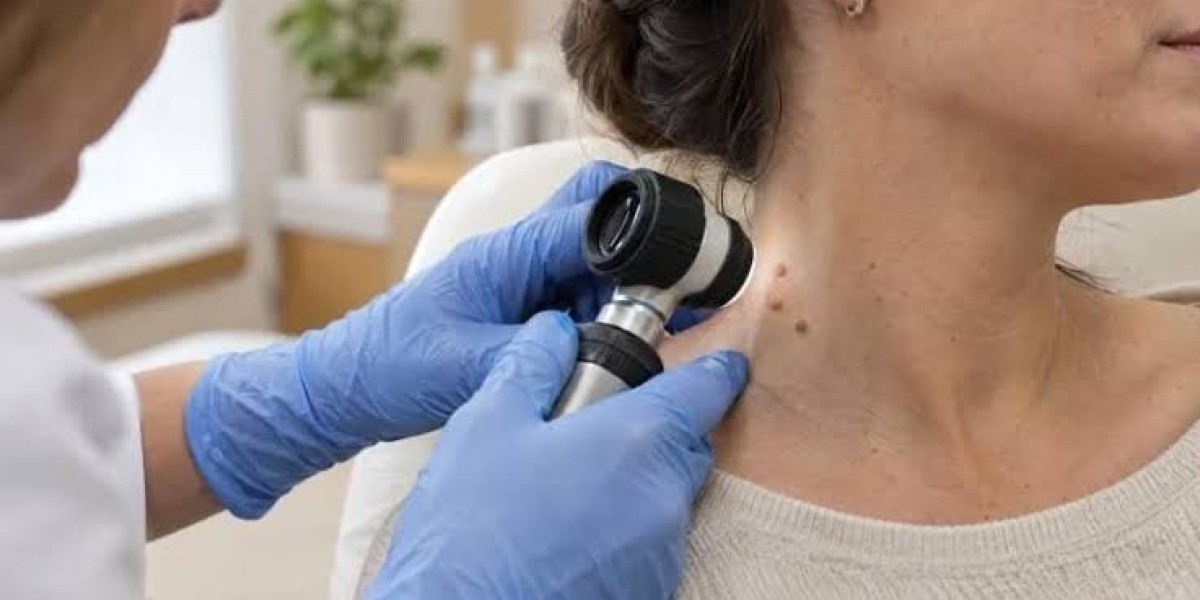
Not every skin growth should be treated as a skin tag. A dermatologist or appropriately qualified medical professional can examine the area and determine whether removal is suitable.
If a growth has changed in colour, shape, or size, bleeds without an obvious reason, or looks unusual, it should be assessed before any cosmetic removal procedure.
At Bodyvie Clinic, patients can discuss their concerns and learn whether a particular growth is suitable for removal.
Best Skin Tag Removal in London: Understanding Different Removal Methods
Choosing the Best Skin Tag Removal in London depends on the location, size, and characteristics of the skin tag. Different removal techniques are available, and each has its own benefits and considerations.
Cryotherapy for Skin Tag Removal
Cryotherapy involves using extreme cold, usually liquid nitrogen, to freeze the skin tag. The freezing process damages the targeted tissue, allowing it to dry out and eventually fall away.
This method may be suitable for certain small skin tags. However, more than one treatment may sometimes be required.
Benefits of Cryotherapy:
- It is a relatively quick procedure.
- It does not usually require surgical cutting.
- It can be suitable for selected small growths.
- Healing generally takes place gradually.
Temporary redness, blistering, and changes in skin colour may occur after treatment. The possibility of pigmentation changes should be discussed, particularly for darker skin tones.
Electrocautery for Removing Skin Tags
Electrocautery uses controlled electrical energy to generate heat and remove unwanted tissue. It is commonly used for suitable skin tags after the area has been prepared and local anaesthesia has been administered when appropriate.
The method allows the medical professional to target the growth precisely.
Benefits of Electrocautery:
- It can remove selected skin tags quickly.
- It allows controlled treatment of the targeted area.
- It may be suitable for certain raised growths.
- It can help control bleeding during removal.
Some redness, tenderness, and temporary scabbing may occur during healing.
Surgical Excision for Skin Tag Removal
Surgical excision involves cutting away the skin tag using sterile medical instruments. Local anaesthesia may be used to make the procedure more comfortable.
This method can be appropriate for larger skin tags or growths that require removal and possible laboratory examination.
Benefits of Surgical Excision:
- It allows direct removal of the growth.
- It can be suitable for larger skin tags.
- The removed tissue can be sent for laboratory testing when necessary.
- It provides a controlled removal approach.
The area may require a small dressing, and healing time depends on the size and location of the treated area.
Ligation for Selected Skin Tags
Ligation involves placing a medical thread or device around the base of a suitable skin tag to restrict its blood supply. Without an adequate blood supply, the growth gradually dries out and falls away.
This technique is not appropriate for every skin tag and should only be performed by a qualified professional when suitable.
How to Choose the Right Skin Tag Removal Method
There is no single removal technique that works best for every patient. The right approach depends on several individual factors.
Consider the Size and Location of the Skin Tag
Small skin tags may be suitable for methods such as cryotherapy or electrocautery, depending on their characteristics.
Larger growths may require surgical removal. Skin tags around delicate areas, such as the eyelids, need particular care because the surrounding skin is sensitive.
Understand Your Skin Type and Healing Response
Different skin types may respond differently to removal procedures. Some individuals are more likely to develop temporary dark marks, light marks, or scars after skin treatments.
Patients with a history of abnormal scarring or pigmentation should discuss this during their consultation.
Discuss Your Expectations With a Professional
Before choosing a procedure, patients should understand what the treatment involves, how the area may heal, and whether any aftercare is required.
At Bodyvie Clinic, patients can discuss suitable removal options according to their skin condition and treatment goals.
Understanding Skin Tag Removal Cost in London
The Skin Tag Removal cost in London can vary depending on the number of skin tags, their size, location, and the removal technique used.
Some procedures are relatively simple, while others may require additional preparation or more detailed assessment.
Factors That Affect Skin Tag Removal Cost
Several factors can influence the overall treatment price:
- Number of Skin Tags: Removing multiple growths may affect the total cost.
- Size of the Growth: Larger skin tags may require more time or a different technique.
- Location: Delicate areas may require additional care and precision.
- Removal Method: Cryotherapy, electrocautery, and surgical excision may have different costs.
- Consultation Fees: An initial assessment may be included or charged separately.
- Aftercare Requirements: Dressings, follow-up appointments, and additional care may influence the overall price.
Why You Should Compare Treatment Value Rather Than Price Alone
Choosing a clinic based only on the lowest price is not always the best decision. Patients should consider professional qualifications, hygiene standards, appropriate assessment, and the suitability of the recommended removal method.
At Bodyvie Clinic, patients can discuss their skin concerns and understand the factors that influence their personalised treatment plan and Skin Tag Removal cost in London.
What Happens During a Professional Skin Tag Removal Appointment?
Understanding the treatment process can help patients feel more comfortable before attending their appointment.
Initial Consultation and Skin Examination
The process generally begins with an examination of the skin tag. The medical professional assesses its appearance, size, location, and characteristics.
If the growth appears unusual, further investigation may be recommended before removal.
Preparing the Treatment Area
Once the removal method has been selected, the area is cleaned and prepared. Local anaesthesia may be used depending on the procedure and the size or location of the growth.
The selected removal technique is then performed using appropriate medical equipment.
Completing the Procedure
Most simple skin tag removal procedures are relatively quick. The duration depends on the number of growths and the chosen method.
After removal, the treated area may be covered with a small dressing if necessary. Patients receive aftercare instructions to support healing.
Skin Tag Removal Aftercare: How to Look After Your Skin
Aftercare is important for protecting the treated area and reducing the risk of irritation or infection.
Keep the Treated Area Clean
Patients should follow the cleaning instructions provided by their medical professional. Gentle care helps protect the healing skin.
Avoid scrubbing the treated area or using harsh skincare products until it has recovered.
Avoid Picking Scabs
A small scab may develop after certain removal procedures. It is important not to pick, scratch, or pull at it because doing so may increase the risk of infection and scarring.
Allow the skin to heal naturally.
Protect Your Skin From Sun Exposure
Newly treated skin may be more sensitive to sunlight. Once the area has healed sufficiently, appropriate sun protection can help reduce the risk of pigmentation changes.
Patients should follow the specific advice provided for their treatment.
Why Choose Bodyvie Clinic for Skin Tag Removal?
Choosing an appropriate clinic is an important step when considering the removal of unwanted skin growths. Patients should look for professional assessment, suitable treatment options, hygienic procedures, and clear aftercare guidance.
At Bodyvie Clinic, patients can discuss their skin concerns and learn about different removal techniques. A personalised approach helps ensure that the selected method considers the growth's characteristics, its location, and the patient's skin condition.
Understanding the available options before treatment can make the experience more comfortable and help patients develop realistic expectations.
Conclusion: Choosing the Right Skin Tag Removal Treatment
Skin tags are common and usually harmless, but they can sometimes cause irritation or cosmetic concerns. Different removal methods, including cryotherapy, electrocautery, surgical excision, and ligation, offer options for treating suitable skin growths.
The right method depends on the size, location, and characteristics of the skin tag. Professional assessment is essential to confirm the diagnosis and select an appropriate treatment.
At Bodyvie Clinic, patients can explore suitable options for Skin Tag Removal in London, discuss their individual concerns, and understand treatment costs and aftercare requirements. Choosing an appropriate removal method can help patients address unwanted skin tags while prioritising skin health and safety.