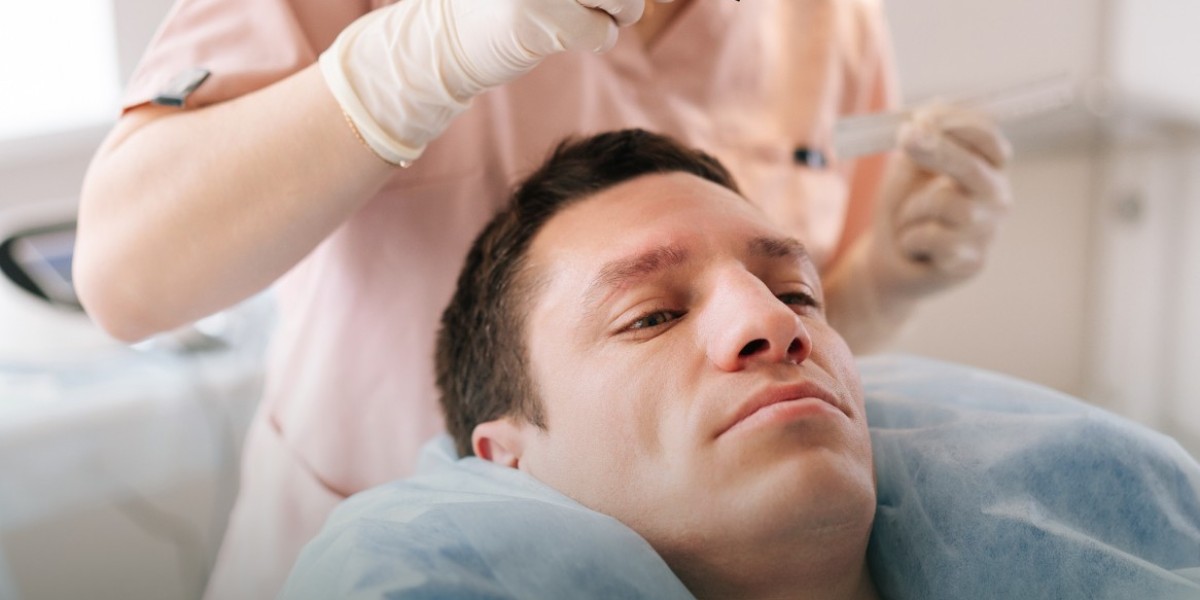

Hair loss is a common concern among men and women. It can affect appearance, confidence, and overall self-esteem. Many people experience hair thinning, receding hairlines, bald patches, or reduced hair density because of genetics, hormonal changes, ageing, and other factors. A hair transplant is a popular option for people who want to restore hair growth and achieve a fuller appearance.
However, the success of a hair transplant depends on several important factors. The quality of donor hair, the condition of the scalp, the surgeon's experience, the selected technique, and post-treatment care can all influence the final outcome. Understanding these factors before undergoing treatment can help patients make better decisions.
At Biolite Clinic, patients can explore hair restoration options and learn about the factors that influence treatment results. Understanding the procedure, recovery process, and realistic expectations is an important part of planning Hair Transplant Dubai treatment.
Understanding Hair Transplant Treatment at Biolite Clinic
A hair transplant is a cosmetic surgical procedure that involves moving healthy hair follicles from a donor area to areas affected by thinning or baldness. The donor area is usually located at the back or sides of the scalp because these follicles are generally more resistant to hereditary hair loss.
How Does Hair Transplant Surgery Work?
During the procedure, hair follicles are carefully extracted from the donor area and placed into the recipient area. The transplanted follicles can continue producing hair after successful healing.
Two commonly used techniques are:
- Follicular Unit Extraction (FUE): Individual hair follicles are extracted from the donor area and implanted into areas experiencing hair loss.
- Follicular Unit Transplantation (FUT): A thin strip of scalp is removed from the donor area, and individual follicular units are prepared for transplantation.
Both techniques have advantages and limitations. The appropriate method depends on the patient's hair condition, donor availability, scalp characteristics, and treatment goals.
Who Can Benefit From Hair Transplant Treatment?
Hair transplantation may be suitable for individuals experiencing hereditary hair loss, receding hairlines, pattern baldness, or certain types of stable hair loss.
However, not everyone is an ideal candidate. A professional assessment is necessary to evaluate the cause of hair loss, donor hair quality, and overall scalp condition before recommending surgery.
What Factors Affect Hair Transplant Results?
Several factors determine how successful a hair transplant may be. Understanding these elements helps patients develop realistic expectations and prepare for the treatment process.
Quality and Density of Donor Hair
Donor hair quality is one of the most important factors influencing transplant results. Healthy follicles with good density can provide better opportunities for achieving fuller-looking coverage.
The surgeon evaluates the thickness, strength, and density of donor hair before deciding how many grafts can be safely extracted.
Patients with limited donor hair may require a carefully planned approach to distribute available follicles effectively. Extracting too many grafts can also make the donor area appear thin.
Extent and Pattern of Hair Loss
The amount of existing hair loss influences the treatment plan. Patients with small areas of thinning may require fewer grafts, while individuals with extensive baldness may need more detailed planning.
The pattern of hair loss is also important because hereditary hair loss can continue progressing after surgery. A suitable treatment plan should consider possible future hair loss rather than focusing only on current bald areas.
Age and Hair Loss Progression
Age can influence hair transplant planning because hair loss patterns may change over time. Younger patients may experience continued thinning after surgery, which can affect the appearance of transplanted and natural hair.
A surgeon should evaluate the stability of hair loss and consider future requirements before designing the hairline.
Hair Thickness, Texture, and Colour
Hair characteristics can influence how full the transplanted area appears. Thick hair shafts generally provide more visual coverage than very fine hair.
Curly or wavy hair may also create the appearance of greater density compared with straight hair. The contrast between hair colour and scalp tone can influence how noticeable thinning areas appear.
These characteristics help determine the number of grafts and the distribution required to achieve balanced results.
Scalp Health and Medical Conditions
A healthy scalp provides a better environment for surgical healing. Conditions such as scalp infections, inflammation, and certain types of hair loss may affect treatment suitability.
Medical conditions such as uncontrolled diabetes or other health problems can also influence surgical safety and wound healing. Patients should share their medical history and current medications during consultation.
How to Choose the Best Hair Transplant in Dubai
Choosing the Best Hair Transplant in Dubai involves more than comparing treatment prices or the number of grafts offered. Patients should consider the surgeon's qualifications, experience, treatment planning, safety standards, and the quality of follow-up care.
Importance of Professional Hair Assessment at Biolite Clinic
At Biolite Clinic, patients can discuss their hair concerns and explore suitable restoration options. A proper assessment helps determine the cause of hair loss, the condition of the donor area, and the expected treatment requirements.
The consultation should also include a discussion about realistic results, possible limitations, and the number of grafts that may be appropriate.
Selecting an Appropriate Hair Transplant Technique
FUE and FUT are different techniques, and neither is automatically suitable for every patient.
FUE may be considered by patients who prefer individual follicle extraction and small extraction scars. FUT may be appropriate in selected cases where a strip-harvesting approach offers advantages.
The surgeon should explain the benefits and limitations of each method according to the patient's individual condition.
Understanding the Importance of Hairline Design
A natural-looking hairline is an important part of successful hair restoration. Its position, shape, direction, and density should complement the patient's facial structure and age.
An excessively low or artificially straight hairline may not look natural over time, particularly if surrounding hair continues to thin.
Careful planning helps create a balanced appearance while preserving donor hair for possible future needs.
How Does Post-Transplant Care Influence Hair Growth?
Aftercare plays an important role in protecting the transplanted follicles and supporting recovery. Patients should follow the instructions provided by their surgical team.
Following Proper Scalp Care Instructions
The scalp may be sensitive during the first few days after surgery. Patients should avoid unnecessary touching, scratching, or rubbing of the treated area.
Washing instructions should be followed carefully. Using recommended products and avoiding harsh shampoos can help prevent unnecessary irritation.
Avoiding Heavy Exercise and Physical Pressure
Strenuous exercise, heavy lifting, and activities that cause excessive sweating may need to be avoided during the initial recovery period.
Patients should also avoid pressure or friction on the transplanted area. The exact restrictions depend on the surgical technique and individual healing.
Following Medication and Follow-Up Recommendations
Some patients may receive medication or topical products to support scalp care and manage existing hair loss. These should only be used according to professional recommendations.
Follow-up appointments allow the surgical team to monitor healing, assess the donor and recipient areas, and address any concerns.
Hair Transplant Results: When Will You See New Hair Growth?
Hair transplant results develop gradually. Patients should understand that transplanted hair does not become fully visible immediately after surgery.
First Two Weeks After Treatment
During the first two weeks, small scabs, redness, and mild swelling may appear around the treated areas. These are generally part of the normal healing process.
Patients should protect the scalp and follow the recommended aftercare routine.
One to Three Months: Temporary Hair Shedding
Transplanted hair shafts commonly shed during the first few weeks after surgery. This is known as shock shedding and is generally an expected part of the process.
The follicles usually remain beneath the skin and enter a resting phase before new hair growth begins.
Three to Six Months: New Hair Growth
New hair growth often starts becoming noticeable between three and six months. Initially, the hair may appear thin or fine.
With time, the transplanted hair gradually grows longer and may develop greater thickness.
Six to Twelve Months: Visible Improvement
Between six and twelve months, patients generally notice more visible changes in hair density and coverage. The transplanted area continues developing as the hair grows.
Some patients, particularly those receiving crown restoration, may need longer before the final appearance can be assessed.
Understanding Hair Transplant Cost in Dubai
The Hair Transplant cost in Dubai can vary depending on several factors. Every patient has different hair restoration requirements, so the overall treatment price is not the same for everyone.
Factors That Influence Hair Transplant Cost
Some important factors that may affect the total cost include:
- Number of Grafts: Patients requiring more grafts may have higher treatment costs.
- Treatment Technique: FUE and FUT may have different pricing structures.
- Surgeon's Experience: The surgeon's qualifications and experience may influence professional fees.
- Hair Loss Severity: Extensive hair loss may require more complex treatment planning.
- Clinic Facilities: Medical facilities, equipment, and surgical arrangements can affect the overall price.
- Follow-Up Care: Post-treatment appointments and additional care may be included in the treatment package.
Why Choose a Personalised Treatment Plan?
Choosing treatment based only on the lowest price may not provide the best long-term value. Patients should understand what is included in the quoted cost and who will perform the surgical steps.
At Biolite Clinic, patients can discuss their hair restoration requirements and understand the factors that influence their treatment plan and overall Hair Transplant cost in Dubai.
Common Mistakes to Avoid Before and After Hair Transplant Surgery
Avoiding common mistakes can help patients prepare for treatment and support a smoother recovery.
Having Unrealistic Expectations
A hair transplant redistributes existing hair follicles rather than creating new ones. Therefore, it may not restore the same density a person had before experiencing hair loss.
Patients should discuss achievable coverage and understand the limitations of their donor supply.
Ignoring Ongoing Hair Loss
A hair transplant does not prevent natural hair from continuing to fall out. Existing hair may require medical management to maintain its density.
A surgeon may recommend suitable hair loss treatments depending on the patient's condition.
Neglecting Aftercare Instructions
Ignoring post-operative instructions, scratching the scalp, or returning to strenuous activities too early may interfere with recovery.
Following professional guidance is important for protecting the transplanted area.
Skipping Follow-Up Appointments
Follow-up visits help monitor healing and hair growth. They also allow patients to discuss concerns and receive additional guidance when necessary.
Why Consider Biolite Clinic for Hair Restoration?
Choosing the right clinic is an important part of the hair restoration journey. Patients should look for proper consultation, individual treatment planning, qualified medical professionals, and clear communication about expected outcomes.
At Biolite Clinic, patients can discuss their hair loss concerns and learn about available restoration options. Understanding donor hair quality, treatment techniques, recovery requirements, and realistic expectations can help patients make informed decisions.
A personalised approach is important because every patient's hair loss pattern, scalp condition, and restoration goals are different.
Conclusion: Achieving Better Hair Transplant Results With Proper Planning
Hair transplant results depend on several factors, including donor hair quality, hair loss progression, scalp health, surgical technique, and post-operative care. Patients should understand that successful hair restoration requires proper planning and patience because new hair growth develops gradually over several months.
Choosing a suitable treatment approach and following professional aftercare instructions can support a better recovery experience. At Biolite Clinic, patients can explore personalised hair restoration options and understand the factors that influence Hair Transplant Dubai treatment. With realistic expectations and appropriate planning, patients can work towards fuller-looking hair and improved confidence.