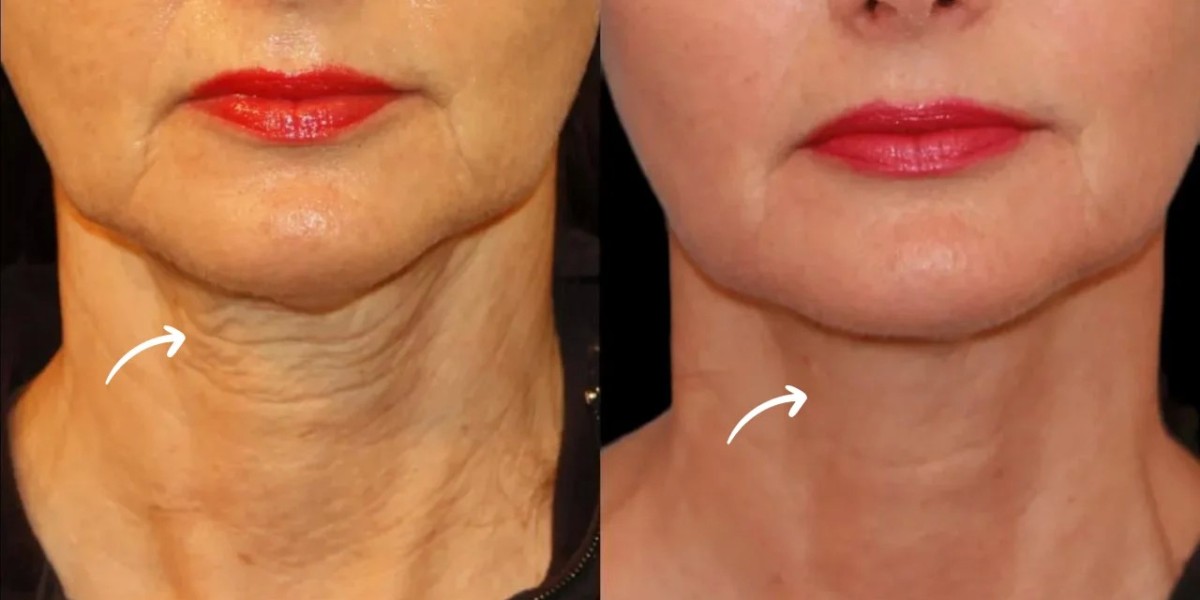

The neck is one of the first areas where visible signs of aging can become noticeable. Fine lines, horizontal creases, reduced skin firmness, and loose skin may gradually affect the appearance of the neck and lower face. Although these changes are a natural part of aging, many people explore aesthetic treatments that may improve skin quality without requiring surgery. One treatment receiving attention for its collagen-stimulating properties is Sculptra.
Unlike conventional fillers that primarily provide immediate volume, Sculptra works by stimulating the body's natural collagen production. This gradual approach makes it an option worth understanding for individuals concerned about certain aspects of skin aging. However, neck rejuvenation requires careful consideration because the skin and underlying structures in this area differ from those of the face.
Understanding how the treatment works, its potential benefits, limitations, and safety considerations is essential before making a decision. Discussions involving Best Plastic Surgeons emphasize the importance of selecting treatments according to individual anatomy, skin condition, and realistic expectations.
Understanding Neck Aging and the Role of Collagen
The neck experiences several changes as the skin ages. Collagen and elastin, which contribute to skin strength and elasticity, gradually decline. As a result, the skin may become thinner, less firm, and more susceptible to visible creasing. Changes in underlying fat distribution and muscle activity can also influence the appearance of the neck.
These changes do not occur equally in everyone. Some individuals primarily develop horizontal lines, while others notice vertical bands, loose skin, or a crepey texture.
Common Neck Concerns
Several aesthetic concerns can contribute to an aged neck appearance:
Horizontal neck lines: These creases may become more noticeable because of repeated neck movements, natural skin aging, and individual anatomical characteristics.
Skin laxity: Reduced collagen and elastin can contribute to loose or less resilient skin.
Crepey texture: Fine wrinkles and thin-looking skin may develop as the skin gradually loses structural support.
Vertical neck bands: The platysma muscle can become more prominent, creating visible vertical lines.
Uneven skin quality: Sun exposure and environmental factors may contribute to pigmentation changes and rough texture.
Identifying the primary concern helps determine whether collagen stimulation is appropriate or whether another treatment would provide a more suitable outcome.
How Sculptra Works for Neck Rejuvenation
Sculptra contains poly-L-lactic acid (PLLA), a biocompatible, biodegradable synthetic material that stimulates collagen production. Rather than functioning primarily as an immediate volume replacement treatment, it encourages gradual changes in the skin's underlying support structure.
When appropriately administered, the treatment initiates a controlled tissue response associated with new collagen formation. Over time, this process may improve the appearance of certain wrinkles and aspects of skin texture.
Understanding the Collagen-Stimulation Process
The treatment generally involves several stages:
Initial injection: A qualified practitioner places the prepared product into carefully selected tissue planes.
Collagen stimulation: The PLLA particles encourage a biological response associated with collagen production.
Gradual improvement: The skin may progressively develop better structural support over subsequent weeks and months.
Treatment assessment: The practitioner evaluates the response and determines whether additional sessions are appropriate.
The gradual nature of this process is important. Sculptra is not intended to create an instant lifting effect, and the final outcome depends on individual tissue characteristics, treatment technique, and the extent of existing skin changes.
Why Collagen Matters for Neck Skin
Collagen provides structural support to the skin. When its natural production declines, the skin may become less firm and develop visible creases. Supporting collagen formation can therefore be relevant to certain signs of aging.
However, collagen stimulation cannot correct every structural concern. Significant excess skin, prominent muscle bands, and substantial tissue descent may require different approaches. A realistic treatment plan should distinguish between skin-quality concerns and deeper anatomical changes.
Best Plastic Surgeons in Dubai Explain Important Neck Treatment Considerations
Choosing an appropriate injectable treatment requires more than identifying visible wrinkles. Best Plastic Surgeons in Dubai consider skin thickness, elasticity, neck anatomy, muscle movement, medical history, and the patient's desired improvements before discussing a procedure.
The neck is a delicate treatment area, so injection depth, product distribution, preparation, and technique are particularly important. A practitioner should also explain whether the proposed use is within the product's approved indications or represents an off-label application.
Why Neck Anatomy Requires Special Attention
Unlike thicker facial areas, neck skin is relatively thin and has different underlying structures. Incorrect product placement or unsuitable treatment planning may increase the likelihood of visible irregularities.
A detailed assessment should consider:
- The degree of skin laxity and fine wrinkling.
- The thickness and quality of the skin.
- Existing vertical muscle bands.
- Previous injectable treatments or surgical procedures.
- Any active skin inflammation or infection.
- Whether collagen stimulation is likely to address the primary concern.
This assessment helps prevent unrealistic expectations and reduces the possibility of selecting an unsuitable treatment.
Is Sculptra Suitable for Every Neck Concern?
No. Sculptra may be considered for selected patients with concerns involving skin quality and mild laxity, but it is not a universal solution for neck aging.
For example, a patient with fine crepey skin may have different treatment needs from someone with pronounced platysmal bands or substantial loose skin. The latter concerns may respond better to other non-surgical or surgical approaches.
A practitioner should explain the available alternatives rather than presenting one injectable as the answer to every concern.
Potential Benefits of Sculptra for Neck Concerns
Sculptra is primarily valued for its collagen-stimulating properties. When used appropriately, potential benefits may include gradual improvements in selected aspects of skin quality.
Gradual Improvement in Skin Texture
Collagen contributes to skin structure and firmness. Supporting collagen production may help improve the appearance of fine wrinkles and uneven skin texture over time.
A Progressive Rather Than Immediate Change
Some people prefer treatments that develop gradually instead of producing a noticeable immediate difference. Because collagen formation takes time, improvements generally become apparent progressively.
An Individualized Rejuvenation Approach
Treatment planning can be adjusted according to the patient's skin condition, anatomy, and response. This allows practitioners to evaluate changes before deciding whether further treatment is necessary.
Understanding the Limitations
It is equally important to recognize what the treatment cannot accomplish. Sculptra does not remove excess skin, directly correct every muscle-related concern, or guarantee a defined jawline. Significant neck sagging may require a surgical assessment.
Best Aesthetic Clinics in Dubai and the Importance of Treatment Planning
Selecting an appropriate aesthetic facility is an important part of any injectable procedure. Best Aesthetic Clinics in Dubai should prioritize professional assessment, product knowledge, patient safety, and transparent discussions about realistic outcomes.
A suitable treatment plan begins with understanding the reason behind the patient's concern. For neck rejuvenation, this means evaluating skin quality and underlying anatomy rather than recommending injections based solely on photographs or general descriptions.
What Should a Patient Evaluate Before Treatment?
Consider the following factors when discussing a procedure:
- Practitioner qualifications: Confirm that the professional has the appropriate licensing, training, and experience for the proposed treatment.
- Product authenticity: Ask about the product being used and its preparation.
- Treatment suitability: Understand why the practitioner considers the treatment appropriate for the neck.
- Potential complications: Discuss possible lumps, nodules, swelling, bruising, and other adverse reactions.
- Follow-up arrangements: Confirm how progress and delayed complications will be assessed.
- Alternative treatments: Ask whether another approach may better address the underlying concern.
A responsible consultation should provide enough information for an informed decision without creating pressure to proceed.
Sculptra Treatment Process: From Consultation to Aftercare
Understanding the treatment process can make it easier to prepare for a consultation and establish realistic expectations.
Initial Consultation
The practitioner reviews the patient's medical history, previous aesthetic procedures, skin condition, and treatment objectives. This is also the stage to discuss allergies, medications, previous reactions to injectable products, and any relevant health concerns.
Treatment Preparation
If treatment is considered appropriate, the practitioner explains the product preparation, injection approach, expected discomfort, and aftercare requirements. The number of sessions depends on the individual's assessment and treatment goals.
Injection Procedure
The prepared product is administered using a technique selected according to the treatment area and individual anatomy. The exact approach should be determined by a qualified practitioner rather than followed as a standard procedure for everyone.
Recovery and Follow-Up
Temporary swelling, tenderness, redness, bruising, and discomfort may occur. Some patients may also develop small lumps beneath the skin. Following the practitioner's aftercare instructions and attending scheduled reviews are important.
Patients should seek prompt medical assessment if they experience unusual or worsening pain, significant skin discoloration, visual symptoms, or other concerning reactions.
Sculptra Clinics in Dubai and Patient Safety Considerations
When evaluating Sculptra Clinics in Dubai, patient safety should remain a priority. The product has established facial aesthetic indications, but its use in the neck is generally considered off-label in the United States. This distinction should be explained during consultation because evidence and regulatory approvals can vary by treatment area and jurisdiction.
Research and expert consensus have discussed the potential use of poly-L-lactic acid for neck rejuvenation. However, the evidence is still developing, and further controlled clinical research is needed to establish standardized protocols and long-term outcomes.
Possible Side Effects and Complications
Potential adverse effects include:
- Temporary swelling and tenderness.
- Redness and bruising around injection sites.
- Injection-related discomfort.
- Small papules or lumps beneath the skin.
- Delayed nodules or inflammatory reactions.
- Rare but serious vascular complications if material enters a blood vessel.
The risk of lumps and nodules deserves particular attention when considering treatment in thin-skinned areas such as the anterior neck. Published medical literature has specifically reported this complication following poly-L-lactic acid injections in the area.
Sculptra should not be used in individuals with known hypersensitivity to its components or a history of keloid formation or hypertrophic scarring. Treatment should also be postponed when there is an active infection or inflammation in the intended area. A full review of the product's safety information is essential before proceeding.
Other Treatment Areas and Their Different Considerations
Although this discussion focuses on neck rejuvenation, poly-L-lactic acid is also discussed in relation to other facial and body aesthetic concerns. These applications should be evaluated separately because injection techniques, tissue characteristics, evidence, and regulatory status differ between treatment areas.
Facial Rejuvenation and Volume-Related Concerns
Facial aging can involve changes in volume, collagen support, and skin texture. Treatments involving sculptra face applications may be considered for selected facial concerns following an anatomical assessment.
For individuals concerned about cheek volume, sculptra cheeks may be discussed as part of a broader facial rejuvenation plan. Similarly, the suitability of sculptra fillers depends on the desired outcome and whether collagen stimulation is appropriate for the specific concern.
The term sculptra dermal filler is commonly used when discussing the product, although its collagen-stimulating mechanism differs from that of conventional hyaluronic acid fillers.
Body-Contouring Applications
Body treatments involving poly-L-lactic acid have also attracted attention, particularly for concerns involving skin texture and selected contour irregularities. Applications described as sculptra for buttocks should be evaluated independently from facial and neck procedures.
Terms such as sculptra buttock injections and buttocks sculptra refer to body-focused applications that may be discussed for selected individuals. Likewise, sculptra for hip dips and sculptra filler for buttocks describe approaches intended to address particular contour concerns.
These applications require careful consideration of the available evidence, practitioner experience, product labeling, and local regulatory requirements. They should not be assumed to have the same established safety profile or approved status as facial applications.
Understanding Sculptra Treatment Costs and Expectations
The overall cost of an injectable procedure depends on several factors, including the number of treatment sessions, product requirements, practitioner expertise, and complexity of the treatment area.
When discussing sculptra cost, patients should request a clear explanation of what the proposed treatment plan includes. The sculptra price should not be the only factor influencing a decision. Product authenticity, professional qualifications, appropriate treatment planning, and follow-up arrangements are equally important.
For neck applications, the expected number of sessions and overall treatment approach should be determined after an in-person assessment. Patients should also understand that additional procedures may be recommended if the primary concern involves excess skin or muscle-related changes rather than collagen loss.
Exploring Sculptra in Dubai With an Informed Approach
People considering sculptra in Dubai should focus on treatment suitability, realistic expectations, and the qualifications of the professional performing the procedure.
At Perfect Doctors Clinic, treatment discussions can be approached through an assessment of individual aesthetic concerns, skin condition, and desired outcomes. Dr. Perfect Celebrity can be referenced in the context of professional aesthetic consultation and treatment planning, with the final recommendation depending on the patient's individual assessment.
Discussions involving Celebrity Doctors in Dubai should also emphasize that professional experience, appropriate licensing, and patient safety matter more than popularity or promotional claims.
For suitable patients, sculptra for neck may be discussed as a collagen-stimulating approach to selected skin-quality concerns. However, the practitioner must first establish whether the treatment is appropriate for the patient's anatomy and explain its off-label status, potential complications, and alternatives.
Conclusion
Sculptra offers an interesting approach to collagen stimulation and gradual skin rejuvenation. For selected individuals, it may help improve certain aspects of neck skin quality, including fine wrinkles and mild textural changes. However, it should not be considered a universal treatment for loose skin, prominent neck bands, or significant tissue sagging.
The most important step is understanding the underlying cause of the concern and determining whether collagen stimulation is an appropriate option. A professional assessment, transparent discussion of off-label use, awareness of possible complications, and realistic expectations all contribute to responsible treatment decisions.
Frequently Asked Questions
1. Can Sculptra Improve the Appearance of Neck Wrinkles?
Sculptra may help improve selected signs of neck aging by stimulating collagen production. Its potential benefits depend on skin condition, anatomy, and treatment technique. It is not guaranteed to correct deep creases or significant skin laxity.
2. How Does Sculptra Differ From Traditional Dermal Fillers?
Traditional hyaluronic acid fillers primarily provide immediate volume or contour correction. Sculptra works through collagen stimulation, so its effects develop gradually rather than producing the same immediate filling effect.
3. Is Sculptra Approved for Neck Rejuvenation?
In the United States, the established product indications include specific facial applications, not neck rejuvenation. Neck treatment is generally considered off-label. Patients should discuss local regulatory requirements and available clinical evidence with their practitioner.
4. How Long Does It Take to See Sculptra Results?
Improvements develop gradually as collagen production increases. The timeline varies between individuals, and results should be evaluated during follow-up appointments rather than immediately after injection.
5. Can Sculptra Treat Vertical Neck Bands?
Sculptra does not directly relax the platysma muscle responsible for many vertical neck bands. A practitioner should determine whether the concern is related to muscle activity, skin quality, or another anatomical factor before recommending treatment.
6. What Are the Most Common Side Effects of Sculptra?
Common side effects include swelling, redness, tenderness, bruising, and discomfort. Small papules or lumps may also develop. Rare but serious complications include vascular injury, making appropriate injection technique essential.
7. Is Sculptra Suitable for Every Skin Type?
Suitability depends on individual health, skin condition, medical history, and treatment objectives. Certain allergies and a history of keloid or hypertrophic scarring may make the treatment unsuitable.
8. Can Sculptra Be Combined With Other Neck Treatments?
In selected cases, different treatments may address separate aspects of neck aging. However, the timing and combination should be determined by a qualified practitioner after assessing skin quality, muscle activity, and previous procedures.
9. Does Sculptra Provide the Same Results as a Neck Lift?
No. Sculptra stimulates collagen and may improve selected skin-quality concerns, whereas a surgical neck lift addresses excess skin and underlying structural changes. The appropriate option depends on the degree of aging and the patient's objectives.
10. What Should I Discuss During a Sculptra Consultation?
Discuss your primary concerns, medical history, previous aesthetic treatments, expected results, potential complications, product indications, and available alternatives. It is also important to ask whether the proposed treatment is off-label and how follow-up care will be managed.