
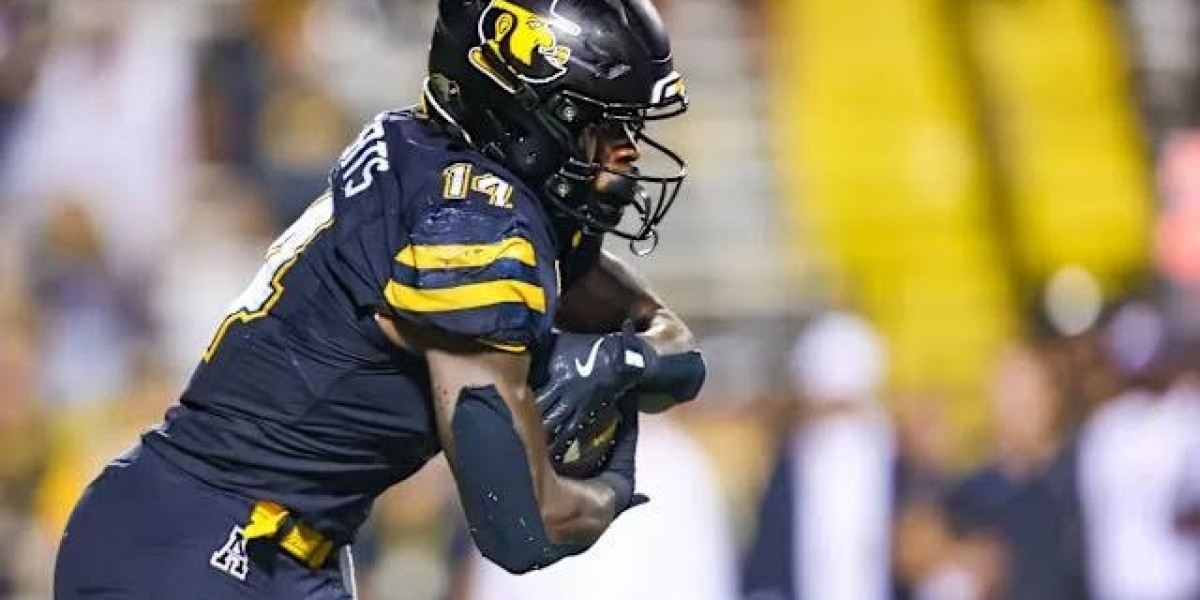

Sideline outs are among the clearest tests of timing-based catching in College Football 27. On second-and-six, the receiver must protect the boundary while securing the ball quickly, and players who want to manage their roster upgrades with College Football 27 Coins should also understand how catch inputs interact with route spacing, defender leverage, and player ratings.
Possession and run-after-catch attempts can produce very different results on the same play. The route, pass velocity, receiver alignment, and available grass remain constant, but the selected input changes how aggressively the receiver attacks the ball and how quickly he prepares for contact near the sideline.
Reading the Out Route Before the Pass Arrives
Start with a receiver aligned several yards inside the numbers and send him on a sharp out route. As the quarterback begins his throwing motion, watch the cornerback rather than the receiver. If the defender is closing from inside, the pass may arrive with little room to turn upfield, making control of the catch animation especially important.
For a possession attempt, hold the catch input as the pass travels and release it just before the ball reaches the receiver. This creates a clear timing point for review. A controlled release often keeps the receiver focused on securing the ball instead of immediately turning toward open space.
Comparing Possession and Run-After-Catch Inputs
Repeat the play with a run-after-catch input while keeping the quarterback, route, and defensive alignment unchanged. The receiver may attack the pass more aggressively and transition toward the field sooner, which can add extra yards when the defender is trailing from behind.
That extra movement also creates more risk near the boundary. If the receiver catches the ball with both feet close to the sideline, a run-after-catch choice may produce a faster step but leave less margin for balance. Review several attempts instead of judging the result from one animation.
Using Replay to Diagnose the Result
Replay is most useful when viewed frame by frame from an overhead angle. A late input usually appears as a delayed catch response after the ball has already entered the receiver's reach. By contrast, a well-timed input can still fail when the throw leads the receiver too far toward the boundary.
Check the receiver's final step, the ball's arrival point, and the defender's shoulder position. If the receiver has room inside but drifts outward, the issue is likely input timing or body control. If the pass lands beyond the receiver's safe catch area, changing the catch type will not fully solve the problem.
How Catch in Traffic Changes the Window
Use two receivers with noticeably different Catch in Traffic ratings and repeat the same sequence under tighter coverage. The stronger player should remain more stable when contact begins before the ball arrives, giving the user a slightly larger timing window for a secure reception.
The lower-rated receiver may require a cleaner separation point and more precise release timing. This does not make possession catching universally superior, but it makes the safer choice more valuable when the defender reaches the play at the same moment as the pass.
For consistent sideline conversions, identify the defender's leverage first, hold the selected input through the ball's flight, and release just before contact with the receiver. Practice both options with different ratings, then use NCAA Football 27 Coins only as part of a broader roster plan that supports the receiving style you prefer.


Mga Sikat na Post
-
 Hoodie Bundle Sale
Sa pamamagitan ng Starlet Leathers
-
 Hoodie Bundle Sale
Sa pamamagitan ng Starlet Leathers
-
 Hoodie Bundle Sale
Sa pamamagitan ng Starlet Leathers
-
 From Real Data to Synthetic Data: The New Era of AI Image Data Collection
Sa pamamagitan ng Vanshika Maurya
-
 ボッテガ・ヴェネタ財布の保証:知っておくべきこと
Sa pamamagitan ng author1111


