
A damaged or infected tooth can affect more than your smile. Persistent pain, sensitivity, and difficulty chewing may interfere with daily activities and reduce your comfort. When dental decay or an injury reaches the soft tissue inside a tooth, professional treatment may be necessary to prevent further complications. Root canal therapy offers a way to treat the infection while preserving the natural tooth whenever possible.
Modern endodontic care focuses on removing damaged tissue, cleaning the root canals, and restoring the tooth's function. With an appropriate diagnosis and treatment plan, patients may be able to keep a tooth that might otherwise require extraction. Root Canal Treatment in Islamabad provides an option for individuals seeking professional care for infected or severely damaged teeth.
Understanding How Root Canal Care Saves Damaged Teeth
Every tooth contains an inner area called the dental pulp. It consists of nerves, blood vessels, and connective tissue. Although the pulp helps a tooth develop, a fully developed tooth can continue functioning after the pulp is removed, provided the tooth is properly treated and restored.
Deep decay, cracks, or dental injuries can allow bacteria to reach the pulp. This may cause inflammation or infection, resulting in pain and other symptoms.
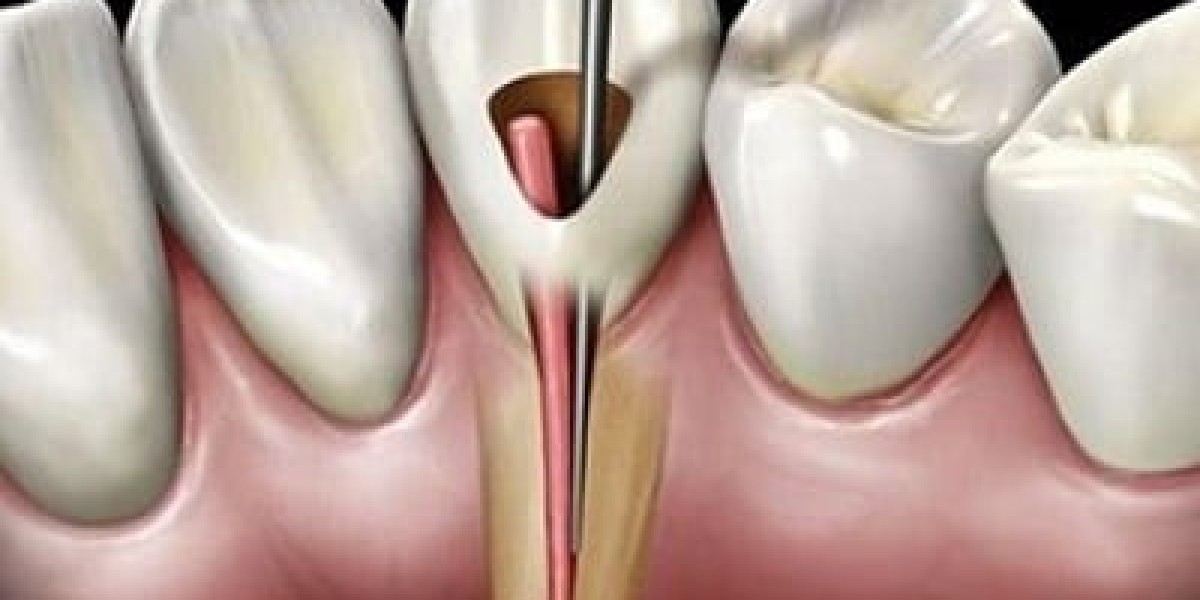
During root canal treatment, the dentist removes the affected pulp, cleans the internal canals, and seals them with suitable material. A filling or crown is then used to restore the tooth, depending on how much healthy structure remains.
Common Reasons a Tooth Becomes Damaged
Different dental conditions can affect the inner tissues of a tooth. Understanding these causes can help patients recognize when professional care may be needed.
Advanced Tooth Decay
Untreated cavities can gradually move through the protective layers of a tooth. When bacteria reach the pulp, infection or inflammation may develop.
Cracked or Fractured Teeth
A tooth may crack because of an accident, injury, or biting hard objects. Even a small crack can allow bacteria to enter and affect the pulp.
Dental Injuries
An impact to the mouth may damage the inner tissues of a tooth, even when no obvious fracture is visible.
Repeated Dental Procedures
A tooth that has received several treatments may sometimes experience irritation or damage to its pulp.
Deep Infection
An untreated infection can spread toward the root tip and surrounding tissues, making timely dental assessment important.
Warning Signs That Should Not Be Ignored
Recognizing symptoms early can help patients seek treatment before a dental problem becomes more complicated. Possible signs of pulp damage include:
Persistent or recurring toothache.
Sensitivity to hot or cold foods that lingers.
Pain when biting or chewing.
Swelling or tenderness around the gums.
Darkening or discoloration of a tooth.
A small pimple-like swelling near the affected tooth.
Some infected teeth may not cause noticeable pain. Regular dental examinations can help identify problems that might otherwise remain undetected. A dentist may use clinical tests and X-rays to determine whether root canal treatment is appropriate.
Step-by-Step Process of Root Canal Treatment
The treatment process is planned according to the tooth's condition and root structure. It generally includes the following stages.
1. Initial Dental Examination
The dentist reviews the patient's symptoms, examines the affected tooth, and may take X-rays to assess the roots and surrounding bone.
2. Local Anesthesia
Local anesthesia is usually administered to numb the treatment area and improve comfort during the procedure.
3. Accessing the Inner Tooth
A small opening is created in the tooth to reach the pulp chamber and root canals.
4. Removing Damaged Tissue
The infected or inflamed pulp is carefully removed using appropriate dental instruments.
5. Cleaning and Disinfection
The canals are cleaned, shaped, and disinfected to remove bacteria and prepare them for sealing.
6. Filling and Restoring the Tooth
The cleaned canals are filled with a suitable material and sealed. A permanent filling or crown may then be recommended to restore the tooth's strength and function.
Benefits of Preserving Your Natural Tooth
When a damaged tooth can be successfully restored, root canal treatment offers several potential benefits:
Helps retain the natural tooth structure.
Removes infected or damaged pulp tissue.
Can relieve discomfort associated with pulp infection.
Supports normal chewing and speaking.
Helps maintain the alignment of neighboring teeth.
May prevent the need for extraction.
The success of treatment depends on the extent of the damage, the remaining tooth structure, and the quality of the final restoration. A dentist will assess these factors before recommending treatment.
Recovery and Aftercare for Better Results
Some tenderness or mild discomfort may occur after treatment, especially when biting. This generally improves over time. Patients should follow the dentist's instructions and take any recommended medication as directed.
To protect the treated tooth:
Avoid chewing hard foods on it until the permanent restoration is complete.
Brush twice daily with a soft-bristled toothbrush.
Floss regularly to keep the surrounding gums clean.
Attend follow-up appointments.
Complete the recommended filling or crown treatment.
Contact your dentist if pain becomes worse, swelling develops, or symptoms do not improve. Prompt review can help identify whether additional care is needed.
Choosing Professional Root Canal Treatment in Islamabad
Selecting a qualified dental professional is important for receiving suitable endodontic care. Patients should consider the dentist's experience, clinic hygiene standards, diagnostic methods, and ability to explain treatment options clearly.
During a consultation for Root Canal Treatment in Islamabad, the dentist can examine the affected tooth and discuss whether it can be preserved. Patients can also ask about the expected number of visits, restoration options, possible risks, and aftercare requirements.
Conclusion
A damaged tooth does not always need to be removed. Root canal therapy can help treat infection inside the tooth while preserving its remaining natural structure. With timely diagnosis, professional treatment, and proper restoration, patients can regain dental function and protect their smiles. Regular checkups and good oral hygiene remain essential for maintaining long-term results.
Frequently Asked Questions
1. Can Root Canal Treatment in Islamabad save a severely damaged tooth?
Root Canal Treatment in Islamabad may save a severely damaged tooth if enough healthy structure remains to support a restoration. A dentist must examine the tooth before confirming its suitability.
2. Is Root Canal Treatment in Islamabad performed under local anesthesia?
Yes, Root Canal Treatment in Islamabad is generally performed using local anesthesia to numb the affected area and improve comfort during the procedure.
3. Will my tooth look normal after Root Canal Treatment in Islamabad?
After Root Canal Treatment in Islamabad, a suitable filling or crown can restore the tooth's shape and appearance. The recommended restoration depends on the amount of remaining tooth structure.
4. How can I maintain results after Root Canal Treatment in Islamabad?
To maintain results after Root Canal Treatment in Islamabad, brush and floss regularly, complete the recommended restoration, avoid excessive pressure on the treated tooth, and attend routine dental checkups.
For more information visit
Enfield royal clinic in islamabad