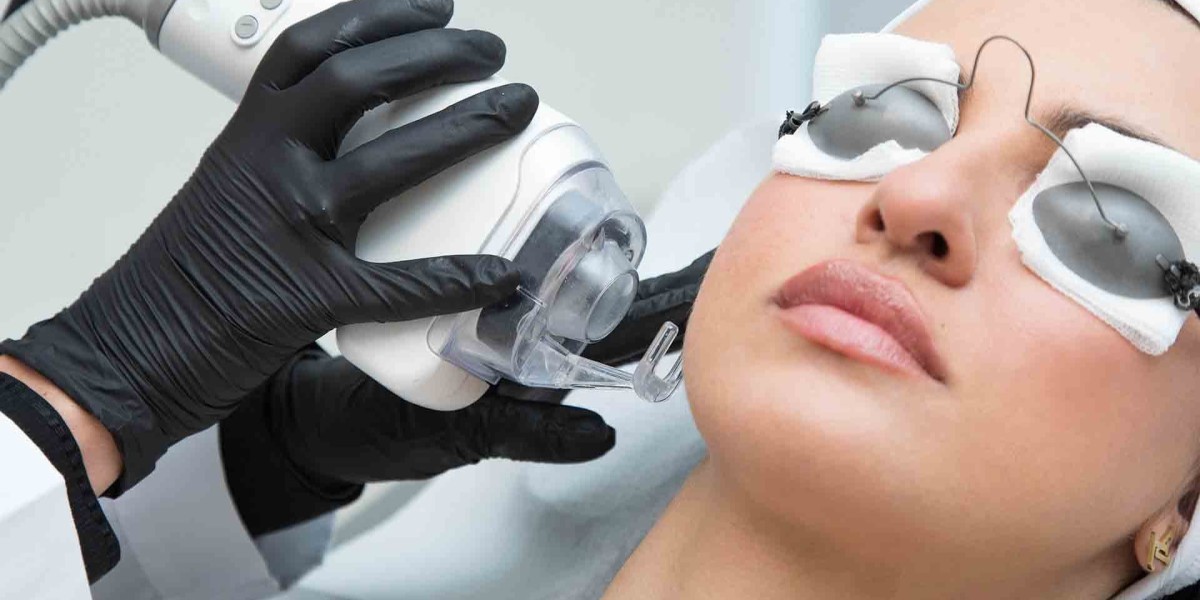

Skin texture plays an important role in the overall appearance and smoothness of the face. Uneven skin, acne scars, enlarged pores, fine lines, and rough patches can affect how healthy and refreshed the skin looks. These concerns often develop gradually due to ageing, sun exposure, acne, and changes in collagen production. Modern aesthetic technology offers several ways to address these imperfections, with Fractional CO2 Laser Treatment in Dubai being a popular option for improving skin texture and encouraging natural skin renewal. By targeting specific areas of the skin, this advanced laser procedure helps stimulate collagen production and supports a smoother, more refined complexion.
Understanding Fractional CO2 Laser Technology
Fractional CO2 laser technology is an advanced skin resurfacing approach designed to improve visible skin imperfections. It uses controlled laser energy to create microscopic treatment zones within the skin while leaving surrounding tissue intact. These untreated areas support the natural healing process and help the skin recover.
Unlike traditional resurfacing methods that treat larger continuous areas, fractional technology focuses on small sections of the skin. This approach encourages renewal without removing the entire surface layer. As the treated areas heal, the skin gradually develops a smoother appearance and more even texture.
The treatment can be considered for different concerns, including acne scars, fine lines, rough skin, enlarged pores, and certain types of uneven pigmentation.
How Does Fractional CO2 Laser Treatment Improve Skin Texture?
The main purpose of fractional laser resurfacing is to encourage the skin's natural repair mechanisms. By delivering controlled energy into targeted areas, the procedure supports collagen remodelling and the replacement of damaged surface cells.
Stimulates Natural Collagen Production
Collagen is an essential structural protein that helps maintain skin firmness, elasticity, and smoothness. As people age, natural collagen production gradually decreases, which can contribute to fine lines, loose-looking skin, and uneven texture.
Fractional laser energy creates controlled thermal stimulation beneath the skin's surface. This process activates the body's natural healing response and encourages new collagen formation.
Over time, increased collagen activity can help improve skin firmness, soften certain textural irregularities, and create a more refined appearance. Results develop gradually as the skin continues its natural renewal process.
Reduces the Appearance of Acne Scars
Acne scars can leave the skin with uneven depressions, rough patches, and visible irregularities. These marks may remain long after active acne has disappeared, making the complexion appear less smooth.
Fractional CO2 laser resurfacing can help improve the appearance of selected atrophic acne scars by stimulating collagen remodelling in the affected areas. As the skin repairs itself, some depressed scars may become less noticeable and the surrounding texture can appear more even.
The level of improvement depends on the type, depth, and severity of the scars. Deeper or more complex scarring may require multiple sessions or a combination of professional treatments.
Smooths Fine Lines and Surface Irregularities
Fine lines can develop due to repeated facial expressions, reduced collagen production, and environmental exposure. These changes may make the skin appear rough or aged.
Fractional laser resurfacing encourages surface renewal and stimulates collagen beneath the skin. This combination can help soften the appearance of fine lines and improve overall smoothness.
The treatment may be particularly useful for areas where early signs of ageing are accompanied by rough texture or superficial skin damage. Individual outcomes vary according to skin condition and treatment settings.
Refines Enlarged Pores
Enlarged pores can make the complexion appear uneven, especially around the nose, cheeks, and forehead. Excess oil production, reduced skin elasticity, and accumulated skin damage can contribute to their appearance.
By supporting collagen production and improving the surrounding skin structure, fractional laser resurfacing may help make enlarged pores less noticeable. As the skin becomes smoother and more refined, the overall appearance of the complexion can improve.
However, pore size is influenced by several factors, and the treatment does not permanently eliminate pores.
Encourages Skin Renewal
The skin naturally sheds old surface cells and replaces them with new ones. However, this process can become less efficient with age, environmental damage, and certain skin conditions.
Fractional laser treatment supports this renewal process by creating controlled micro-injuries that activate the body's repair response. As the treated skin heals, damaged surface cells are replaced, helping improve roughness and uneven texture.
This renewal process can contribute to a fresher, healthier-looking complexion.
Which Skin Concerns Can Benefit from Fractional CO2 Laser Resurfacing?
Fractional laser resurfacing may be considered for individuals experiencing several common skin texture concerns. Its suitability depends on skin type, medical history, and the nature of the imperfections.
Acne Scarring and Uneven Skin
People with depressed acne scars or irregular skin surfaces may benefit from collagen stimulation. The procedure can help soften selected scars and improve the overall appearance of uneven areas.
Fine Lines and Early Signs of Ageing
Individuals noticing fine lines, roughness, and reduced skin firmness may explore laser resurfacing as part of a professional skin rejuvenation plan.
Sun-Damaged Skin
Long-term exposure to ultraviolet radiation can contribute to rough texture, uneven pigmentation, and visible signs of premature ageing. Fractional resurfacing may improve selected surface irregularities associated with sun damage.
Rough and Dull Complexion
A buildup of damaged surface cells can make the complexion appear dull and uneven. Controlled resurfacing encourages skin renewal and can help create a smoother-looking surface.
What Happens During a Fractional CO2 Laser Session?
Understanding the treatment process can help individuals feel more prepared before considering laser resurfacing.
Initial Skin Assessment
The process begins with an evaluation of the skin's condition, texture, and specific concerns. Skin type, previous treatments, medical history, and expectations are important factors when determining whether laser resurfacing is appropriate.
Skin Preparation
The treatment area is cleansed to remove impurities and surface products. A suitable topical numbing cream may be applied to improve comfort during the procedure.
Laser Application
The laser device delivers controlled energy across the selected treatment areas. The intensity and coverage are adjusted according to the individual's skin condition and treatment goals.
Skin Recovery
Following the procedure, the skin may appear red, swollen, or feel sensitive. Temporary peeling and crusting can also occur as the treated areas heal. Recovery time varies depending on the treatment intensity and individual skin response.
How Long Does It Take to Notice Skin Texture Improvements?
Skin texture improvements do not happen immediately because collagen remodelling and tissue renewal require time. During the initial recovery period, the skin focuses on healing the treated areas.
As the healing process progresses, the complexion may gradually appear smoother and more even. Collagen production continues over the following weeks and months, allowing improvements to develop progressively.
Some individuals may notice meaningful changes after one session, while others may require multiple treatments to address more pronounced concerns. The appropriate treatment schedule depends on the skin's response and professional assessment.
Important Considerations Before Choosing Laser Resurfacing
Although fractional laser resurfacing can offer noticeable skin improvements, it is important to understand its limitations and potential risks.
The procedure may cause temporary redness, swelling, discomfort, peeling, and increased sensitivity. Less commonly, complications such as infection, scarring, prolonged redness, or changes in skin pigmentation can occur.
Individuals with darker skin tones may have a higher risk of post-inflammatory hyperpigmentation, depending on their skin characteristics and treatment settings. Those with active skin infections, certain inflammatory conditions, or a history of abnormal scarring may need additional assessment.
A qualified professional should evaluate the skin before treatment and explain the expected recovery process. Following personalised instructions, protecting the skin from sun exposure, and avoiding irritating skincare products during recovery are important for supporting healing.
Maintaining Smoother Skin After Treatment
Maintaining the results of laser resurfacing involves consistent skincare habits and appropriate sun protection.
Follow a Gentle Skincare Routine
Use mild cleansing products and suitable moisturisers to support the skin barrier during recovery. Avoid harsh exfoliants, strong active ingredients, and irritating treatments until the skin has healed and professional guidance allows their use.
Protect the Skin from Sun Exposure
Daily broad-spectrum sunscreen is essential for protecting newly treated skin. Limiting direct sun exposure and using protective clothing can also help reduce the risk of pigmentation changes.
Maintain Consistent Skin Care
A balanced skincare routine helps maintain skin hydration and supports a healthier-looking complexion. Products should be selected according to individual skin needs and professional recommendations.
Why Professional Assessment Matters for Better Results
Every individual's skin has different characteristics, concerns, and healing responses. Selecting the appropriate laser settings and treatment approach requires an understanding of skin anatomy, resurfacing techniques, and potential complications.
A professional assessment helps determine whether laser resurfacing is suitable and whether alternative or complementary treatments may provide better results. Personalised treatment planning also helps establish realistic expectations regarding recovery time, the number of sessions, and the degree of improvement.
Choosing an appropriate treatment approach is essential for achieving balanced, natural-looking skin rejuvenation while prioritising skin safety.
Book Us
Achieving smoother, healthier-looking skin begins with selecting an appropriate treatment and receiving professional guidance. Individuals exploring advanced skin rejuvenation can discover how Fractional CO2 Laser Treatment may help address acne scars, fine lines, roughness, and uneven skin texture. Enfield Royal Clinic Dubai offers professional aesthetic services with an emphasis on personalised treatment planning and individual skin concerns. Book a consultation at Enfield Royal Clinic Dubai to explore suitable skin resurfacing options and take the next step towards a smoother, more refined complexion.