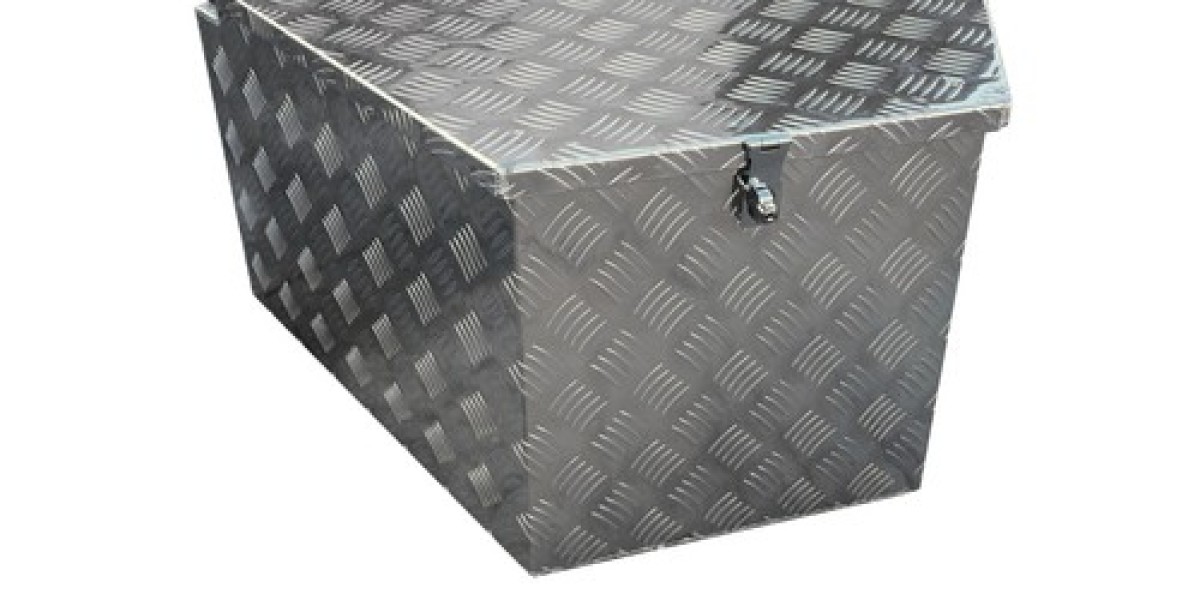

Whether used for camping adventures, commercial transport, or everyday hauling, a trailer needs more than just sufficient loading space. Keeping essential equipment organised and accessible can make every journey more convenient. From recovery gear and maintenance tools to outdoor accessories and spare parts, having a dedicated storage area helps prevent smaller items from becoming mixed with larger cargo. A well-designed Trailer Tool Box offers a practical way to create organised storage while making better use of available trailer space.
Why Dedicated Trailer Storage Matters
Trailers often carry a wide variety of equipment. Camping trailers may contain cooking accessories, repair kits, lighting equipment, and outdoor supplies, while work trailers might transport hand tools, fasteners, safety gear, and maintenance essentials.
Without dedicated storage, these items can become difficult to locate. Loose equipment may also move around during transportation, creating unnecessary clutter and potentially damaging other cargo.
A dedicated toolbox provides a separate compartment for suitable smaller items. This makes it easier to organise equipment according to its purpose and keep the main trailer area available for larger loads.
For people who travel regularly, a more structured storage arrangement can simplify preparation before departure and make equipment easier to access when needed.
The Advantages of Aluminium Trailer Toolboxes
Material selection plays an important role in choosing trailer storage equipment. Aluminium is commonly used for toolboxes because it offers a combination of relatively low weight, practical durability, and natural corrosion resistance.
Its lightweight characteristics can be particularly useful for trailers, where additional accessory weight contributes to the overall load being towed. Aluminium also forms a naturally protective oxide layer that helps resist corrosion in many everyday environments.
Other considerations include:
Weight efficiency: Aluminium can help limit unnecessary accessory weight.
Corrosion resistance: Its natural surface properties make it suitable for many outdoor applications.
Versatile construction: Aluminium can be fabricated into different sizes and configurations.
Practical appearance: Its finish provides a clean, professional look.
Everyday usability: A suitable design can provide convenient storage for frequently used equipment.
However, actual performance depends on the material grade, thickness, fabrication quality, fittings, and environmental conditions. Buyers should review individual product specifications before making a decision.
Choosing Storage for Camping and Outdoor Adventures
Camping trips often require more equipment than people initially expect. Recovery accessories, portable lighting, repair supplies, ropes, cooking tools, and other essentials can quickly occupy valuable trailer space.
A dedicated storage compartment helps keep these smaller items together instead of spreading them throughout the main cargo area.
For outdoor enthusiasts, organisation can also make campsite preparation more straightforward. Equipment can be grouped according to its purpose, allowing users to retrieve what they need without unpacking unrelated belongings.
When selecting a storage solution for a camping trailer, consider the types of accessories being carried, the available mounting area, and how frequently the compartment will be accessed.
It is also important to think about exposure to dust, rain, road spray, and changing temperatures. Check the manufacturer's specifications for sealing and weather-resistance details rather than assuming every toolbox provides the same level of environmental protection.
Important Features to Consider Before Buying
A toolbox should suit both the trailer and the equipment it is expected to carry. Comparing a few practical details before purchasing can help avoid compatibility and installation problems.
1. Dimensions and available space
Measure the intended installation area carefully. Check the width, height, and depth, while allowing sufficient room for doors, hinges, and surrounding trailer components.
2. Storage capacity
Consider the size and quantity of equipment you regularly transport. A compartment should provide enough usable space without unnecessarily reducing the trailer's loading area.
3. Material and construction
Review the material specifications, panel thickness, joins, and overall construction. These details can help determine whether a particular model suits its intended application.
4. Locking arrangements
If the toolbox will contain valuable equipment, consider its locking mechanism and the security features provided by the manufacturer.
5. Mounting compatibility
Check the installation requirements, available mounting points, and whether additional brackets or fittings are needed.
6. Accessibility
Think about where the toolbox will be positioned and whether its opening mechanism allows convenient access when the trailer is connected to a vehicle.
Keeping Trailer Equipment Protected and Organised
A toolbox is useful only when it supports a sensible storage routine. Placing frequently used equipment near the front of a compartment or grouping similar items together can make access easier.
For example, a camping enthusiast might keep repair supplies in one section and general accessories in another. A tradesperson could separate measuring tools, hand tools, and small replacement components.
Using smaller organisers inside the compartment can further improve accessibility. It also helps prevent loose items from shifting around during travel.
Although a toolbox can provide an additional layer of protection, equipment should still be stored appropriately. Heavy objects need to be secured, and the compartment should never be loaded beyond its rated capacity.
Maintenance for Long-Term Usability
Trailer storage equipment is regularly exposed to outdoor conditions, road vibration, dust, and moisture. Basic maintenance can help preserve its appearance and functionality.
A practical maintenance routine includes:
Cleaning external surfaces to remove accumulated dirt and road grime.
Checking hinges, handles, and locking mechanisms for smooth operation.
Inspecting mounting hardware and fasteners for signs of loosening.
Looking for dents, cracks, or damage around joins and fittings.
Checking seals where fitted and following the manufacturer's care instructions.
Making sure stored equipment remains secure during transportation.
Regular inspections are particularly useful for trailers that travel frequently or operate in demanding environments.
Building a More Functional Trailer Setup
A well-organised trailer can make a noticeable difference to work activities and recreational travel. Dedicated storage helps separate smaller essentials from larger cargo, reduces clutter, and makes preparation more efficient.
The ideal setup depends on the trailer's dimensions, its intended use, the weight of the equipment being carried, and the owner's accessibility requirements. Buyers should also consider towing capacity, axle ratings, and safe load distribution when adding accessories.
For anyone looking to improve trailer organisation, exploring a suitable Trailer Tool Box is a practical starting point. With careful attention to construction, dimensions, mounting compatibility, and storage needs, the right solution can help create a cleaner, more organised, and more versatile trailer for everyday work and outdoor adventures.