
Cheek enhancement is a popular cosmetic treatment for people who want fuller cheeks, improved facial balance, and a more defined appearance. As people age, the face may lose volume, making the cheeks look flatter or less lifted. Some people naturally have less cheek volume, while others want to improve their facial contours. There are different ways to achieve these goals, including injectable fillers and surgical procedures.
Cheek Fillers in Dubai offer a non-surgical option for people who want to add volume to their cheeks without undergoing an operation. Surgical options, such as cheek implants and fat transfer, may provide different types of results depending on the person's facial structure and treatment goals. Understanding the differences can help individuals make an informed decision.
At Altaderma Clinic, patients can discuss their facial aesthetic goals with a qualified practitioner and learn about suitable treatment options. The right approach depends on facial anatomy, desired results, medical history, budget, and recovery preferences.
Understanding Cheek Fillers in Dubai and Their Benefits
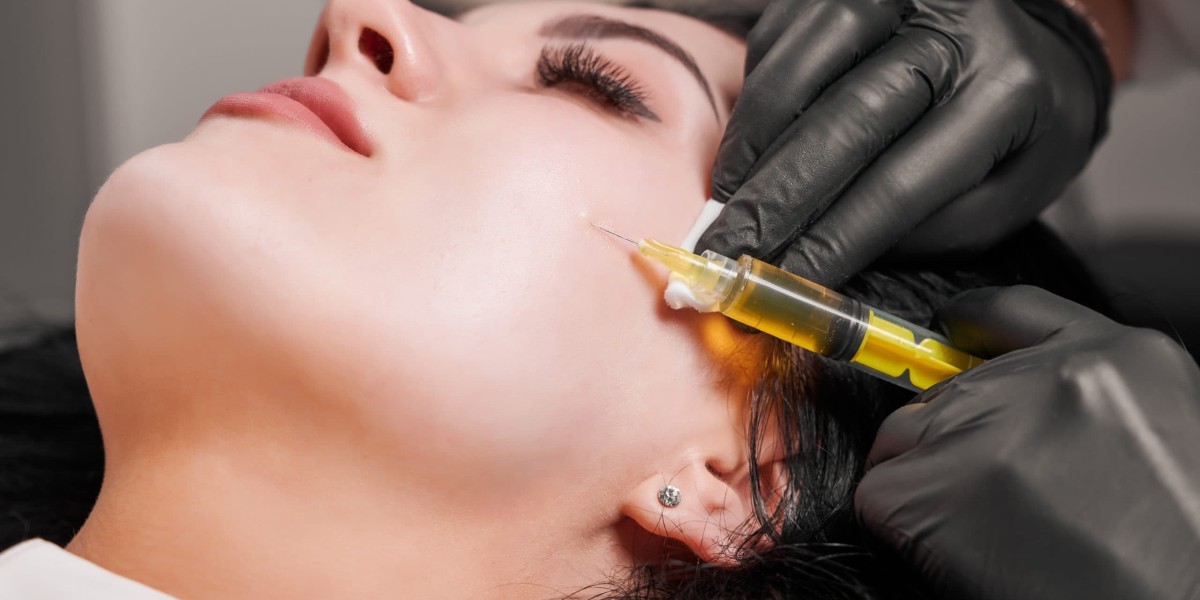
Cheek fillers are injectable treatments designed to restore or add volume to the cheek area. Many fillers use hyaluronic acid, a substance that naturally occurs in the body and helps retain moisture. These fillers can improve cheek definition, create a fuller appearance, and soften the appearance of certain facial lines.
One reason people consider Cheek Fillers in Dubai is that the treatment usually does not require surgery or general anaesthesia. Depending on the product and the treatment plan, the procedure may take approximately 20 to 45 minutes.
How Cheek Fillers Improve Facial Contours
Cheek fillers can be placed in specific areas to improve facial proportions. A practitioner may use filler to enhance the cheekbones, restore lost volume, or create a subtle lifting effect in the midface.
The goal is not always to make the cheeks look larger. In many cases, a small amount of carefully placed filler can create a balanced appearance. Treatment should be planned according to the person's facial structure rather than following a particular trend.
Who May Consider Cheek Fillers?
Cheek fillers may be suitable for adults who want to address mild to moderate volume loss or improve cheek definition without surgery. They may also be considered by people who naturally have flatter cheeks.
However, fillers are not suitable for everyone. A qualified practitioner should review the patient's medical history, skin condition, previous cosmetic treatments, and expectations before recommending treatment.
What Are Surgical Cheek Enhancement Options?
Surgical cheek enhancement involves procedures that change cheek volume or structure through an operation. Two common options are cheek implants and fat transfer.
Unlike injectable fillers, surgical procedures involve incisions, tissue manipulation, or the transfer of fat. They may be considered by people seeking a more lasting change, although results, risks, and recovery periods vary.
Cheek Implants for Long-Term Definition
Cheek implants are medical devices placed surgically to increase cheek projection. They are often made from materials designed for implantation and are selected according to the patient's facial anatomy and treatment goals.
The procedure typically involves incisions inside the mouth or in another appropriate location, depending on the surgical technique. Recovery may include swelling, bruising, discomfort, and temporary changes in sensation.
Cheek implants can provide long-lasting structural enhancement, but they also carry surgical risks. These may include infection, implant displacement, asymmetry, and the possible need for revision surgery.
Fat Transfer for Natural-Looking Volume
Fat transfer, also called fat grafting, uses fat collected from another part of the patient's body. The fat is processed and injected into the cheeks to improve volume and contour.
This procedure uses the patient's own tissue, which may appeal to people who prefer not to have synthetic filler or an implant. However, not all transferred fat survives. Some of the injected fat may be absorbed by the body, and the final result can be less predictable than expected.
Fat transfer is a surgical procedure and may require a longer recovery than injectable fillers. The suitability of this option depends on the patient's available fat, health, anatomy, and desired outcome.
Cheek Fillers vs Surgical Options: Key Differences
Both fillers and surgery can improve cheek volume, but they differ in how they are performed, how long results last, and what recovery involves.
Procedure and Treatment Time
Cheek fillers are injected into selected areas using a fine needle or cannula, depending on the treatment plan. The procedure is generally performed in a clinical setting and usually allows patients to return to many regular activities relatively quickly.
Surgical cheek enhancement requires an operation. The procedure may involve anaesthesia, incisions, and post-operative care. Patients need to follow their surgeon's instructions carefully during recovery.
Results and Longevity
Hyaluronic acid cheek fillers are temporary. Their effects often last around 6 to 18 months, although the duration depends on the product, injection site, amount used, and individual metabolism.
Cheek implants can provide long-term structural enhancement but may require removal or revision if complications occur or the patient's preferences change. Fat transfer can produce lasting results in the fat that survives, although the amount retained varies.
No treatment can guarantee permanent, perfectly symmetrical results. Natural ageing and changes in body weight may also affect facial appearance over time.
Recovery and Downtime
After cheek fillers, mild swelling, tenderness, bruising, or temporary unevenness may occur. Many people resume normal activities soon after treatment, but the practitioner may recommend avoiding strenuous exercise and unnecessary pressure on the treated area for a short period.
Surgical procedures generally require more recovery time. Swelling and bruising can last for several weeks, and the final appearance may take longer to settle. Patients must attend follow-up appointments and follow post-operative instructions.
Risks and Safety Considerations
Fillers can cause swelling, bruising, lumps, infection, and asymmetry. Rare but serious complications include accidental injection into a blood vessel, which can cause tissue damage and, in exceptional cases, vision loss.
Surgery carries risks associated with anaesthesia, infection, bleeding, scarring, changes in sensation, and the possibility of an unsatisfactory result.
Both options require a qualified medical professional with appropriate training. Patients should discuss the benefits, limitations, and risks before choosing a procedure.
Cheek Fillers Cost in Dubai Compared With Surgery
Cost is an important consideration when comparing non-surgical and surgical cheek enhancement. The total expense depends on the treatment method, provider's qualifications, amount of product required, and complexity of the procedure.
The Cheek Fillers cost in Dubai can vary between clinics because different products, treatment plans, and levels of clinical expertise may be involved.
Factors Affecting Cheek Fillers Cost in Dubai
Several factors can influence the price of cheek filler treatment:
- Type of filler: Different approved filler products may have different prices.
- Amount required: Some patients need a small amount, while others require more product to achieve their goals.
- Practitioner's experience: Training, qualifications, and clinical expertise can influence treatment fees.
- Treatment complexity: The number of injection points and the desired level of correction may affect the overall cost.
- Follow-up care: Some treatment plans may include review appointments or additional services.
Patients should ask what is included in the quoted price and whether any follow-up treatment would involve extra fees.
How Surgical Costs Compare
Cheek implants and fat transfer generally involve different expenses from injectable fillers. Surgical costs may include the surgeon's fee, anaesthesia, facility charges, medical assessments, and post-operative care.
Although fillers may have a lower initial cost, repeated treatments can add up over time. Surgery may involve a higher upfront expense but can offer longer-lasting changes. The overall financial value depends on the procedure, individual results, and any future maintenance or revision needs.
When comparing Cheek Fillers cost in Dubai with surgical treatment costs, patients should consider safety, expected longevity, recovery, and the possibility of additional procedures rather than choosing based on price alone.
How to Choose Between Cheek Fillers and Surgery
The choice between fillers and surgery depends on personal preferences, facial anatomy, and the type of change a patient wants.
When Cheek Fillers May Be Appropriate
Fillers may be worth considering if a person wants:
- A non-surgical approach to cheek enhancement.
- Subtle improvement in cheek volume or definition.
- Minimal downtime compared with surgery.
- Temporary results that can be reassessed over time.
- An option that may be adjustable or reversible when an appropriate hyaluronic acid filler is used.
Hyaluronic acid fillers can sometimes be dissolved with an enzyme called hyaluronidase. However, reversal is not guaranteed to be straightforward, and dissolving filler also has risks. Patients should not view fillers as entirely risk-free or easily reversible in every situation.
When Surgery May Be Considered
Surgical treatment may be discussed with a qualified surgeon if a person wants a more substantial structural change or longer-lasting cheek projection. It may also be relevant when a patient's goals cannot be achieved appropriately with filler alone.
Surgery is not automatically better for people seeking permanent results. Patients must consider the risks, recovery requirements, potential complications, and possible need for revision.
A consultation helps determine which options are medically appropriate and whether the expected results match the patient's goals.
What to Expect During a Cheek Filler Consultation at Altaderma Clinic
At Altaderma Clinic, a consultation can help patients understand the available options for improving cheek volume and facial definition. The assessment should focus on individual needs rather than recommending the same treatment to everyone.
Facial Assessment and Treatment Planning
A qualified practitioner should examine the cheeks, skin, facial proportions, and areas of volume loss. The consultation should also include a review of medical history, allergies, medications, previous filler treatments, and any relevant health conditions.
Patients should explain whether they want a subtle enhancement, more visible cheekbone definition, or restoration of lost facial volume. These goals help the practitioner discuss realistic treatment options.
If fillers are appropriate, the practitioner should explain the proposed product, amount, expected duration, risks, and aftercare. If the desired result would be better addressed through surgery, a consultation with an appropriately qualified surgeon may be recommended.
Understanding Expected Results
The aim of cheek enhancement should be to support natural facial proportions. Excessive filler can make the midface look heavy or puffy, while an unsuitable implant or fat-transfer plan may create an unbalanced appearance.
Patients should ask to see relevant clinical examples where available and discuss what is realistically achievable for their facial anatomy. No practitioner should promise perfect symmetry or a guaranteed outcome.
Aftercare for Cheek Fillers and Surgical Procedures
Following the correct aftercare instructions can support recovery and help patients identify possible complications early.
Cheek Filler Aftercare
After injectable treatment, patients may be advised to:
- Follow the practitioner's instructions about cleansing and skin care.
- Avoid unnecessary pressure or massage unless specifically instructed.
- Limit strenuous exercise for the period recommended by the practitioner.
- Avoid applying excessive heat if advised during the early recovery period.
- Attend any recommended follow-up appointment.
Mild swelling and bruising can occur. However, severe or increasing pain, unusual skin colour changes, or vision problems after filler injections require urgent medical assessment.
Surgical Aftercare
After cheek implants or fat transfer, patients should follow the surgeon's instructions regarding wound care, prescribed medicines, oral hygiene when relevant, sleeping position, and activity restrictions.
Patients should attend scheduled follow-up appointments and contact their surgical team if they develop fever, worsening pain, significant swelling, discharge, or other concerning symptoms.
Recovery timelines differ between procedures, so patients should not compare their progress too closely with someone else's experience.
Common Myths About Cheek Fillers and Surgery
Myth: Cheek Fillers Always Look Unnatural
This is not necessarily true. Results depend on the product, amount, placement, and practitioner's technique. A conservative treatment plan can provide subtle enhancement, although natural-looking results cannot be guaranteed.
Myth: Surgery Is Always Permanent
Surgery may provide long-lasting changes, but it does not stop ageing. Implants may require revision, and transferred fat can change in volume over time.
Myth: Fillers Have No Risks Because They Are Non-Surgical
Fillers are medical procedures and can cause serious complications in rare cases. Choosing a qualified practitioner and understanding the warning signs are essential.
Myth: The Cheapest Treatment Is the Best Choice
Price alone does not indicate treatment quality or safety. Patients should evaluate the provider's qualifications, the products or materials used, clinical standards, and the availability of appropriate follow-up care.
Final Thoughts on Cheek Fillers in Dubai and Surgical Enhancement
Both injectable fillers and surgical procedures can improve cheek volume and definition, but they serve different purposes. Fillers offer temporary enhancement without an operation, while cheek implants and fat transfer may provide longer-lasting changes with greater recovery demands and different risks.
Understanding the Cheek Fillers in Dubai, treatment duration, possible complications, and expected results can help patients compare their options carefully. The most suitable approach depends on facial anatomy, personal goals, medical suitability, and willingness to undergo surgery or repeat treatment.
At Altaderma Clinic, patients can discuss their cheek enhancement goals and learn about appropriate non-surgical options. A consultation with a qualified practitioner can help clarify the potential benefits and limitations of treatment and support an informed decision based on individual needs.