

A filling that has behaved itself for years can be easy to forget about, which is why new pain in that tooth often comes as a surprise. You may notice a twinge when you bite, a zing from cold drinks, or a dull ache that was not there last month. Fillings do not last forever, and the tooth around them keeps changing, so discomfort years later is a signal worth taking seriously rather than ignoring. This article explains why dental filling pain years later can develop, what different types of pain may suggest, and which treatments can help.
Why a Filling Can Start Hurting After Years of Comfort
Wear, Cracks, and Tiny Gaps
Every filling endures years of chewing forces, temperature changes and contact with acidic foods and drinks. Over time the edges can wear, chip or pull slightly away from the tooth, creating a tiny gap that lets bacteria and fluids in. Cracked filling symptoms can include a rough edge you can feel with your tongue, sensitivity when pressure is released after biting, or food catching in the same spot. Metal and tooth-coloured fillings age differently, but none is immune. A gap too small to see at home can still irritate the inner tooth, which is why examination matters.
Decay and Nerve Changes Under Old Work
New decay can form around or underneath an old filling, a problem dentists call recurrent decay. Tooth pain under filling material may also develop if the original cavity was deep and close to the nerve, which can become inflamed years later, sometimes triggered by a crack or further decay. Grinding your teeth adds stress that can crack both filling and tooth. If you are asking why does my filling hurt after so long without problems, these are the kinds of causes a dentist will check first, using an examination and X-rays to see beneath the surface.
Clues That Help You Describe the Pain
Sharp, Dull, or Temperature-Sensitive Pain
Noting the pattern of your pain helps your dentist find its source. A brief sharp twinge with cold or sweet foods that fades quickly often points to sensitivity or a small gap, while pain that lingers for minutes after heat can suggest nerve inflammation. A dull, spontaneous ache or pain that wakes you at night deserves prompt attention. Our guide to why older fillings start to hurt explains these patterns in more depth, and an emergency dentist in Richmond can advise if your pain is severe or worsening.
Bite Pain Versus Lingering Ache
Pain that happens only when you bite, especially on a particular tooth or with harder foods, can point to a crack, a loose filling, or a bite that has become uneven. Pain that continues after the pressure stops may involve the nerve. Try to notice which tooth hurts, what triggers it, how long it lasts, and whether over-the-counter pain relief helps. Write these details down before your appointment. Accurate descriptions, combined with bite tests and X-rays, help distinguish a simple repair from a tooth that needs more involved treatment.
What Treatment Might Involve
Repair, Replacement, and Deeper Care
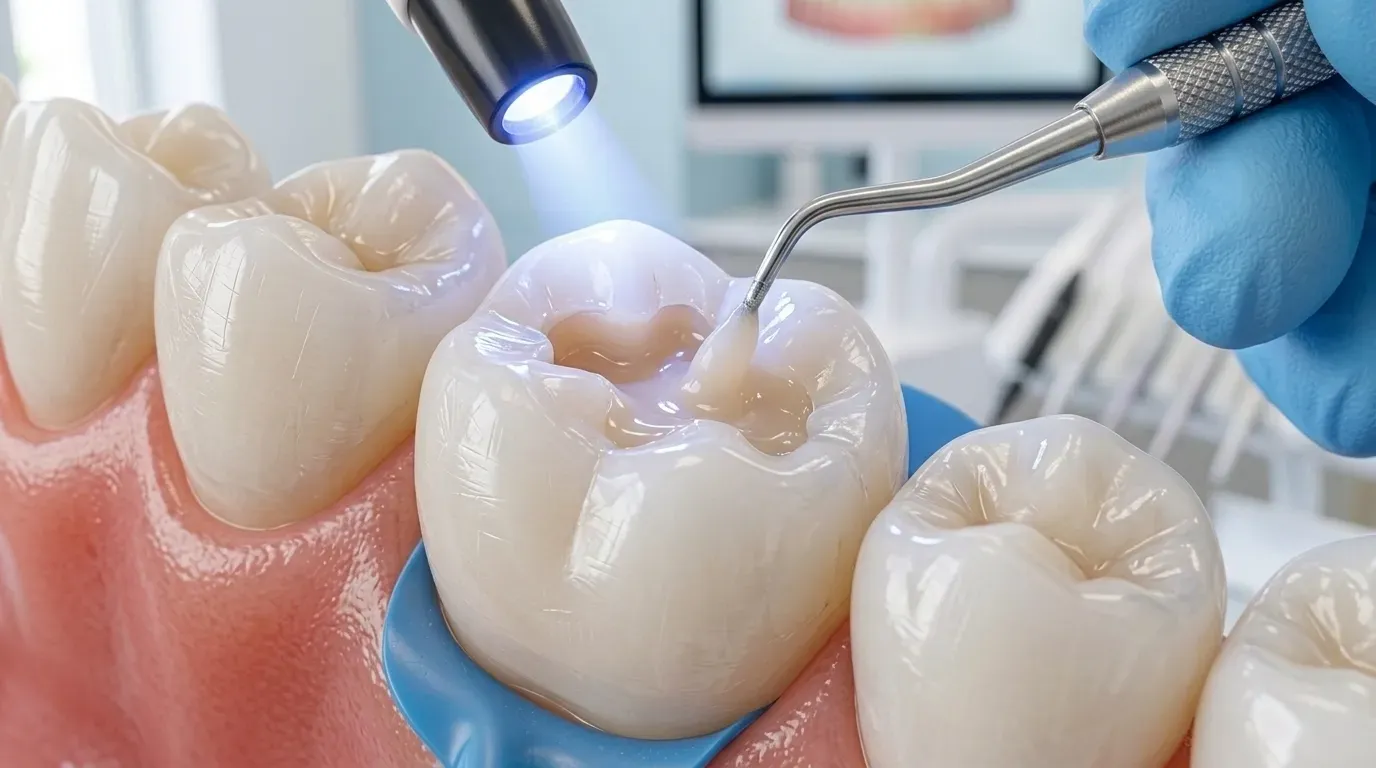
Treatment depends on what the examination finds. A small defect may be repaired, while a worn or leaking filling is usually removed, any decay cleaned away, and a new filling placed. Clear signs you need a filling replacement include visible cracks, a filling that feels loose or has fallen out, and recurring sensitivity in the same tooth. If decay or inflammation has reached the nerve, root canal treatment or a crown may be discussed. Modern dental fillings in Richmond are matched to your tooth and shaped to restore a comfortable bite. See our overview of causes of pain in filled teeth for more background before your visit.
Protecting Your Remaining Fillings
Habits That Shorten a Filling's Life
You can help fillings last longer by brushing twice daily with fluoride toothpaste, cleaning between your teeth, and limiting frequent sugary or acidic snacks and drinks. Avoid chewing ice, pen lids or very hard sweets, and do not use your teeth to open packaging. If you grind your teeth, ask about a night guard. Regular check-ups allow small problems at filling edges to be spotted before they become painful. Restorative dentistry in Richmond focuses on preserving natural tooth wherever possible, and a dentist in Richmond TX can monitor older fillings at routine visits and flag the ones approaching the end of their life.
Different filling materials age in different ways. Tooth-coloured composite fillings bond to the tooth and wear gradually, and their edges can stain or chip. Amalgam fillings are strong but do not bond, so the tooth around them can flex and crack over many years. Glass ionomer fillings are often used in smaller or less loaded areas and tend to wear faster. Knowing which type you have helps explain the options, but age alone does not decide treatment. A well-placed filling in a low-stress spot can serve far longer than a newer one in a tooth that grinds heavily.
Pain that appears only occasionally can still matter. A filling may hurt only with very cold drinks in winter, or only when you bite a seed on that side, and then settle completely for days. Intermittent symptoms often mean an early problem, such as a small crack, a leaking margin or reversible nerve irritation, rather than advanced damage. That is a good stage to be seen, because treatment is usually simpler. Keep a brief note of episodes, triggers and duration on your phone; patterns that seem random at home often make sense once compared with examination findings.
A crown may be suggested when so much of the tooth is filled or cracked that another filling would not hold reliably. A crown covers and supports the remaining tooth, spreading biting forces more evenly. Your dentist should explain why a crown is being recommended in your case, what the alternatives are, and how long each option is likely to last. If the nerve is already inflamed beyond recovery, treating it first avoids building new work on a tooth that will keep hurting, which is why diagnosis always comes before restoration.
Getting Ready for Your Appointment
Notes and Tests That Help
Before your appointment, think about when the pain started, whether the filling has ever been repaired, and whether you have noticed a rough edge, a bad taste, food trapping or a piece breaking away. Mention any teeth grinding, recent dental work on nearby teeth, and medicines you take. During the visit the dentist may tap the tooth gently, test your bite on marking paper, check the filling margins with an instrument, and take an X-ray to look for decay or changes around the root. These simple tests often pinpoint which tooth, and which surface, is responsible.
If a filling has fallen out completely, keep any fragment you find, avoid chewing on the tooth, and call the practice for advice on timing. Temporary filling material from a pharmacy can protect the tooth briefly, but it is not a substitute for treatment and should only be used as directed. Do not try to glue a filling or crown back yourself with household adhesives, which are not safe for mouths and can make proper repair harder. Keeping the area clean and getting seen promptly gives the tooth its best chance.
Regular reviews are especially important for large, old fillings, because the tooth supporting them may be weaker than it looks. At a check-up the dentist can test margins, look for cracks with good lighting and magnification, and compare X-rays over time. Replacing a filling at the right moment, before decay spreads or the tooth splits, usually means a smaller and more comfortable repair. Waiting until pain forces the issue often leaves fewer choices. Think of monitoring old fillings as maintenance, similar to servicing anything else that works hard every single day of the year.
Frequently Asked Questions
How long should a dental filling normally last?
Many fillings last between seven and fifteen years, depending on size, material, position and forces they face. Grinding, decay and cracks can shorten that life, so regular check ups help spot wear early.
Can an old filling hurt without new decay?
Yes, an old filling can hurt without new decay. Cracks, worn edges, a changed bite, teeth grinding or inflammation of the nerve inside the tooth can all cause pain needing professional assessment and treatment.
Is pain in a filled tooth an emergency?
Severe, worsening or spontaneous pain, swelling, a bad taste, fever or a broken filling should be treated as urgent. Contact a dentist promptly, keep the tooth clean and avoid chewing hard foods on it.