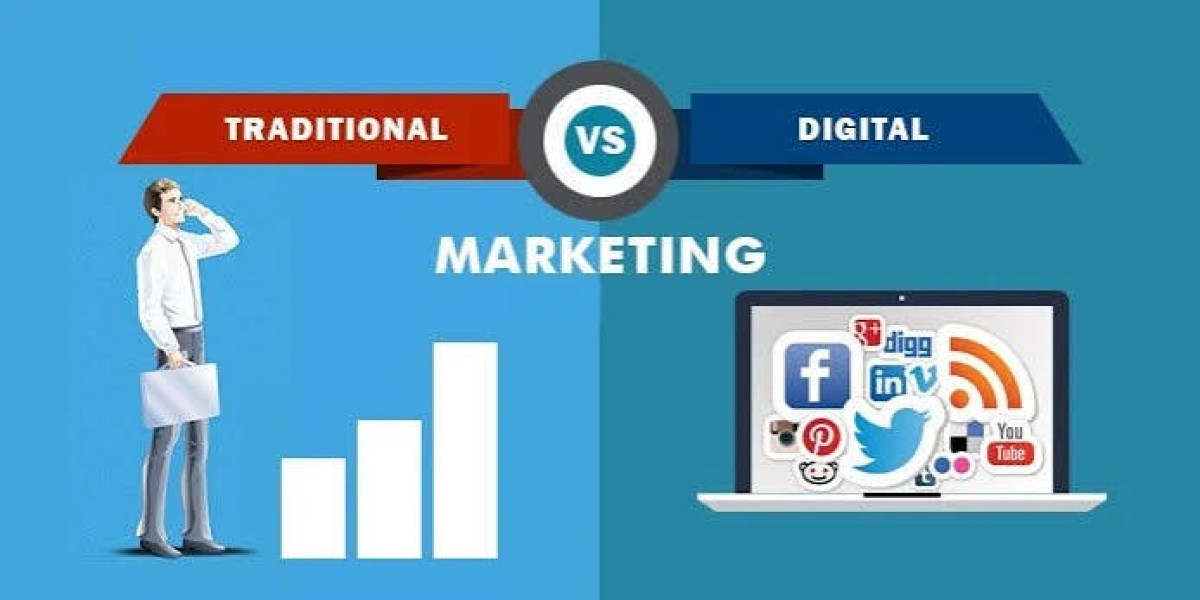

Businesses use different marketing methods to promote their products, attract customers, and increase sales. Some companies focus on online platforms, while others use newspapers, television, radio, and billboards. Understanding digital marketing vs traditional marketing helps businesses choose the right strategy according to their goals, audience, and budget.
Both marketing methods can increase brand awareness and support business growth. However, they differ in cost, audience targeting, customer engagement, and performance tracking. The right choice depends on the type of business, customer behavior, available resources, and marketing objectives.
What Is Digital Marketing?
Digital marketing is the process of promoting products and services through online channels. It includes search engines, websites, social media platforms, email campaigns, and paid advertisements. Businesses use these channels to connect with potential customers, build relationships, and generate leads.
For example, a company can use search engine optimization (SEO) to improve website visibility, publish helpful blog posts to answer customer questions, or run Google Ads to reach people searching for its services. A well-planned Digital Marketing Agency in Dubai strategy can help businesses combine relevant channels to improve online visibility and reach their target audience.
Common Types of Digital Marketing
Digital marketing includes several methods that support different business goals. SEO helps websites attract organic traffic from search engines, while pay-per-click (PPC) advertising provides paid visibility. Social media marketing helps brands communicate with their audiences, and email marketing supports customer relationships and retention.
Content marketing also plays an important role by providing useful information through articles, videos, guides, and other resources. Businesses can combine these methods to increase brand awareness, improve lead generation, and encourage potential customers to take action.
Benefits of Digital Marketing
One major benefit of digital marketing is audience targeting. Businesses can reach people based on factors such as location, interests, demographics, and search behavior, depending on the platform. Digital campaigns also provide measurable information, including clicks, impressions, website visits, leads, and sales.
Another advantage is flexibility. Businesses can adjust advertising budgets, test different messages, and improve campaigns according to performance. However, results depend on competition, content quality, customer demand, and campaign execution. Digital marketing requires regular monitoring and a clear strategy to deliver meaningful results.
What Is Traditional Marketing?
Traditional marketing promotes products and services through offline channels. Common examples include television commercials, radio advertisements, newspaper promotions, flyers, brochures, billboards, and direct mail. These methods help businesses communicate with audiences who may not actively search for products online.
For example, a local restaurant might distribute promotional flyers in nearby neighborhoods or place an advertisement on a busy road. These activities can introduce the business to people who live, work, or travel in the surrounding area.
Benefits of Traditional Marketing
Traditional marketing can provide broad exposure and create a strong physical brand presence. Television and radio advertisements may reach large audiences, while printed materials deliver information directly to potential customers. Local businesses can also use outdoor advertising to increase awareness in specific communities.
Traditional marketing can be useful when customers respond well to physical promotions or local advertising. However, some campaigns require substantial production and placement budgets. Businesses may also find it difficult to identify exactly how many customers purchased a product after seeing an advertisement.
Digital Marketing vs Traditional Marketing: Key Differences
1. Cost and Marketing Budget
Digital marketing often allows businesses to start with smaller budgets and increase spending as results improve. For example, a company can test a social media advertising campaign before investing more money. However, professional content production, competitive advertising, and ongoing SEO services can still require significant investment.
Traditional marketing costs vary by channel. Printing flyers may be affordable, while television commercials and premium billboard placements can be expensive. Businesses should compare total campaign costs with qualified leads, customer acquisition costs, and actual sales rather than judging a campaign by its initial price.
2. Audience Reach and Targeting
Digital marketing allows businesses to target specific audience segments through online platforms. Companies can focus on particular locations, interests, demographics, and search terms, depending on the channel. This approach can reduce wasted spending when the targeting matches customer needs.
Traditional marketing often reaches broader audiences. A billboard may attract thousands of views, but not everyone who sees it will need the advertised service. Nevertheless, local newspaper advertising, flyers, and community promotions can work well when businesses understand their target audience.
3. Customer Engagement and Communication
Digital marketing offers opportunities for direct communication. Customers can comment on social media posts, submit website forms, send messages, and respond to email campaigns. Businesses can use this feedback to understand customer concerns, answer questions, and improve their services.
Traditional marketing usually delivers a message without immediate interaction. However, trade shows, promotional events, and face-to-face sales conversations can create valuable customer relationships. Both approaches can build trust when businesses provide accurate information and consistent service.
4. Performance Tracking and Return on Investment
Digital campaigns can track metrics such as website traffic, click-through rates, conversion rates, and lead generation. Analytics tools help marketers understand which channels contribute to business goals. Reliable tracking is essential because clicks and impressions do not always lead to sales.
Traditional campaigns can also be measured through customer surveys, unique promotional codes, dedicated phone numbers, and sales comparisons. Although measurement may require additional effort, businesses can evaluate whether offline advertising contributes to revenue and brand awareness.
5. Flexibility and Speed
Digital marketing campaigns can often be updated quickly. Businesses can change advertisements, adjust targeting, test headlines, and modify budgets without restarting the entire campaign. This flexibility helps marketers respond to customer feedback and changing market conditions.
Traditional marketing may require more time to change because printed materials, billboard placements, and television advertisements often involve production schedules and contracts. However, a well-planned traditional campaign can continue building brand recognition over an extended period.
Can Businesses Combine Both Marketing Methods?
Yes, combining digital and traditional marketing can help businesses reach customers through multiple channels. For example, a retail store can advertise a promotion through flyers and encourage customers to visit a landing page using a QR code. The business can then measure website visits, enquiries, and purchases generated by the campaign.
Similarly, companies can promote local events through print advertising and use Social Media Marketing to share updates, answer questions, and engage with attendees. This integrated approach keeps brand messaging consistent while allowing each channel to support a different stage of the customer journey.
How to Choose the Right Marketing Strategy
The right strategy starts with clear business goals. A company seeking long-term organic traffic may prioritize SEO and content marketing, while a business that needs immediate visibility might test paid advertising. Companies targeting a specific neighborhood may benefit from local SEO, community events, and suitable offline promotions.
Businesses should also consider their audience, available budget, competition, and internal resources. Review campaign performance regularly and invest more in channels that deliver meaningful results. A reliable Digital Marketing Agency in Dubai can help businesses evaluate online opportunities and develop a strategy aligned with their objectives.
For brands that depend on audience engagement, Social Media Marketing can support brand awareness, website visits, and lead generation when the content and targeting match customer interests. No single channel guarantees success, so businesses should test their assumptions and make decisions using reliable performance data.
Conclusion
Digital marketing and traditional marketing offer different ways to reach customers and grow a business. Digital marketing provides flexible targeting and detailed performance tracking, while traditional marketing can create broad exposure and a strong local presence. Their effectiveness depends on the business, audience, campaign, and available resources.
Rather than choosing one method simply because it is popular, businesses should select channels that support their goals. A balanced strategy, clear measurement, useful content, and consistent customer communication can help businesses build brand awareness and achieve sustainable growth.
Frequently Asked Questions
1. What is the main difference between digital marketing and traditional marketing?
Digital marketing uses online channels such as search engines, websites, social media, and email. Traditional marketing uses offline channels such as television, radio, newspapers, flyers, and billboards.
2. Is digital marketing cheaper than traditional marketing?
Digital marketing can be more affordable to start because businesses can test campaigns with smaller budgets. However, costs depend on competition, advertising spend, professional services, and campaign objectives.
3. Which marketing method is better for small businesses?
Digital marketing can help small businesses reach specific audiences and measure results. Traditional marketing can also work well for local promotions. The right choice depends on the target audience, budget, and business goals.
4. Is traditional marketing still effective?
Yes. Traditional marketing remains useful for local awareness, physical promotions, and campaigns targeting audiences who respond to offline advertising. Its effectiveness depends on placement, messaging, and audience relevance.
5. Can businesses use digital and traditional marketing together?
Yes. Businesses can combine offline advertising with SEO, social media, and online campaigns. QR codes, promotional codes, and dedicated landing pages can connect channels and help measure campaign performance.