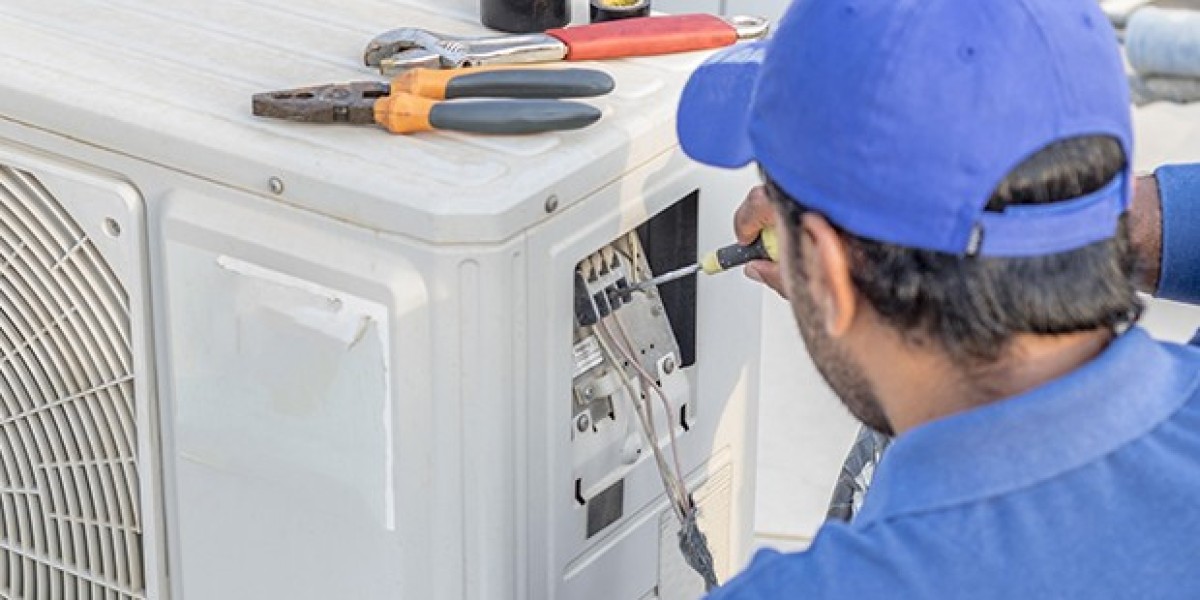

Keeping your heating and cooling system in good condition is essential for maintaining indoor comfort throughout the year in Arlington, Texas. Hot summers, seasonal temperature changes, and frequent system use can put considerable pressure on HVAC equipment. Without regular maintenance, small issues such as restricted airflow, dirty coils, or worn electrical components may develop into more expensive problems. Professional servicing helps identify these concerns, supports reliable operation, and allows property owners to plan repairs before equipment failures become disruptive. Understanding how often to schedule hvac service arlington tx can help you protect your investment and maintain a comfortable indoor environment in every season.
How Often Should You Schedule Professional HVAC Service?
For most residential properties, scheduling professional HVAC maintenance at least once a year is a sensible starting point. However, systems that provide both heating and cooling often benefit from two seasonal visits: one in spring before the cooling season and another in fall before colder weather arrives. This schedule allows a technician to inspect the air conditioning components before summer and evaluate the heating equipment before winter. The exact frequency should depend on the system manufacturer's recommendations, equipment age, usage patterns, and the property's specific needs.
Spring maintenance is particularly important in Arlington because air conditioners may operate for extended periods during the hot Texas summer. A professional inspection can identify dirty components, restricted airflow, drainage problems, and other issues that could affect performance when temperatures rise. Addressing these concerns before peak demand may reduce the risk of an unexpected breakdown during a heat wave. It also gives homeowners time to arrange any necessary repairs without the pressure of an immediate cooling emergency.
Fall maintenance prepares the heating system for cooler weather and checks whether the equipment is operating as intended. Depending on the system, the technician may inspect burners, ignition components, electrical connections, heat exchangers, safety controls, or heat pump operation. These checks are especially important for equipment that has remained largely unused during the warmer months. A planned inspection helps identify potential concerns before the system becomes essential for maintaining indoor comfort.
Why Arlington's Climate Makes Regular HVAC Maintenance Important
Arlington experiences hot summers that can keep air conditioning systems running for long periods. Extended operating hours increase the importance of clean filters, adequate airflow, properly functioning fans, and effective heat transfer. When components become dirty or restricted, the system may have to work harder to maintain the desired indoor temperature. Although maintenance cannot prevent every breakdown, it can help identify conditions that contribute to poor performance and unnecessary equipment strain.
High outdoor temperatures also make reliable cooling especially important for households with children, older adults, or people who may be more vulnerable to extreme heat. A system that has not been inspected for an extended period may have undetected issues that become more noticeable during periods of heavy use. Scheduling hvac service arlington tx before summer gives a qualified technician an opportunity to assess the equipment and recommend any needed maintenance. This proactive approach is generally more convenient than waiting until the system stops cooling on a very hot day.
Seasonal weather changes can also affect heating equipment, thermostats, and other HVAC components. Even when the heating system operates less frequently than the air conditioner, it still needs to function safely and reliably when temperatures drop. A fall inspection can identify problems that may have developed during months of limited use. By adapting maintenance to Arlington's climate, homeowners can prepare their equipment for the demands of each season rather than relying on reactive repairs.
Factors That Determine Your HVAC Maintenance Schedule
Not every HVAC system requires exactly the same maintenance schedule. Equipment age is one important consideration because older systems may experience more wear, develop recurring faults, or require closer monitoring. A newer unit may still need routine inspections, even if it has not shown any performance problems. Following the manufacturer's maintenance instructions helps protect the equipment and may also be important for maintaining warranty coverage.
How often you use your system also matters. A household that keeps the air conditioner running for much of the day may place more demand on its equipment than a property with limited occupancy. Homes with several pets, frequent cooking, ongoing renovation work, or higher levels of airborne dust may need more frequent filter changes. These conditions do not automatically require additional professional visits, but they can affect how often certain maintenance tasks should be performed.
The type of equipment installed can influence the recommended service frequency as well. A conventional central air conditioning system, heat pump, ductless mini-split, and commercial rooftop unit each have different components and operating requirements. Properties with multiple HVAC systems may also need separate maintenance schedules to account for different usage patterns. A qualified technician can review the equipment and suggest a practical schedule based on the manufacturer's guidance and the property's actual operating conditions.
What Is Included in Routine HVAC Maintenance?
A routine HVAC maintenance visit generally begins with an inspection of the system's major components. Depending on the equipment, the technician may examine the indoor air handler, outdoor condenser, furnace, heat pump, thermostat, electrical connections, and accessible refrigerant lines. The inspection helps identify visible wear, loose connections, corrosion, moisture problems, or other conditions that could affect performance. The technician may also ask about unusual sounds, inconsistent temperatures, or previous repair issues to help determine whether further testing is needed.
Filter inspection and airflow evaluation are common maintenance tasks. A dirty air filter can restrict airflow and allow dust to accumulate in parts of the system, potentially affecting cooling or heating performance. The technician may check the filter, inspect accessible vents, and look for signs of duct leakage or airflow restrictions. Depending on the service agreement, the visit may also include cleaning certain components or recommending additional work if the system requires more extensive attention.
Other tasks depend on the type and condition of the equipment. An air conditioning inspection may involve checking condensate drainage, evaluating cooling performance, inspecting coils, and testing relevant electrical components. Heating maintenance may include examining ignition systems, burners, safety controls, or other components appropriate to the installed equipment. The technician should explain what the appointment includes, identify any additional services that may be needed, and provide estimates before proceeding with work outside the agreed scope.
Signs You May Need HVAC Service More Frequently
Even with a regular maintenance schedule, certain warning signs indicate that your system may need attention before the next planned visit. Unusual grinding, rattling, or squealing sounds can point to loose parts or mechanical wear. Weak airflow, warm air from the vents during cooling, or rooms that remain uncomfortable may indicate a problem with the filter, ductwork, thermostat, or equipment itself. If these symptoms persist, arranging a professional inspection can help identify the cause before the issue becomes more disruptive.
Unexpected increases in energy bills can also be a reason to investigate system performance. A clogged filter, dirty coil, faulty control, or other problem may cause the equipment to run longer than usual. However, electricity costs can also rise because of hotter weather, changes in thermostat settings, or increased household usage. Comparing bills across similar weather periods and checking basic maintenance items can help you determine whether a professional assessment is appropriate.
Water around the indoor unit, frequent system shutdowns, or repeated cycling on and off should not be ignored. These symptoms may be associated with drainage problems, airflow restrictions, electrical faults, or other equipment issues. If you notice smoke, sparks, or a burning electrical smell, stop using the system if it is safe to do so and seek qualified assistance. For suspected gas leaks or possible carbon monoxide exposure, leave the affected area and contact the appropriate emergency service.
How Often Should You Change Your HVAC Air Filter?
Air filter replacement is one of the simplest maintenance tasks homeowners can perform between professional service visits. Many common disposable filters need replacement every one to three months, but the correct interval depends on the filter's design, thickness, system requirements, and household conditions. Some filters require more frequent changes, while certain higher-capacity filters may last longer when used under suitable conditions. Always check the filter manufacturer's instructions and the HVAC system's recommendations rather than relying on a single schedule for every home.
Households with pets, allergy concerns, several occupants, or higher levels of dust may need to inspect filters more frequently. During Arlington's cooling season, extended air conditioner use can make regular filter checks particularly worthwhile. If a filter appears heavily loaded with dust or the system's airflow seems reduced, check whether replacement is due. Use the correct filter size and type, because a poorly fitting or unsuitable filter can interfere with system performance.
Changing a filter does not replace professional HVAC maintenance. Filters capture airborne particles, but they do not address every possible issue involving coils, electrical components, refrigerant performance, condensate drainage, or heating safety controls. Homeowners should follow a consistent filter-checking routine while arranging professional inspections according to the equipment's needs. Combining these simple tasks with scheduled maintenance supports more dependable operation throughout the year.
The Benefits of Preventive HVAC Maintenance
Preventive maintenance helps identify developing equipment problems before they lead to more serious disruptions. A technician may discover a clogged drain, worn component, loose connection, or airflow issue during a routine inspection. Correcting these conditions early can sometimes prevent additional damage and reduce the likelihood of an unexpected service call. While no maintenance plan can guarantee that a system will never break down, regular inspections provide an opportunity to address known issues before they worsen.
Energy efficiency is another potential benefit of keeping HVAC equipment properly maintained. Clean filters, adequate airflow, correctly functioning controls, and suitable operating conditions help a system perform as intended. Maintenance cannot compensate for every design limitation or an aging unit, but it can reduce performance problems caused by neglect. If your system continues to consume excessive energy despite proper care, a technician can assess whether repairs, duct improvements, or equipment replacement should be considered.
Regular service can also support comfort and equipment longevity. When airflow is restricted or components are not operating properly, some rooms may become too warm or too cold, and the system may run longer than necessary. Routine inspections help identify conditions that interfere with consistent temperature control. Keeping records of maintenance visits, repairs, and recurring symptoms also gives technicians useful information when evaluating the system's overall condition.
Choosing the Right HVAC Maintenance Service in Arlington
Selecting a reliable HVAC contractor is an important part of maintaining your system. Look for a provider who explains the inspection process, identifies the tasks included in the service, and communicates clearly about any recommended repairs. Ask whether the company has experience with your particular equipment type and whether additional diagnostic work will involve separate charges. A written service description helps you compare providers based on the work performed rather than the advertised price alone.
Homeowners comparing hvac service arlington tx providers should also review relevant licensing and insurance information. Texas air conditioning and refrigeration contractors generally must hold the appropriate state license, subject to applicable requirements and exemptions. You can verify licensing information through the Texas Department of Licensing and Regulation. It is also helpful to review the contractor's experience, warranty policies, and approach to explaining maintenance findings.
If you are comparing hvac maintenance service westlake options as well, apply the same standards to each provider. Ask whether the maintenance plan includes seasonal visits, filter checks, equipment testing, and written recommendations, and clarify which services cost extra. For properties with multiple systems or specialized equipment, confirm that the contractor has experience with the specific configuration. Choosing a provider who offers transparent communication and equipment-appropriate service can make routine maintenance easier to manage over time.
Create a Practical HVAC Maintenance Plan
A simple annual calendar can help homeowners keep HVAC maintenance on schedule. Plan an air conditioning inspection in spring before the hottest weather arrives, and arrange a heating inspection in fall if your equipment provides heating. Check the air filter regularly between appointments and replace it according to the manufacturer's recommendations. If the system develops unusual symptoms, arrange an assessment rather than waiting for the next scheduled visit.
Keep a record of service dates, completed maintenance tasks, filter changes, and repairs. These records can help identify recurring problems and provide useful background when a different technician services the equipment. They also make it easier to track warranty information and plan for future replacement costs. If your HVAC system is older or has a history of frequent breakdowns, discuss whether a more tailored maintenance schedule would be appropriate.
For households with demanding cooling needs, consider arranging maintenance before the busiest part of the summer rather than waiting until temperatures rise sharply. Service companies may have higher demand during heat waves, so early planning can provide more scheduling flexibility. The same principle applies before the heating season begins. A consistent maintenance plan helps you prepare for seasonal changes while reducing the risk of preventable surprises.
Keep Your Arlington HVAC System Ready for Every Season
For most homes in Arlington, professional HVAC maintenance at least once a year is a sensible minimum, while many systems benefit from separate spring and fall inspections. The ideal schedule depends on equipment type, age, usage, manufacturer recommendations, and the property's specific conditions. Regular filter checks, prompt attention to unusual symptoms, and clear maintenance records can further support reliable performance between professional visits.
When arranging hvac service arlington tx, choose a qualified provider who explains the work clearly and offers recommendations based on the system's actual condition. Ask about seasonal maintenance, component inspections, and any additional services that may be required. If you are also considering hvac maintenance service westlake, compare contractors using the same standards for experience, transparency, and equipment-specific knowledge.
Taking a proactive approach to HVAC maintenance can help preserve comfort, identify developing problems, and manage repair needs more effectively. Instead of waiting for the air conditioner to fail during a Texas heat wave or the heating system to stop working on a cold day, schedule service before seasonal demand increases. With a practical maintenance routine and professional support, you can keep your heating and cooling equipment prepared for Arlington's changing weather.