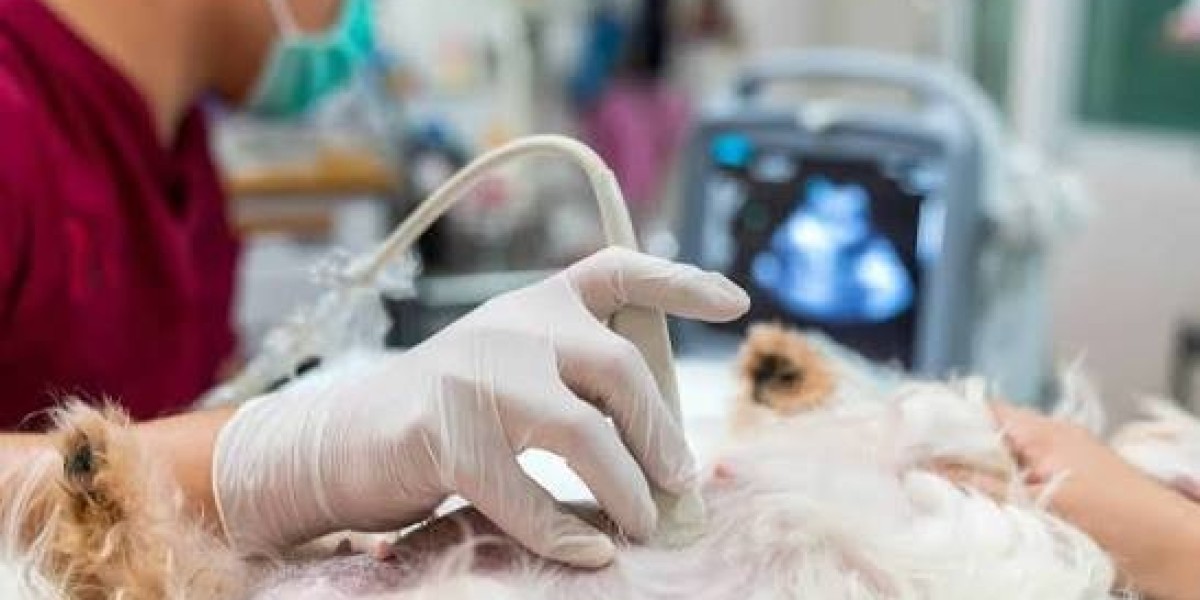

Companion laser therapy refers to the way therapeutic laser treatment is often used alongside, rather than instead of, other forms of veterinary care. The term reflects the role laser therapy typically plays, supporting the body's own healing process while medication, surgery, or rehabilitation address the underlying condition more directly. For pets managing pain, recovering from surgery, or healing from an injury, this combined approach often produces better outcomes than any single treatment alone.
At Eagle Animal Hospital, companion laser therapy is offered as part of a broader approach to pain management and recovery, tailored to each pet's specific condition and needs.
What Makes Laser Therapy a Companion Treatment
Laser therapy works by delivering specific wavelengths of light into tissue, stimulating cellular activity that reduces inflammation, improves circulation, and encourages the body's natural repair processes. This mechanism makes it particularly well suited to working alongside other treatments rather than replacing them. A dog recovering from orthopedic surgery, for example, might receive pain medication to manage discomfort directly while laser therapy supports the healing tissue itself, addressing two different aspects of recovery at the same time.
This complementary role is part of why the therapy is often described using the word companion. It is designed to work in partnership with a pet's broader treatment plan, not as a standalone cure.
Conditions That Benefit From a Companion Approach
Several common conditions benefit from combining laser therapy with other treatments.
Arthritis Management
For pets with osteoarthritis, laser therapy is frequently paired with joint supplements, weight management, and anti-inflammatory medication when appropriate. Each piece addresses a different part of the condition, from reducing inflammation locally through laser treatment to supporting joint health more broadly through supplements and weight control.
Post Surgical Recovery
Following surgery, laser therapy is often used alongside prescribed pain medication and activity restriction to support faster healing at the incision site. This combined approach tends to reduce swelling more effectively than either treatment alone, helping pets feel more comfortable during the critical early days of recovery.
Chronic Wound Care
Pets healing from chronic wounds or persistent skin irritation often benefit from laser therapy combined with topical treatments or medication prescribed to address the underlying cause. The laser supports tissue repair directly at the site while other treatments address infection or inflammation more broadly.
How Companion Laser Therapy Sessions Work
A typical session takes only a few minutes per treatment area. Your pet rests comfortably, often on a soft bed, while the veterinary technician moves the laser handpiece over the affected area in a steady pattern. No sedation, shaving, or special preparation is needed, and most pets find the sessions relaxing, with many becoming visibly calm as the gentle warmth spreads through the treated tissue.
Because sessions are quick and require no recovery time, they are easy to incorporate into an ongoing treatment plan without placing significant extra demand on you or your pet.
Building a Treatment Plan Around Laser Therapy
Your veterinarian will determine how laser therapy fits into your pet's overall plan based on the specific condition being treated. For an acute injury or post surgical recovery, this might mean a short series of sessions scheduled closely together during the initial healing period. For a chronic condition like arthritis, an ongoing maintenance schedule, often weekly at first and tapering to monthly as symptoms stabilize, tends to produce the best long term results.
This individualized approach, adjusted as your pet responds to treatment, is part of what makes companion laser therapy effective across such a wide range of conditions.
Why a Combined Approach Often Works Better
Relying on a single treatment method sometimes leaves gaps in addressing a condition fully. Medication might manage pain effectively but do little to directly support tissue healing. Laser therapy supports healing and reduces inflammation but may not address pain as immediately or completely as medication in more severe cases. Combining these approaches allows each treatment to address a different aspect of the condition, often producing more complete, more comfortable outcomes than relying on any single method alone.
Pet Laser Treatment for Dogs and Cats
While often discussed in the context of dogs, pet laser treatment is equally applicable to cats, who can experience similar benefits for arthritis, post surgical recovery, and chronic conditions. The treatment is adjusted based on each individual pet's size, condition, and tolerance, making it a flexible option across a wide range of patients.
The History and Growing Use of Laser Therapy in Veterinary Medicine
Therapeutic laser technology has been used in human medicine for decades and has become increasingly common in veterinary practices over the past several years as the equipment has become more refined and the supporting research has grown. Veterinarians now use it across a wide range of conditions, from acute injuries to long term chronic disease management, reflecting a broader shift in veterinary medicine toward combining multiple complementary treatments rather than relying on a single approach for complex conditions.
Why Owners Often Choose a Companion Approach
Many pet owners are drawn to companion laser therapy specifically because it offers a way to reduce reliance on medication alone, particularly for pets with sensitive stomachs, kidney or liver concerns, or those already managing multiple prescriptions. Adding a non-invasive, drug free treatment alongside existing care can sometimes allow for a lower medication dose while still achieving effective pain control, though any changes to medication should always be made in consultation with your veterinarian rather than adjusted independently.
Is Companion Laser Therapy Right for Your Pet
Pets showing signs of chronic discomfort, slower than expected recovery after surgery, or a diagnosed condition like arthritis are often strong candidates for incorporating laser therapy into their treatment plan. Your veterinarian can evaluate your pet's specific situation and recommend whether this companion approach makes sense alongside their current treatment.
What to Expect From Results
Many pets show improvement within the first several sessions, particularly for acute conditions. Chronic conditions tend to improve more gradually, with noticeable changes building over several weeks of consistent treatment rather than appearing after a single session. Following the recommended schedule closely tends to produce more reliable, longer lasting results than sporadic or inconsistent sessions.
How Veterinary Teams Decide on Laser Settings
Therapeutic lasers are not applied with a single universal setting across every patient. Veterinary technicians adjust the wavelength, intensity, and duration of treatment based on factors like the pet's size, coat thickness, skin pigmentation, and the specific condition being treated. A small cat with light fur and a large, heavily coated dog require different approaches to achieve the same therapeutic effect at the treatment site, which is why laser therapy should always be administered by a trained member of the veterinary team rather than attempted at home with consumer devices.
Safety and Side Effects
Companion laser therapy is considered very safe, with minimal risk of side effects when administered by a trained veterinary team. It is non-invasive, requires no sedation, and does not carry the risk of drug interactions associated with some medications, making it a useful option even for pets already managing multiple health conditions or medications.
Tracking Progress Over a Treatment Course
Veterinary teams often track specific markers of progress throughout a companion laser therapy course, such as range of motion, willingness to engage in normal activity, or visible signs of swelling at a surgical site. Sharing your own observations from home, including how your pet moves after waking or whether they seem more willing to engage in play, adds valuable context that helps the veterinary team fine tune the treatment schedule as sessions continue.
How Often Companion Laser Therapy Is Reassessed
Treatment plans are rarely set in stone from the first session. Veterinary teams typically reassess progress every few sessions, checking whether the current frequency and approach are producing the expected results. If a pet is responding well, the schedule may be gradually reduced. If progress is slower than expected, the veterinarian might adjust the treatment area, frequency, or recommend adding another complementary therapy to the plan.
Setting Realistic Expectations From the Start
Owners sometimes expect dramatic, immediate results from any new treatment, and it helps to set realistic expectations before beginning companion laser therapy. While some acute conditions show quick improvement, most benefit builds gradually across a full course of sessions rather than appearing after the first visit. Veterinary teams typically explain this timeline upfront, so owners understand what a reasonable trajectory of improvement looks like for their pet's specific condition, reducing the chance of discouragement during the early weeks of treatment.
A Thoughtful Addition to Any Care Plan
Companion laser therapy offers a flexible, low risk way to support healing and comfort across a wide range of conditions. Its ability to work alongside nearly any other treatment, without interaction risk, makes it a practical consideration for almost any pet managing pain or recovering from a procedure.
Discussing Laser Therapy With Your Veterinary Team
If your pet is managing a chronic condition, recovering from surgery, or dealing with ongoing discomfort, it is worth raising companion laser therapy as a potential addition to their treatment plan. The team at Eagle Animal Hospital can evaluate whether it is a good fit and explain how it would work alongside any treatment your pet is already receiving.
Request an appointment online to discuss companion laser therapy for your dog or cat.
Frequently Asked Questions
Q: What does companion laser therapy mean?
A: It refers to laser therapy's role working alongside other treatments, such as medication or physical rehabilitation, rather than replacing them. This combined approach often addresses different aspects of a condition more completely than one treatment alone.
Q: Which conditions benefit most from companion laser therapy?
A: Arthritis, post surgical recovery, and chronic wounds are among the conditions that respond particularly well. Laser therapy reduces inflammation and supports healing while other treatments address pain or the underlying cause more directly.
Q: Is companion laser therapy safe to use with medication?
A: Yes. Laser therapy does not carry a risk of drug interactions, making it a safe addition for pets already taking medication for arthritis, post surgical pain, or other chronic conditions, under your veterinarian's guidance.
Q: How long before I see results from laser therapy?
A: Acute conditions often show improvement within the first few sessions, while chronic conditions tend to improve more gradually over several weeks. Consistency with the recommended schedule plays a large role in achieving noticeable results.
Q: Can cats receive companion laser therapy as well as dogs?
A: Yes. Pet laser treatment is used for both cats and dogs, with sessions adjusted based on each pet's size and specific condition. Cats with arthritis or recovering from surgery can benefit just as dogs do.