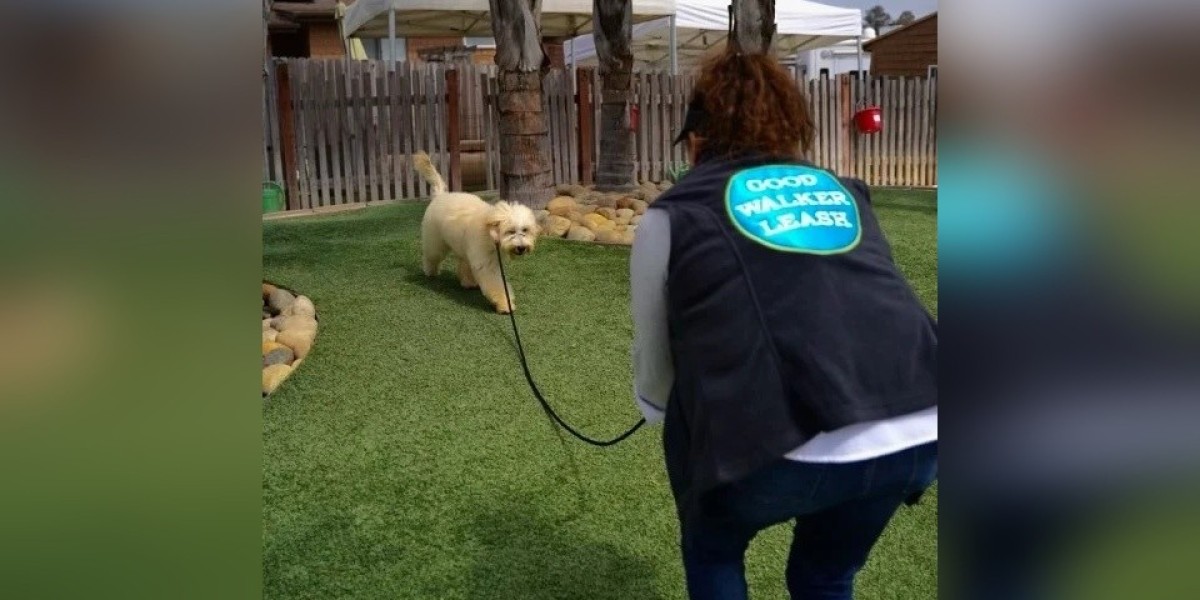

The phrase training leash for dog use covers a broader category of equipment than many owners initially realize. It is not simply a descriptor for any leash used during any session with a dog that could loosely be called training. A genuine training leash is one that is specifically designed or selected for the communicative precision, appropriate length and reliable construction that structured dog training requires. It is a tool that makes the training techniques your are applying more effective by creating a more direct and responsive line of communication between your hand and your dog, that holds reliably under the specific mechanical demands of active training work and that is matched to the specific training goal you are working toward. Choosing the right training leash is therefore as much a training decision as a purchasing decision and this post helps you make it with the level of understanding that produces genuinely better outcomes in your daily training sessions.
The variety of training leash options available can be genuinely confusing without a clear framework for evaluation. Different leash types are designed for different phases of training, different training goals and different environmental contexts. A leash that is ideal for active close range leash manner work is not the ideal tool for recall training at distance. A leash built for urban pavement walking is not the same tool you want for supervised freedom in a large open field. Understanding what training phase you are in, what specific behaviors you are developing and what environment you primarily work in is the starting point for every leash selection decision.
The Training Phases That Shape Leash Selection
Phase One: Foundation Leash Introduction
Building the Right First Association
The first phase of leash training for any dog whether puppy or adult begins with building a positive and comfortable association with the leash itself before any behavioral expectations are applied through it. This phase is brief but important and the leash appropriate for it is typically the lightest and most comfortable option available for the dog's size.
During leash introduction the primary goal is making the physical experience of wearing a leash and being gently guided through it feel neutral or positive rather than stressful or confusing. A lightweight soft material leash in the appropriate width for the dog's size with a small comfortable clip is ideal for this foundation phase because it creates minimal physical imposition on the dog while the association is being built.
Phase Two: Active Leash Manner Training
When Communication Precision Becomes Primary
Once the foundation association is established and the dog has some basic leash comfort the training moves into active leash manner development where the quality of communication through the leash becomes the primary factor in selecting the right tool. In this phase a training leash for dog use needs to be responsive enough that corrections and releases are felt clearly and immediately, long enough to allow natural walking movement but short enough that you maintain close communication and short enough to prevent the dog from building significant momentum before a redirection can be effective.
A four to six foot leash in a responsive material with a quality swivel clip is ideal for this phase. A dog training slip leash configuration is often particularly effective in this phase because the self adjusting loop provides a more direct and immediately released signal than a standard flat collar clip configuration.
Phase Three: Distance and Recall Development
When Length Becomes the Critical Variable
The third training phase that shapes leash selection is distance and recall development where the primary goal shifts from close range communication to developing reliable behavior at meaningful distances from the handler. In this phase a long dog leash of fifteen to thirty feet provides the working range to practice recall at real distances while maintaining the safety net that prevents the dog from running off if the response to the recall command is not yet reliable.
This phase requires a different leash than close range work demands. The long dog leash needs to be light enough to trail freely on the ground without significantly impeding the dog's movement while being strong enough to hold when the dog reaches the end at speed during a lunge or a failed recall attempt. The Good Walker Long Line is built specifically for this phase of training with the appropriate material weight and reliable clip construction that distance recall work requires.
Comparing Training Leash Types Across Phases
The following table provides a comprehensive comparison of training leash types organized around the specific training phase each serves most effectively.
Training Phase | Ideal Leash Type | Length | Material Priority | Key Feature |
Foundation introduction | Lightweight flat leash | 4 to 6 feet | Soft and comfortable | Minimal physical imposition |
Active leash manner training | Standard or slip lead style | 4 to 6 feet | Responsive and flexible | Communication precision |
Direction and pace work | Standard or slip lead style | 4 to 6 feet | Responsive | Timing efficiency |
Recall at distance | Long line | 15 to 30 feet | Lightweight trailing | Free trailing and reliable hold |
Supervised outdoor freedom | Long line | 20 to 50 feet | Very lightweight | Free trailing minimal drag |
Maintenance walking | Standard or hands free | 4 to 6 feet | Comfortable durable | Everyday reliability |
Using this phase based framework to guide your leash selection decisions ensures that the tool you are holding matches what you are trying to teach rather than being a generic option applied to every situation regardless of fit.
Key Features to Prioritize in a Training Leash
Responsiveness Over Durability in Active Training
Why Feel Matters for Timing
In active training leash work the responsiveness of the leash material in your hand is more important than the raw durability that would matter more in a passive daily walking application. Responsiveness means that when you make a subtle change in your hand position or grip, that change transmits through the leash to the dog with minimal delay and with the level of precision your technique requires.
A stiff or heavy material absorbs and delays these subtle changes in a way that makes your corrections arrive late and feel less precise. A flexible and responsive material transmits them immediately and accurately which gives the dog a cleaner and more actionable piece of information. This responsiveness advantage is why trainers often prefer rope style or lighter nylon materials for active training work even when heavier duty options would be more conventionally durable.
Length Precision for the Training Goal
Not Just Shorter or Longer
The length of a training leash for dog work should be a deliberate choice matched to the specific training goal rather than a default based on what is most commonly available. Four feet is appropriate for close range work in tight environments or with dogs just beginning to develop leash responsiveness. Six feet is the most versatile everyday training length for most dogs in most environments. Fifteen to thirty feet is specifically the recall and distance training range. Choosing deliberately within these ranges rather than simply accepting whatever length comes standard is a small decision that has a meaningful impact on training efficiency.
Integrating Training Leash Work With Foundation Training
Building What the Leash Can Build On
Impulse Control as the Prerequisite
The training leash is most effective when the dog at the end of it has at least some foundation of impulse control and behavioral responsiveness built through structured non leash work. A dog that has been practicing PLACE brings a genuinely different capacity for self regulation to leash training sessions than one who has had no impulse control development. That capacity shows up as a dog that processes the leash correction and release cycle more quickly, responds to directional changes with less resistance and maintains their improved walk behavior under more demanding distraction conditions.
You can build this foundation effectively through the PLACE command practice described in this post on how to teach PLACE and through the consistent daily structure that the pillars of pack leadership framework provides.
For professional in person support in building a complete training leash routine with the right equipment and the right technique for your specific dog Aly's Puppy Boot Camp offers training programs that cover all of this in a structured and individually tailored format. The full range of training leash options built for genuine training use is available in the Aly's Puppy Boot Camp shop for owners who want to buy dog leash options they can trust for daily training work.
Final Thoughts
The right training leash for dog work is the one that most accurately matches the specific training phase you are in, the specific behavior you are developing and the specific environmental context you are working in. That match is what allows your technique to land with the precision and timing that produces genuine learning in your dog. Invest in understanding the training phases and what each requires before you invest in the equipment and your purchases will serve you significantly better than ones made without that framework.
FAQs
Q: What length of training leash for dog use is best for everyday leash manner development?
A: A four to six foot leash is the most effective length for everyday leash manner development because it provides close enough range for timely and precise corrections while giving the dog enough room to walk naturally without being held unnaturally close throughout the entire session.
Q: When should I transition from a standard training leash to a long dog leash?
A: Transition to a long dog leash when you are ready to begin recall training at real distances, typically after the dog has reliable responses to the recall command at the end of a standard leash. The long line allows you to proof recall at increasing distances while maintaining safety during the reliability development phase.
Q: Is a dog training slip leash a better training leash than a standard flat leash?
A: A dog training slip leash provides more communicative precision and timing efficiency than a standard flat leash and collar configuration when used with correct technique including proper high neck positioning and a clean tighten and release cycle. It is more effective for active leash manner training but requires more technique awareness from the handler to use well.
Q: How do I know when my training leash for dog work is no longer performing well?
A: Test the clip regularly by operating it with one hand under realistic conditions. Inspect the material for fraying, soft spots or loss of flexibility. A training leash that no longer communicates with the responsiveness it originally had due to material stiffening or hardware degradation should be replaced before training effectiveness suffers further.
Q: Can one training leash serve all training phases or do I need multiple leashes?
A: Most owners benefit from at least two training leashes. A standard four to six foot leash for close range leash manner training and daily maintenance walks and a long line for recall training and supervised freedom in open spaces. A dog training slip leash can serve as the close range training tool for owners comfortable with the additional technique it requires.