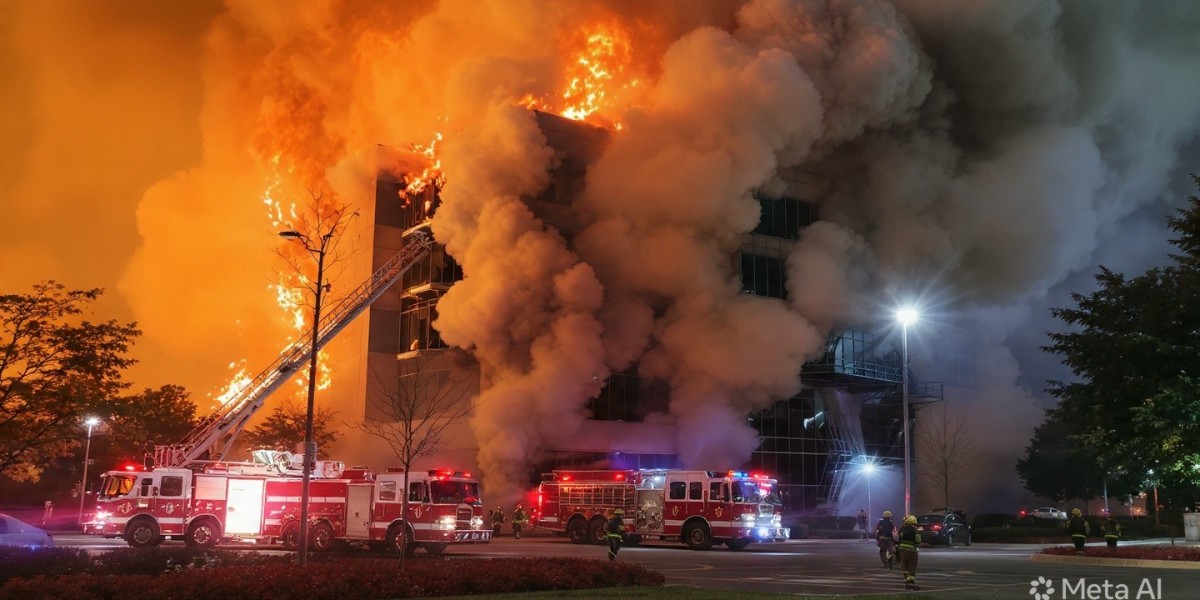

Safe buildings depend on informed design choices, reliable fire protection systems, and evidence that supports compliance. For Australian developments, understanding bca 2025 requirements is an important part of planning, particularly when a project includes complex car parks, unusual construction arrangements, or performance-based fire engineering. A risk-based approach helps project teams identify important hazards, confirm the applicable regulations, and determine where additional technical assessment may be valuable.
1. Understanding Risk in Modern Buildings
Fire risk management begins with understanding how a building is occupied and constructed. Factors such as occupant numbers, travel distances, building height, compartmentation, materials, and available escape routes can influence the design of fire protection measures.
A residential tower with basement parking presents different challenges from a warehouse or a public assembly building. Each project requires an assessment that reflects its intended use, layout, and relevant code obligations.
Fire engineers consider how a fire might develop, how smoke could affect escape routes, and whether occupants can reach a place of safety. They also assess how detection, alarms, suppression systems, and passive fire protection contribute to the overall strategy.
This coordinated approach is more reliable than assessing individual systems without considering their interaction. It also helps project teams explain why particular measures have been selected.
2. Managing Code Transitions and Local Requirements
The National Construction Code establishes a national framework for building requirements, but implementation depends on state and territory adoption. Different transition arrangements can affect which provisions apply to a project and when they must be followed.
According to Vortex Fire’s published guidance, Victoria and Tasmania adopted the 2025 edition from 1 May 2026, while several other jurisdictions have arrangements leading towards adoption from 1 May 2027. The Northern Territory remains on NCC 2022 Amendment 2, as described in that guidance.
Project teams should verify these arrangements before finalising their design basis. They should also check local amendments, transitional rules, relevant referenced standards, and the approval process.
A written compliance register can record the applicable edition, important clauses, evidence requirements, and responsible team members. This gives architects, engineers, and building certifiers a shared reference point.
Code verification is especially important for projects that cross jurisdictions or remain in design during a transition period.
3. Assessing Car Parks and Fire Protection Measures
Car parks deserve particular attention because vehicle technology and parking arrangements continue to evolve. Electric vehicle batteries, increased vehicle sizes, and mechanical car stackers can affect the assumptions used in fire safety design.
Vortex Fire’s published discussion identifies changes involving sprinkler protection for certain open-deck and larger car parks, dedicated protection for car stacker systems, and revised fire resistance level concessions. The impact depends on the building and the applicable provisions.
Design teams should establish whether the project falls within the relevant requirements before deciding that existing protection measures are sufficient. They should examine sprinkler coverage, compartment boundaries, structural protection, ventilation, and emergency access as part of a coordinated assessment.
The same principle applies when upgrading an existing building. Existing drawings may not reflect current installations, and proposed changes can affect the performance of interconnected fire safety measures.
A documented gap analysis helps establish which items need further investigation, design changes, or confirmation from the responsible authority.
4. Using Performance Solutions Responsibly
Some projects cannot follow every standard deemed-to-satisfy pathway without significant design limitations. In suitable circumstances, a performance solution may provide an alternative way to demonstrate compliance with applicable performance requirements.
Such a solution requires a clear technical argument. The design team must identify the relevant requirements, establish assessment criteria, select appropriate methods, and provide evidence supporting the proposed outcome.
Depending on the project, evidence may include calculations, fire engineering analysis, evacuation modelling, smoke movement studies, or comparison with accepted design benchmarks. Assumptions and limitations should be documented rather than left implicit.
Modelling results are only as reliable as the inputs, scenarios, and methods used. Reviewers should therefore consider whether the model represents the building conditions and hazards relevant to the design question.
Early consultation with the approval authority can clarify expectations and help ensure that the proposed assessment method is appropriate before extensive analysis is undertaken.
5. The Importance of Independent Design Scrutiny
Independent technical scrutiny can strengthen a project’s compliance process by examining the design from a separate professional perspective. It helps stakeholders identify unclear reasoning, inconsistent documents, and gaps in the evidence supporting a fire safety strategy.
A Third Party Peer Review can assess fire engineering reports, protection system layouts, computational fluid dynamics studies, evacuation modelling, and performance-based solutions. Reviews may also include selected onsite compliance verification where this forms part of the agreed scope.
For complex developments, an independent reviewer can test whether the documented assumptions support the stated conclusions and whether important issues have been addressed. The resulting findings should be clear, traceable, and practical for the design team to action.
A review is most useful when its objectives, documents, limitations, and reporting arrangements are agreed in advance. This avoids confusion about the work being assessed and the decisions that remain with the original designers and approving authorities.
Independent review supports technical confidence, but it does not guarantee approval or eliminate every possible fire risk.
6. Conclusion
Effective fire safety management requires more than meeting a checklist. Project teams must understand the building’s risks, confirm the relevant code requirements, coordinate protection measures, and maintain accurate supporting documentation.
A structured review of car park provisions, evacuation arrangements, structural fire resistance, and performance solutions can reveal concerns before they become difficult to correct. Early communication with qualified professionals and the relevant authority also helps clarify technical expectations.
For projects that require additional scrutiny, a Third Party Peer Review provides an independent opportunity to examine engineering evidence and identify areas needing clarification. Vortex Fire offers reviews of fire strategies, protection designs, modelling, and performance-based engineering solutions. When used appropriately, independent assessment strengthens the decision-making process and supports a more transparent approach to building fire safety.
FAQs
What does risk-based fire safety planning involve?
It means identifying relevant hazards, considering how occupants and building systems may be affected, and selecting measures supported by applicable requirements and technical evidence.
Why do code adoption dates matter?
They help determine which code provisions and transitional arrangements apply to the project’s location and approval pathway.
When is a performance solution considered?
It may be considered when a suitable alternative approach is proposed to demonstrate compliance with applicable performance requirements.
Can modelling alone prove a building is safe?
No. Modelling is one form of evidence. Its assumptions, methods, inputs, limitations, and relationship to the overall design must also be assessed.
What is the benefit of an independent review?
It provides an additional technical perspective, helps identify gaps in supporting evidence, and gives the design team clear findings to consider before proceeding.