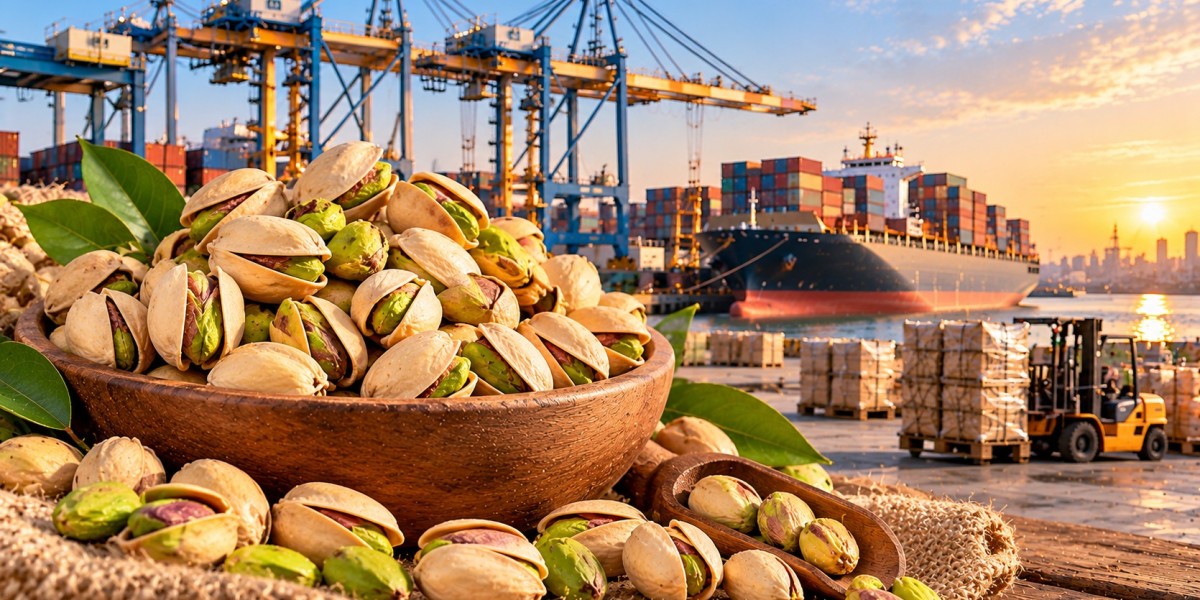

Pistachios aren’t exactly a quiet commodity right now. By August 2026, China’s landed price touched USD 15,738.80 per metric ton on a CIF basis. India came in higher, at USD 16,278.12 per metric ton, also CIF. That’s a difference of USD 539.32 a ton, and for a product this expensive, that’s not pocket change.
Why track this at all? Pistachio demand has been climbing across snack food, confectionery, and bakery applications in both countries. Prices this high ripple straight into packaged food costs within a season or two.
Current Pistachio Prices: China vs India
| Product | Region | Incoterm Basis | Price | Last Updated |
|---|---|---|---|---|
| Pistachio | China | CIF | USD 15,738.80/MT | August 2026 |
| Pistachio | India | CIF | USD 16,278.12/MT | August 2026 |
Both figures use the same incoterm basis here, CIF, so this comparison holds up better than most. No freight-versus-insurance confusion to untangle. The gap is real, not a quirk of how the price got quoted.
A few quick notes before moving on:
- Both prices reflect August 2026 and can shift fast given how seasonal pistachio supply is.
- India’s premium over China sits at roughly 3.4%, not dramatic, but consistent enough to matter at scale.
- Pistachio pricing tends to track US and Iranian harvest outcomes closely, since those two origins dominate global supply.
What’s Pushing Pistachio Prices Up
Nuts don’t behave like petrochemicals. Supply swings season to season, not week to week, and that changes the whole pricing logic.
Harvest yields. California and Iran produce the bulk of the world’s pistachios. A weak harvest in either place tightens global supply fast, and prices react almost immediately since there’s no quick substitute source.
Import demand growth. China’s pistachio consumption has grown steadily as snacking habits shift toward premium nuts. India shows a similar pattern, driven by rising disposable incomes and festival-season demand spikes.
Currency and shipping. Pistachios travel long distances from origin to destination. Freight costs, insurance, and currency moves against the dollar all stack onto the final CIF number buyers actually pay.
Quality grading. Pistachio pricing varies sharply by shell openness, size, and origin. A blended average price like the ones above still hides a fair amount of variation at the contract level.
Quick Q&A: What Buyers Are Actually Asking
So why is India paying more than China for the same CIF basis?
Mostly demand pressure and buyer competition. India’s festival season tends to pull pistachio imports up sharply in certain months, and that timing can push contract prices higher even when the underlying global supply hasn’t changed.
Does this price gap tell us anything about quality differences?
Not really, not from this data alone. The numbers here reflect blended market averages, not grade-specific contracts. A buyer locking in premium California pistachios in India could easily pay more than this average suggests.
Is August a typical month for pistachio pricing, or an outlier?
Harvest timing matters a lot here. August sits close to the tail end of the northern hemisphere harvest cycle, so prices can firm up as new-crop supply gets absorbed by processors and exporters.
What This Means for Buyers and Investors
Food manufacturers sourcing pistachios for snack lines or confectionery should treat this price gap as a planning input, not just a data point. Locking in supply ahead of festival-driven demand spikes in India could save real money compared to buying reactively.
For investors watching agricultural commodities, pistachio pricing offers a useful signal. Premium nut demand has been resilient even during broader consumer spending slowdowns, which says something about where discretionary food spending is actually going.
Business advisers working with import-heavy food clients should flag this trend early. Pistachio costs feeding into finished snack products usually show up in retail pricing within one or two quarters, not immediately.
Looking Ahead: Q3 2026 Outlook
Expect the China-India spread to narrow slightly as new-crop supply from the US harvest reaches both markets through Q3. That said, India’s demand-side pressure during festival months could offset some of that easing.
Buyers negotiating long-term contracts right now would do well to lock partial volumes rather than wait for a dip that may not arrive on schedule. Pistachio markets have a habit of surprising people who wait too long for a better entry point.
Conclusion
The pistachio price trend for Q3 2026 shows China at USD 15,738.80/MT and India at USD 16,278.12/MT, both CIF, as of August 2026. The gap comes down to demand timing and import competition rather than quality or freight structure differences. Anyone sourcing, investing in, or advising on pistachio supply chains should keep this spread on their radar going into the rest of the quarter.
FAQ Section
What is the pistachio price trend for Q3 2026?
As of August 2026, pistachio prices stand at USD 15,738.80/MT CIF in China and USD 16,278.12/MT CIF in India. The gap reflects demand timing differences rather than quality variation, since both figures use the same CIF basis for direct comparison.
Why is pistachio pricing so sensitive to harvest timing?
California and Iran dominate global pistachio production, and both regions harvest seasonally rather than year-round. A weak crop in either place tightens supply quickly since there’s no fast substitute source, which pushes prices up until the next harvest cycle arrives.
How does India’s pistachio demand compare to China’s?
Both markets show rising demand driven by premium snacking trends. India sees added seasonal spikes tied to festival periods, which can temporarily push import prices higher than China’s, even under identical sourcing conditions and the same incoterm basis.
What should buyers watch before locking in pistachio contracts?
Harvest yield reports from California and Iran matter most. Currency movements against the dollar and shipping costs also factor in heavily. Waiting for a price dip can backfire if demand surges unexpectedly, so partial forward contracts often work better than timing the market.
Will pistachio prices drop through the rest of 2026?
A modest easing looks likely as new-crop supply reaches Asian markets through Q3. India’s festival-driven demand could offset part of that drop though, so a sharp decline isn’t guaranteed. Buyers should treat any dip as temporary rather than a lasting trend shift.