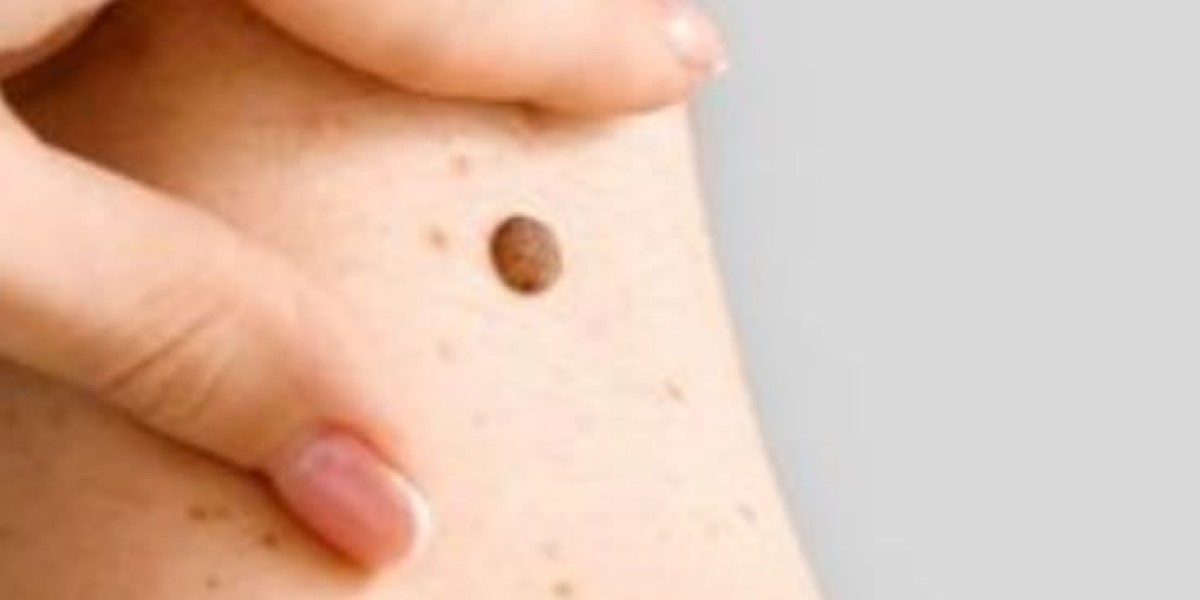

Healthy skin can contribute to confidence and personal well-being, but people have different preferences regarding their appearance. Moles are common skin growths that may appear on the face, neck, arms, back, and other parts of the body. While many are harmless, some people consider removal because a mole is prominent, causes irritation, or raises medical concerns.
Mole removal treatment in Islamabad offers patients an opportunity to discuss their skin concerns with a qualified healthcare professional and explore suitable options. The right approach depends on the mole's characteristics, location, and medical assessment. By understanding the treatment process, possible outcomes, and aftercare requirements, patients can make informed decisions that prioritize both skin health and their cosmetic goals.
Understanding Moles and Their Appearance
Moles develop when pigment-producing cells called melanocytes grow in clusters. They can vary in size, color, shape, and texture. Some are flat and brown, while others are raised or similar in color to the surrounding skin.
Many moles remain unchanged for years and do not require treatment. However, a mole may become a cosmetic concern when it is located on a prominent area of the face or body. Others may catch on clothing, become irritated during shaving, or cause discomfort.
It is important to distinguish cosmetic concerns from medical warning signs. A mole that changes in size, shape, or color, develops irregular borders, or begins bleeding or itching persistently should be assessed by a healthcare professional.
How Mole Removal Can Support Cosmetic Goals
For some individuals, a prominent mole can draw attention away from other facial or skin features. Removing a suitable mole may help them feel more comfortable with their appearance.
Treatment planning is especially important for visible areas such as the cheeks, forehead, chin, or neck. A healthcare professional can explain the likely outcome and discuss how the removal method may affect the surrounding skin.
However, mole removal does not guarantee perfectly smooth or scar-free skin. A scar, redness, or pigmentation change may remain after healing. Realistic expectations help patients decide whether the potential benefits align with their preferences.
Professional Assessment Before Treatment
A professional assessment is the first step toward choosing an appropriate removal method. During the consultation, the clinician examines the mole and asks whether it has changed or caused symptoms.
Patients should share relevant medical history, allergies, medications, previous skin treatments, and any tendency to develop raised scars. These details can help the clinician plan the procedure and provide suitable advice.
If a mole appears suspicious, the healthcare professional may recommend a biopsy or removal that allows the tissue to be examined in a laboratory. Medical evaluation should always come before cosmetic treatment, as some skin changes require diagnosis rather than routine removal.
Common Mole Removal Treatment Options
Different methods may be suitable for different moles. The choice depends on the mole's size, depth, location, appearance, and whether tissue examination is necessary.
Surgical Excision
Surgical excision involves removing the mole and, when required, a small amount of surrounding tissue. Stitches may be needed depending on the size and depth of the wound.
This method may be recommended when complete removal or laboratory examination is important. A scar can develop, and the clinician should explain the likely healing process before treatment.
Shave Removal
Shave removal uses a suitable surgical instrument to remove certain raised moles closer to the skin's surface. It may be appropriate for selected lesions after professional assessment.
This method is not suitable for every mole, and regrowth or scarring may occur. The clinician should consider whether the mole needs complete removal or laboratory testing before recommending this option.
Laser Treatment
Laser treatment may be considered for certain superficial skin lesions, but it is not appropriate for every mole. Some laser procedures can destroy tissue needed for laboratory examination.
Changing or suspicious moles should be medically assessed before cosmetic laser treatment. A qualified professional can explain whether laser treatment is appropriate or whether another technique would be safer.
Preparing for Mole Removal Treatment
Preparation helps patients understand the procedure and plan for recovery. Before treatment, ask the healthcare professional which method is recommended, why it is suitable, and whether local anesthesia will be used.
Tell the clinician about all medications and supplements you take. Do not stop prescribed medication unless you are specifically advised to do so. Ask about possible risks, expected costs, wound care, and follow-up appointments.
Avoid home mole-removal kits, sharp instruments, or chemical remedies. These can cause infection, skin damage, scarring, and delays in diagnosing potentially serious skin conditions.
Recovery and Aftercare for Healthy-Looking Skin
After removal, the treated area may be tender, red, or slightly swollen. Depending on the procedure, a dressing or stitches may be needed. Recovery time varies according to the technique, the mole's location, and individual healing.
To support recovery:
Keep the area clean according to your clinician's instructions.
Avoid scratching, picking, or rubbing the healing skin.
Use only recommended creams or ointments.
Protect the area from excessive sun exposure.
Attend follow-up appointments when advised.
Contact your healthcare professional if you experience increasing pain, spreading redness, pus, fever, or bleeding that does not stop with the recommended measures. If the tissue was sent for laboratory testing, ask when and how the results will be communicated.
Choosing Mole Removal Treatment in Islamabad
When considering Mole removal treatment in Islamabad, choose a qualified healthcare professional who examines the mole before recommending a procedure. Ask about their qualifications, available methods, possible scarring, recovery requirements, and whether laboratory examination may be needed.
A responsible provider should explain the benefits and limitations of treatment clearly. The goal is to address your concerns while protecting your skin health and setting realistic expectations about the result.
Conclusion
Mole removal may be an option for people who have cosmetic concerns, experience repeated irritation, or need medical assessment of a particular mole. Surgical excision, shave removal, and selected other techniques can be considered according to the clinical findings.
Professional assessment, suitable treatment selection, and careful aftercare are essential parts of the process. By discussing their concerns with a qualified healthcare professional, patients can make informed choices that balance their cosmetic goals with long-term skin health.
Frequently Asked Questions
1. Can mole removal help improve the appearance of my skin?
Removing a suitable mole may help address a cosmetic concern. The result depends on the mole, the removal method, and individual healing. Scarring or pigmentation changes may still occur.
2. Is mole removal suitable for every skin type?
The appropriate procedure depends on the mole and the patient's skin characteristics. A qualified clinician can assess the area and discuss possible risks, including changes in pigmentation and scarring.
3. How long does it take to heal after mole removal?
Healing time varies according to the procedure, the size and location of the mole, and individual skin response. Following aftercare instructions and attending follow-up appointments can support recovery.
4. How can I find Mole removal treatment in Islamabad?
Consult a qualified healthcare professional who examines the mole, explains appropriate treatment options, discusses potential risks and scarring, and provides clear aftercare and follow-up guidance.
For more information visit Enfield royal clinic in islamabad