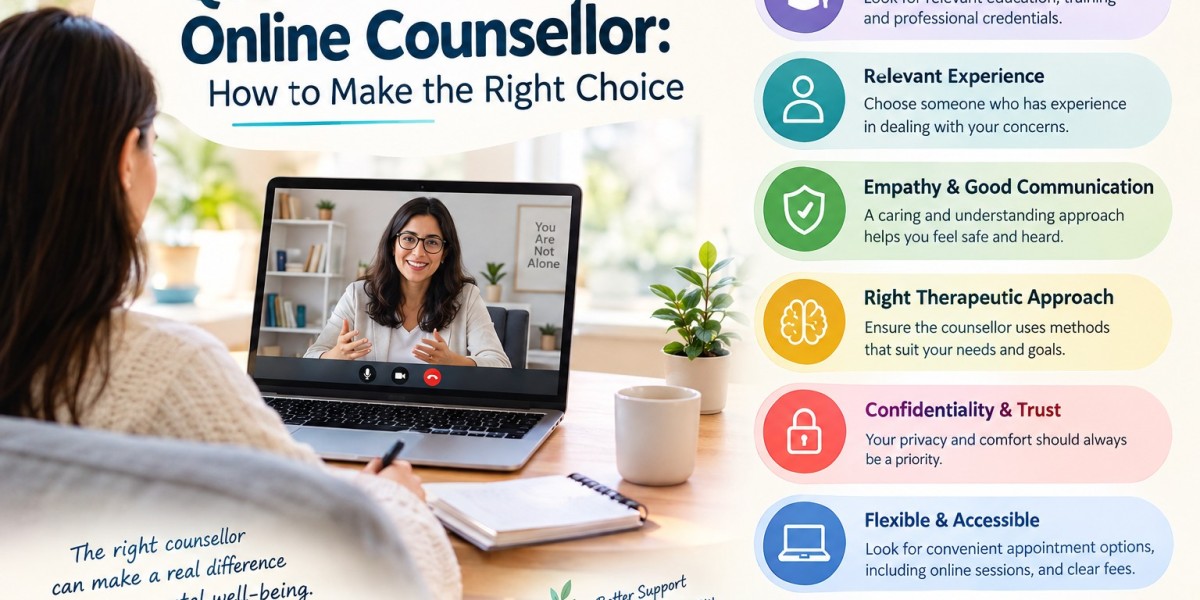

Choosing the right mental health professional is an important decision, especially when support is sought through a digital platform. As online counselling becomes more accepted, people can access qualified professionals without needing to visit a clinic in person. However, the counsellor’s qualifications, experience, ethics, and abilities also matter. A suitable online counsellor can make the counselling process comfortable, structured, and meaningful. Therefore, understanding the qualities that distinguish a good professional can help an individual make a more informed choice.
Professional Qualifications and Experience
A counsellor should have appropriate academic qualifications, professional training, and relevant experience. Mental health concerns can vary significantly, ranging from everyday stress and anxiety, family problems, and difficulties to more complex psychological conditions such as depression, social anxiety, and addiction. A professional with the right expertise is better positioned to understand the nature of a concern and choose an appropriate therapeutic approach.
A skilled professional knows how to listen, assess concerns, set goals, and adapt sessions to an individual’s needs. When selecting a professional, individuals can consider:
Educational qualifications and professional credentials
Relevant counselling or therapy experience
Areas of specialisation
Professional memberships or registrations, where applicable
Experience with the concerns for which support is being sought
Why Selecting A Good Online Counsellor Matters
Good counselling skills also help a professional understand an individual’s concerns more effectively. Through active listening, empathy, clear communication, and thoughtful questioning, a counsellor can identify emotional control and behavioural patterns and help the individual work towards appropriate goals. A counsellor with good skills can also:
Build trust through respectful and non-judgmental communication
Understand concerns without making assumptions or rushing to conclusions
Adapt the counselling approach according to individual needs
Maintain appropriate professional boundaries and confidentiality
Help individuals develop healthy boundaries and decision-making skills
Recognise when additional or specialised professional support may be required
This becomes particularly important in online counselling, where body language and other in-person cues may be limited. Strong listening and communication skills can help bridge this gap and make virtual sessions more engaging and supportive.
Essential Skills of a Good Counsellor
Counseling involves more than listening to a person’s concerns. It requires the ability to understand emotions, communicate thoughtfully, maintain professional boundaries, and guide individuals towards healthier ways of managing their challenges.
Strong Communication Skills :- Effective communication is central to successful online therapy. Since virtual sessions depend heavily on verbal communication, a counsellor needs to listen attentively and communicate clearly. A professional counsellor encourages clients to express thoughts and emotions openly while asking appropriate questions that promote self-reflection. These qualities can help create a space where difficult subjects can be discussed without unnecessary pressure, increasing self-esteem.
Empathy Without Judgment :- A counsellor should demonstrate empathy without making the individual feel criticised or dismissed when the person is experiencing emotional difficulties, uncertainty, or personal challenges. It involves recognizing the individual’s feelings and perspective while helping them explore healthier ways of responding. The counsellor should be comfortable with diversity & inclusion.
Ability to Build Trust and Rapport:- Trust between the client and the counsellor is built on the strength of how strong their therapeutic relationship is and can influence how comfortable an individual feels during counselling. The right counsellor should be consistent, respectful, attentive, and transparent to make the individual feel heard rather than rushed.
Clear Professional Boundaries :- Setting clear and professional boundaries is an essential part of counselling, as it is appropriate throughout the therapeutic relationship and communicates clearly about the nature of the professional service. This is especially relevant when individuals are working through relationship difficulties or interpersonal problems.
Personalised Approach :-A good professional takes the individual’s circumstances, preferences, goals, and concerns into account before determining how sessions should progress. Personalisation can involve selecting appropriate therapeutic techniques, setting realistic objectives, reviewing progress, and modifying the approach when necessary. Whether it be time management skills or problems related to social anxiety, the counsellor should know what ways to help the client.
Encourages Independence and Growth:- Effective counseling should gradually help people develop greater awareness, coping abilities, decision-making skills, and emotional resilience. A good counsellor encourages resilience, helps them understand their thought patterns and emotional responses, and supports goal setting to make the counseling focused and measurable.
Transparency About the Counseling Process
A trustworthy counsellor should explain how the counselling process works rather than making unrealistic promises. Individuals should have a clear understanding of what sessions may involve, how frequently they may occur, how progress can be evaluated, what issues have been discussed, and makes space for self-improvement.
How to Choose the Right Online Counsellor For You
Finding the right professional involves more than selecting the first available option. Making the right choice combines professional competence with empathy, ethical conduct, clear communication, and a personalised approach. A few quick pointers you need to keep in mind while choosing are:
Check their qualifications and credentials.
Look for relevant counselling experience.
Choose an approach that suits your needs.
Ensure privacy and confidentiality.
Check fees and availability.
Read genuine client reviews.
Consider your preferred session format.
Choose someone you feel comfortable with.
Book a trial session before committing.
Choosing the right online counsellor can make your counselling journey more comfortable and effective. Take your time, explore your options, and choose someone you feel confident and comfortable with.
Conclusion
A good online counsellor is defined not simply by availability or convenience but by the quality of professional support provided. Qualifications, experience, empathy, communication, confidentiality, boundaries, and adaptability are all important qualities to consider. As online counseling platforms like TalktoAngel continue to become an accessible option for mental health support, individuals have greater opportunities to find professionals suited to their needs. Taking time to assess these qualities can help create a more comfortable therapeutic relationship and support a purposeful counselling journey.
Finding the right online counsellor involves looking for someone who is empathetic, non-judgmental, attentive, and responsive to your individual needs. Choosing professional online support for stress, anxiety, and emotional well-being can make the counselling experience more comfortable, personalised, and effective.