
Energy is one of the most important resources for modern industrial operations. Manufacturing plants, processing units, warehouses, and production facilities depend on electricity to operate machinery, maintain production schedules, manage equipment, and deliver products on time. When electricity expenses increase, businesses may face additional pressure on operating budgets, production costs, and future expansion plans. This makes energy planning an essential part of industrial management.
Industrial Solar Projects offer businesses an opportunity to generate electricity from sunlight and improve the way they manage their energy requirements. By investing in a properly designed solar system, industrial facilities can use available rooftop or ground space to produce power for suitable daytime operations. The right solution can help reduce dependence on conventional electricity and provide greater control over long-term energy planning.
In Pakistan, where electricity costs can place considerable pressure on industrial businesses, solar power has become an important consideration for companies looking to improve efficiency. Green Power Engineering Solutions provides solar energy solutions designed around the requirements of residential, commercial, and industrial customers. For industrial clients, a carefully planned project can support operational efficiency, responsible energy use, and future business development.
What Are Industrial Solar Projects?
Industrial Solar Projects involve the planning, engineering, installation, and maintenance of solar power systems designed for factories and other large-scale facilities. Unlike a small residential installation, an industrial project must account for substantial electricity consumption, complex electrical infrastructure, machinery requirements, available installation space, and production schedules.
A suitable Industrial Solar System begins with understanding how a facility consumes electricity throughout the day. Engineers assess the existing electrical load, equipment requirements, roof or ground conditions, and the amount of solar generation that may be practical for the site. This information helps determine the appropriate system capacity and configuration.
Depending on the facility's needs, a project may use an on-grid, hybrid, or off-grid configuration. Each option has different technical requirements and operational considerations. The most suitable design depends on the existing power infrastructure, backup requirements, consumption patterns, budget, and applicable regulations.
For industrial businesses, the objective is not simply to install solar panels. It is to develop an energy solution that works effectively with existing operations and supports the facility's long-term requirements.
How Industrial Solar Power Can Help Control Operating Costs
Electricity is a recurring expense for many manufacturing and processing businesses. Machinery, ventilation, pumps, compressors, lighting, and production equipment can create substantial demand throughout operating hours. Solar energy provides another source of electricity that may offset part of this demand.
With Industrial Solar Power, a facility can use the electricity generated by its solar panels to support suitable loads during periods of sunlight. When solar production aligns with daytime consumption, the system may reduce the amount of electricity required from the grid. The actual financial benefit depends on system capacity, generation, tariff structure, consumption patterns, equipment performance, and other site-specific factors.
Businesses considering Industrial Solar Projects in Pakistan should evaluate the investment using their actual electricity bills and load data rather than relying on general savings estimates. A detailed assessment can help estimate potential generation, expected bill reductions, maintenance requirements, and the likely financial return over the system's useful life.
This approach also supports better budgeting. Instead of treating energy costs as an expense that cannot be managed, businesses can explore whether part of their electricity demand can be met through an on-site renewable energy system.
Solar Power for Factories With Different Energy Requirements
Industrial facilities do not all consume electricity in the same way. A textile unit may operate multiple production machines, while a food processing facility may need refrigeration, packaging equipment, and processing lines. Warehouses may require lighting, ventilation, material-handling equipment, and temperature control.
Effective Solar Power for Factories starts with understanding these differences. A system that works well for one factory may not be suitable for another with different operating hours, equipment, and power requirements.
For facilities with substantial daytime consumption, solar power may directly support a meaningful portion of their electricity demand. Businesses operating outside daylight hours may require a different strategy, such as combining solar generation with grid electricity or evaluating battery storage for selected loads.
Solar Energy for Industries should therefore be planned according to operational needs rather than a standard package. Customized engineering helps businesses select a practical system that complements their current infrastructure and can accommodate future changes in production.
Industrial Rooftop Solar: Making Better Use of Available Space
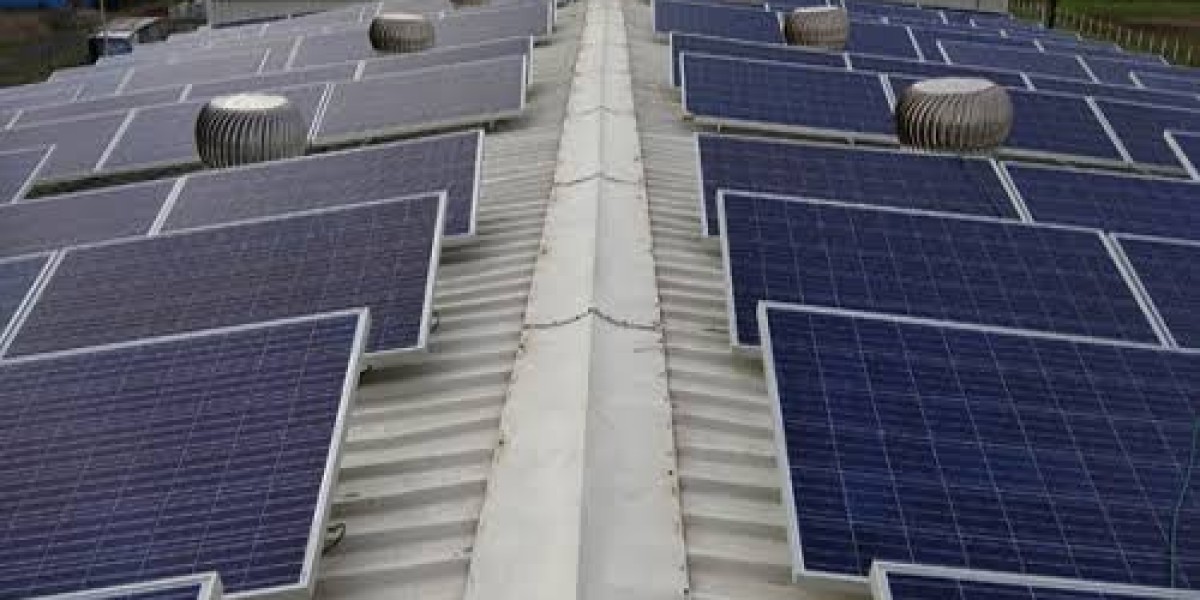
Large factories and warehouses often have significant roof areas that may be suitable for solar installation. Industrial Rooftop Solar can help businesses make productive use of this existing space without necessarily allocating additional land for power generation.
However, not every roof is suitable for a solar installation. Structural strength, roof condition, waterproofing, shading, access routes, wind loading, and maintenance requirements must be considered before installation begins. Industrial buildings may also contain ventilation systems, skylights, water tanks, and other features that affect panel placement.
A professional site assessment can identify usable roof sections and determine a layout that balances generation potential with safety and access. Where rooftop installation is not practical, businesses may explore suitable ground-mounted alternatives if land and site conditions permit.
A well-designed Industrial Solar System should support reliable operation while allowing maintenance teams to access equipment and perform necessary building inspections. Careful planning at the beginning can help prevent avoidable complications later.
Choosing the Right Industrial Solar Solutions
Selecting the right Industrial Solar Solutions requires more than comparing panel prices or system capacities. Businesses should consider equipment quality, engineering standards, installation practices, safety measures, monitoring capabilities, and ongoing technical support.
A comprehensive project typically includes several important stages:
Energy assessment: Reviewing electricity bills, load profiles, production schedules, and expected future demand.
Site evaluation: Examining roof or ground conditions, shading, available space, and installation requirements.
System design: Selecting suitable panels, inverters, mounting structures, protection equipment, and system capacity.
Electrical integration: Planning how the solar installation will connect with the facility's existing electrical infrastructure.
Installation and commissioning: Installing equipment, completing safety checks, and verifying system operation.
Monitoring and maintenance: Tracking performance and arranging inspections or repairs when required.
These steps help ensure that Large-Scale Solar Systems are developed around the facility's actual requirements. Working with an experienced solar engineering provider can also help industrial businesses coordinate technical planning, installation, and post-installation support more effectively.
On-Grid, Hybrid, and Off-Grid Systems for Industrial Facilities
Different industrial facilities may require different solar configurations. Understanding the available options is an important part of choosing an appropriate solution.
An on-grid system operates alongside the electricity grid and can supply solar power to suitable facility loads when sunlight is available. Its performance and financial benefits depend on the site's consumption and applicable electricity arrangements.
A hybrid system combines solar generation with battery storage and/or other power sources, depending on its design. It may be appropriate for facilities that need selected backup capabilities or more flexible energy management. Battery capacity, supported loads, and backup duration must be evaluated carefully because storage adds technical complexity and cost.
An off-grid system operates without relying on a conventional electricity grid connection. For an industrial facility, this generally requires careful planning around generation capacity, storage, demand, and power reliability.
The most suitable configuration for Industrial Solar Projects depends on the site's operating conditions and business priorities. A technical assessment helps determine which option is practical and whether additional backup infrastructure is necessary.
Improving Industrial Energy Management Through Solar
Solar installation can become part of a broader strategy for improving energy use across a facility. Industrial Energy Management involves understanding when electricity is consumed, identifying inefficient equipment, and finding opportunities to coordinate energy demand with available supply.
For example, a factory may be able to schedule certain flexible operations during periods of stronger solar generation. Other improvements may include upgrading inefficient lighting, maintaining motors and electrical equipment, and monitoring high-consumption machinery.
When businesses combine these practices with Industrial Solar Power, they can gain a clearer understanding of their energy requirements and identify areas for further improvement. Monitoring system generation alongside facility consumption can also help managers identify unusual changes in performance.
Solar panels alone will not solve every energy challenge. However, when integrated into a wider efficiency plan, they can support better resource management and help businesses make more informed decisions about energy investment.
The Importance of Professional Industrial Solar Installation
A large industrial installation must work safely with existing electrical systems and production infrastructure. Poor planning can create avoidable issues involving equipment placement, electrical protection, maintenance access, or system performance.
Professional Industrial Solar Installation begins with a detailed understanding of the site. The design should account for appropriate equipment ratings, electrical protection, cable routing, mounting requirements, and the facility's operating conditions. Installation work should also be coordinated with site management to reduce unnecessary disruption to normal activities.
Before commissioning, the system should undergo relevant inspections and functional checks. Businesses should receive clear information about system operation, monitoring, maintenance requirements, and the procedures to follow if a fault occurs.
Green Power Engineering Solutions can help industrial customers evaluate their energy needs and explore customized solar solutions for their facilities. Businesses should discuss site conditions, technical requirements, expected electricity usage, and project objectives before finalizing an installation proposal.
Industrial Solar Maintenance and Long-Term Performance
Solar installations require ongoing attention to maintain performance and identify developing problems. Dust, debris, shading changes, electrical faults, and equipment deterioration can affect generation if they are not addressed appropriately.
Industrial Solar Maintenance may include panel inspections, cleaning when necessary, inverter checks, electrical connection assessments, protection-system inspections, and performance monitoring. Maintenance frequency should reflect local environmental conditions, manufacturer recommendations, and the site's operating requirements.
Industrial facilities should also maintain clear records of system performance and service activities. Comparing actual generation with expected output can help identify issues that require investigation. Monitoring equipment may make it easier to detect unusual performance changes and arrange timely technical support.
A planned maintenance schedule helps businesses protect their solar investment and manage operational risks. When selecting an industrial solar provider, companies should ask about maintenance arrangements, warranty terms, technical assistance, and the availability of replacement equipment.
Why Choose Green Power Engineering Solutions?
Industrial energy projects require an approach that considers engineering, business objectives, and long-term performance. Green Power Engineering Solutions supports customers seeking practical solar energy solutions tailored to their individual requirements.
For industrial businesses, the project planning process should focus on understanding electricity consumption, evaluating site suitability, identifying the appropriate system configuration, and establishing realistic expectations for performance and financial benefits.
The company offers a range of solar services, including customized energy planning, solar installation, energy optimization, and maintenance and technical support. These services can help businesses assess their options and plan a solar project around their facility's needs.
Whether a company is exploring rooftop solar for an existing factory or considering a larger system for an industrial facility, professional planning is an important first step. The right solution should be based on actual consumption data, site conditions, budget, and the company's future energy requirements.
Conclusion: Plan Your Next Industrial Solar Project
Energy efficiency is an important consideration for factories and industrial businesses looking to manage costs, maintain productivity, and prepare for future growth. A carefully designed solar installation can help suitable facilities generate on-site electricity, reduce dependence on conventional power, and strengthen their long-term energy strategy.
The success of Industrial Solar Projects in Pakistan depends on proper system design, reliable equipment, safe installation, realistic financial planning, and consistent maintenance. Businesses that assess their electricity consumption and site conditions before investing are better positioned to identify a solution that fits their operational requirements.
Green Power Engineering Solutions can help your business explore customized Industrial Solar Solutions designed around its energy needs and future objectives. Review your facility's electricity usage, assess your available installation space, and discuss your project requirements with a professional solar team.
Contact Green Power Engineering Solutions today to discuss an industrial solar solution for your factory, manufacturing unit, or large-scale facility.
Frequently Asked Questions (FAQs)
1. What are the main benefits of Industrial Solar Projects?
Industrial Solar Projects can help factories generate their own electricity, potentially reduce grid electricity consumption, improve energy planning, and support sustainability objectives. The actual benefits depend on system design, site conditions, electricity usage, and local tariff arrangements.
2. How do I choose the right Industrial Solar System for my factory?
Choosing the right Industrial Solar System requires an assessment of electricity bills, equipment loads, production schedules, roof or ground space, electrical infrastructure, and future expansion plans. A professional site survey can help determine a suitable system capacity and configuration.
3. How can Industrial Solar Power reduce electricity costs in Pakistan?
Industrial Solar Power can reduce the amount of electricity purchased from the grid when solar generation supplies a portion of a facility's energy demand. Potential savings depend on the system's output, the factory's consumption patterns, electricity tariffs, installation costs, and ongoing maintenance.