
Heating accounts for a significant part of household energy use across the UK. As homeowners look for ways to reduce emissions and improve heating efficiency, low-carbon technologies are becoming an important part of home improvement planning.
The Boiler Upgrade Scheme (BUS) is a government initiative designed to help eligible property owners in England and Wales switch from fossil fuel heating systems to cleaner alternatives, including heat pumps and, in certain circumstances, biomass boilers.
Understanding how the boiler upgrade scheme uk works can help homeowners explore the available options before planning a heating system replacement.
What Is the Boiler Upgrade Scheme?
The Boiler Upgrade Scheme is designed to encourage the adoption of low-carbon heating technologies by reducing their upfront installation costs.
Rather than providing a general grant for replacing an old gas boiler with another gas boiler, the scheme supports eligible installations of specific low-carbon heating systems.
Key points include:
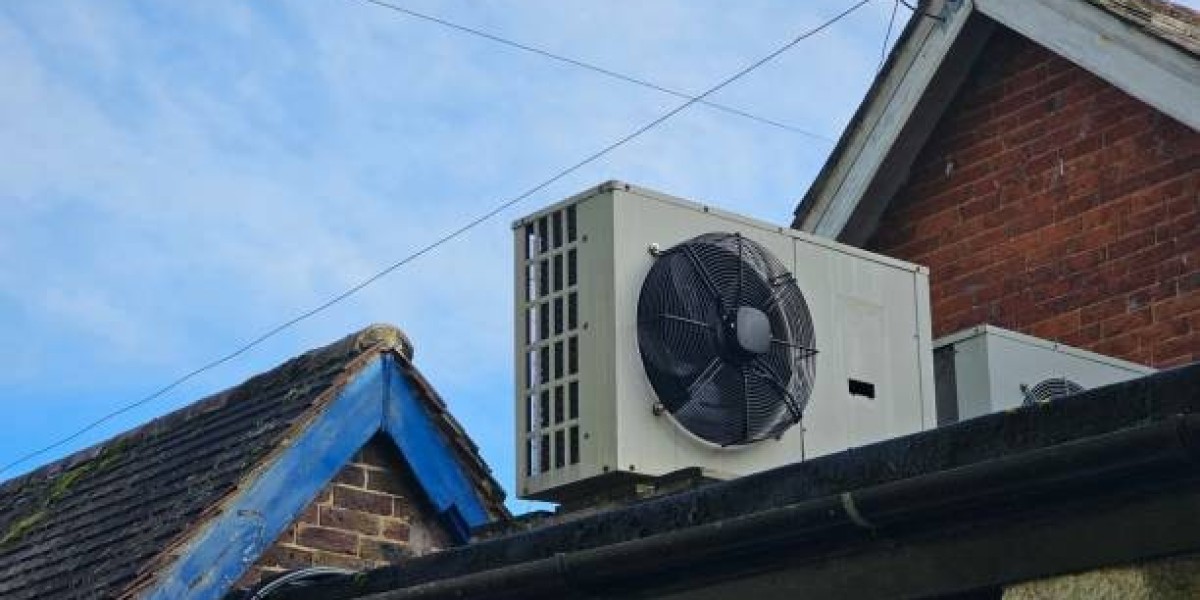
Air source heat pumps: Extract heat from the outside air to warm a property.
Ground source heat pumps: Use heat stored underground to provide heating.
Biomass boilers: Use eligible biomass fuels and qualify only under specific scheme conditions.
The boiler upgrade scheme uk is intended to make eligible low-carbon heating installations more accessible to property owners.
How Much Funding Can Homeowners Receive?
Under the established BUS grant structure, eligible installations can receive funding towards the cost of an approved heating system.
Heating technology | Grant amount |
|---|---|
Air source heat pump | £7,500 |
Ground source heat pump | £7,500 |
Eligible biomass boiler | £5,000 |
These amounts are subject to the scheme's current rules, technology requirements and eligibility conditions. Homeowners should confirm the latest terms before making financial decisions.
The grant is generally applied through the approved installer, reducing the amount the property owner needs to pay towards an eligible installation.
Which Properties May Qualify?
Eligibility depends on the property, the proposed installation and the requirements in force when the application is submitted.
Homeowners should consider the following points before arranging a boiler upgrade.
Property Location
The scheme covers eligible properties in England and Wales. Different support arrangements may apply in Scotland and Northern Ireland.
Existing Heating System
The scheme has requirements concerning the existing heating system and the type of replacement being installed. It is not a general grant for replacing one fossil fuel boiler with another.
Property Standards
The property must meet the applicable energy-efficiency requirements, including relevant insulation and Energy Performance Certificate (EPC) conditions, unless an exemption applies.
Approved Installer
The installation must be completed through an appropriately certified installer who can meet the scheme's requirements.
Checking these conditions before proceeding can help homeowners avoid unexpected costs or delays.
Why Are Homeowners Considering a Boiler Upgrade?
An ageing heating system can become less reliable and may require more frequent repairs. Replacing it also gives homeowners an opportunity to review their property's overall energy performance.
A suitable boiler upgrade or low-carbon heating installation may offer several advantages:
Improved heating system performance
Reduced reliance on fossil fuels
Potential reductions in household carbon emissions
Access to eligible government grant support
Better alignment with longer-term home energy improvements
Actual savings depend on the property, energy tariffs, insulation, existing heating equipment and how the new system is operated.
How Does the Boiler Upgrade Process Work?
Planning a low-carbon heating installation involves more than selecting equipment. The property must be assessed to determine the appropriate system size and installation requirements.
A typical process includes the following steps:
Assess the property: Review insulation, existing heating equipment and heat demand.
Check eligibility: Confirm that the property and proposed technology meet the scheme requirements.
Choose an approved installer: Obtain advice and a quotation from a suitably certified professional.
Select the heating system: Determine whether an air source or ground source heat pump is appropriate.
Arrange the grant application: The installer normally manages the BUS application and obtains the required consent.
Complete installation: The system is installed, commissioned and explained to the homeowner.
Understanding these stages helps homeowners plan a boiler upgrade with clearer expectations about costs and timescales.
Is a Heat Pump Suitable for Every Home?
Heat pumps can work in many different property types, but suitability depends on the building's characteristics and heating requirements.
Before recommending a system, an installer should assess:
Property size and heat loss
Existing radiators or underfloor heating
Insulation levels
Available outdoor or ground space
Hot water requirements
Electrical and installation considerations
Some homes may need radiator upgrades or insulation improvements to achieve the desired performance. A professional assessment can identify these requirements before work begins.
What Should Homeowners Know About Costs?
The BUS grant contributes towards eligible installation costs, but it does not necessarily cover the full project price.
Homeowners should request a detailed quotation that explains:
Total equipment and installation costs
The applicable grant amount
Any remaining payment
Additional electrical or heating work
Potential insulation improvements
Maintenance requirements
Comparing quotations on the basis of the complete installation can help homeowners understand the overall value rather than focusing solely on the advertised grant.
How Can Homeowners Prepare for a Heating Upgrade?
Preparation can make the installation process more straightforward and help homeowners make informed decisions.
Before committing to a boiler upgrade, property owners should:
Review their current heating bills and system performance.
Check insulation and existing EPC information.
Compare suitable low-carbon heating technologies.
Confirm current BUS eligibility and grant conditions.
Ask installers about warranties and aftercare.
Consider long-term running costs as well as installation expenses.
The boiler upgrade scheme uk provides an opportunity for eligible homeowners to explore cleaner heating technologies with financial support towards installation.
Moving Towards More Sustainable Home Heating
Improving home heating requires a balance between comfort, energy performance, installation costs and long-term running expenses. Government support can help reduce the initial cost of switching to eligible low-carbon technologies, but the right solution depends on each property's needs.
By understanding the Boiler Upgrade Scheme, checking eligibility and obtaining professional advice, homeowners can make better-informed decisions about their heating systems and plan improvements that suit their homes.