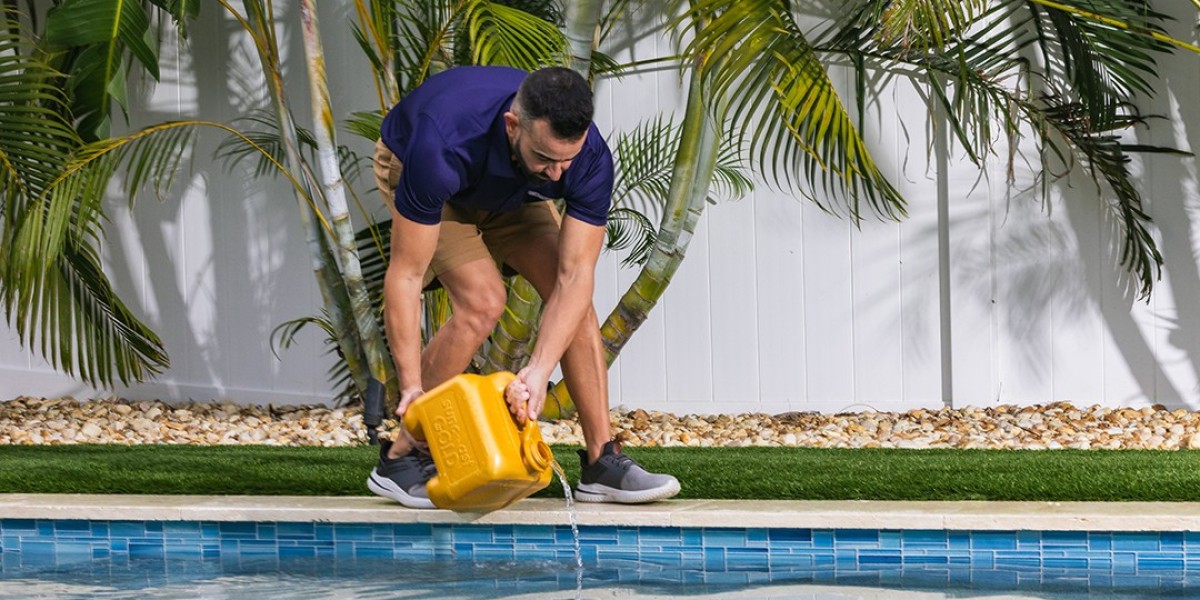

A well-maintained swimming pool needs consistent attention, not occasional cleaning when the water starts looking cloudy. Following a structured checklist helps homeowners identify what should happen during each visit and makes it easier to recognize incomplete service. A quality swimming pool weekly service should cover water chemistry, debris removal, surface cleaning, circulation, filtration, and basic equipment checks. Regular maintenance can also help protect pool equipment and keep the swimming environment cleaner throughout the season.
Water Chemistry Testing and Balancing
Water testing should be one of the first priorities during a weekly pool service visit. A technician should evaluate important chemistry measurements such as sanitizer levels, pH, and total alkalinity, along with other parameters when the pool's condition requires them. Chemical adjustments should be based on actual test results rather than assumptions. Maintaining appropriate water balance supports sanitation, swimmer comfort, and the proper operation of pool surfaces and equipment.
A quality technician should also pay attention to recurring chemistry changes. If pH consistently rises or falls, for example, simply making the same adjustment every week may not address the underlying reason. Swimmer activity, rainfall, evaporation, source water, and other factors can influence chemistry. Recording test results over time can help identify patterns and allow maintenance decisions to be based on the pool's actual behavior.
Skimming, Brushing, and Vacuuming
Removing physical debris is another essential part of weekly pool maintenance. Leaves, insects, dirt, pollen, and other materials can accumulate on the surface and settle along the pool floor. Skimming removes floating debris, while brushing helps loosen buildup from walls, steps, corners, and other surfaces. Vacuuming then removes material that has settled where normal circulation may not be enough.
The cleaning process should cover areas that are easy to overlook. Steps, benches, tile lines, corners, ladders, and areas around fittings can collect contaminants over time. A thorough technician should not focus only on the most visible parts of the pool. Consistent attention to these areas can help reduce buildup and make it easier to identify unusual stains, algae growth, surface damage, or other conditions that may require additional attention.
Checking Baskets and Circulation
Skimmer and pump baskets should be inspected and emptied as needed during routine service. When baskets become packed with leaves or debris, water flow can be restricted and circulation efficiency may suffer. Good circulation is important because treated water needs to move throughout the pool rather than remaining stagnant in certain areas. A weekly service visit provides an opportunity to identify restrictions before they become more significant.
Technicians should also observe the overall circulation system for unusual performance. Weak return flow, strange pump sounds, leaks, or other changes can indicate that equipment needs further inspection. Routine service is not the same as equipment repair, so a technician should communicate clearly when a problem falls outside standard cleaning. Early identification can help homeowners address equipment concerns before they interfere with regular pool operation.
Inspecting and Maintaining the Filter
The pool filter is responsible for removing suspended particles from circulating water, making its condition an important part of weekly maintenance. A technician should check whether the filter is operating normally and look for signs of excessive pressure, restricted flow, or other unusual conditions. The appropriate maintenance depends on whether the pool uses a sand, cartridge, or other type of filtration system.
Filter cleaning should be performed according to the equipment manufacturer's recommendations rather than automatically during every weekly visit. Over-cleaning or using an unsuitable cleaning method can be counterproductive, while neglecting necessary maintenance can reduce filtration performance. A professional should know the difference between routine observation and a filter that actually requires cleaning, backwashing, media replacement, or specialized service.
Pool Equipment and Safety Checks
A quality weekly service should include a basic visual inspection of accessible pool equipment. Pumps, filters, heaters, valves, automation components, and visible plumbing should be observed for obvious signs of leaks, damage, unusual sounds, or other changes. These checks do not replace professional equipment diagnostics, but they can help identify issues that deserve closer attention.
Safety-related features should also be considered during routine maintenance. Pool covers, gates, surrounding areas, lighting, and other accessible features may show signs of wear or damage that homeowners should know about. Technicians should report concerns rather than attempting unauthorized repairs. Clear communication about equipment and safety observations adds value to a weekly service because homeowners receive information about the overall condition of their pool, not just its appearance.
Understanding Service Value and Pool Ownership Costs
Homeowners sometimes compare weekly maintenance expenses with the average cost of inground pools when evaluating the overall cost of owning a swimming pool. However, the purchase or installation cost and ongoing maintenance expenses are separate considerations. An inground pool represents a significant investment in a property, while regular cleaning, chemical management, equipment care, utilities, and repairs contribute to long-term ownership costs.
The cost of weekly service can vary depending on pool size, service frequency, location, condition, required tasks, and the type of equipment installed. Instead of choosing a provider solely based on the lowest price, homeowners should compare what is included in each service visit. A clearly defined checklist can make it easier to determine whether a quoted price represents basic cleaning or a more comprehensive maintenance program.
Seasonal and Weather-Related Adjustments
A weekly maintenance checklist should be flexible enough to account for changing conditions. Heavy storms can introduce large amounts of debris and rainwater into a pool, while periods of high use can increase the demand for cleaning and chemical monitoring. Nearby trees and landscaping may also cause additional debris throughout certain times of the year. These conditions can make temporary adjustments to the normal service routine worthwhile.
Technicians should also look for changes caused by weather and seasonal use. Water levels, chemistry, debris accumulation, and equipment performance may behave differently throughout the year. A dependable service provider should recognize these changes and explain when additional maintenance is recommended. This demonstrates practical expertise and helps homeowners understand why the same checklist may occasionally require more or less attention.
What a Complete Weekly Service Should Deliver
A quality swimming pool weekly service should leave homeowners with more than a pool that simply looks clean. The visit should address water chemistry, physical cleaning, baskets, circulation, filtration, and visible equipment conditions. Any unusual findings should be communicated clearly, along with recommendations for specialized repairs or additional maintenance when necessary. A structured checklist creates consistency and reduces the chance of important tasks being overlooked.
Homeowners should feel comfortable asking their pool service provider what is included in each visit. Clear expectations make it easier to evaluate service quality and identify areas that may require additional attention. Regular professional maintenance cannot eliminate every possible pool problem, but it can provide consistent oversight and help catch developing concerns earlier. By using a thorough weekly checklist and choosing a provider that values careful maintenance, homeowners can better protect their investment and enjoy a cleaner, more reliable swimming pool.