
Managing employee accountability becomes more challenging as businesses grow. Teams may work across different locations, follow flexible schedules, or handle multiple projects at the same time. Without clear visibility, managers can struggle with missed deadlines, incomplete tasks, unclear responsibilities, and communication gaps.
Traditional methods like spreadsheets, manual reports, and regular check-ins often provide limited information. Businesses need better ways to understand work progress while creating a transparent and supportive working environment.
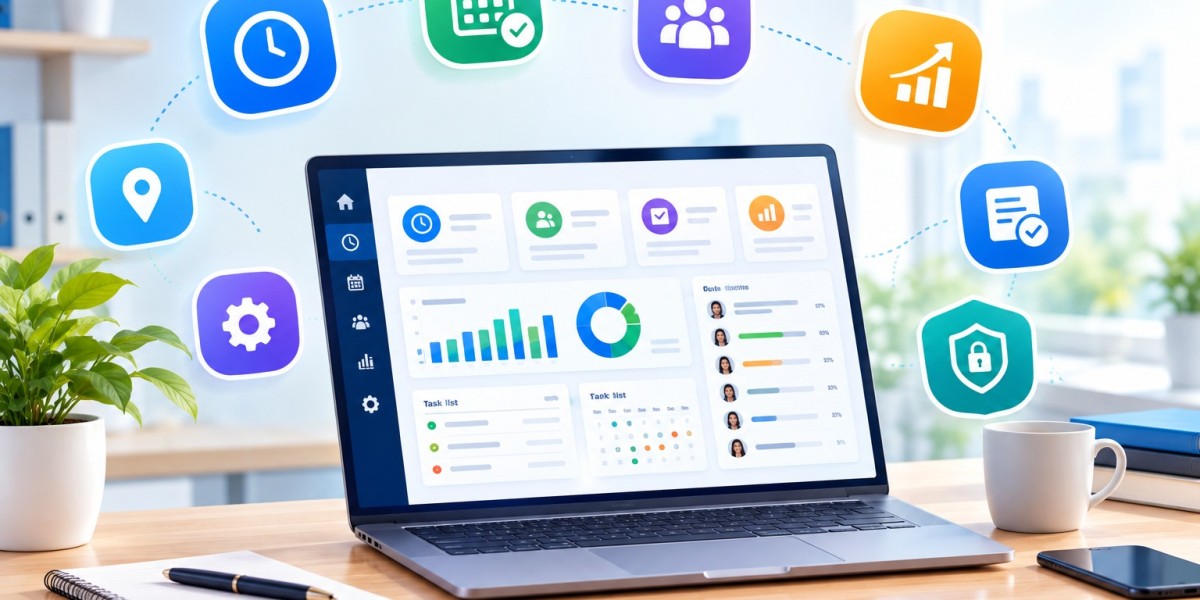
Digital tools, including employee accountability software, help organisations improve visibility, track responsibilities, monitor progress, and build stronger workplace accountability through accurate data and clear processes.
What Is Employee Accountability Software?
Employee accountability software is a digital solution that helps businesses track work activities, responsibilities, and performance-related information.
These tools can help managers understand:
- How employees spend their working hours
- Whether tasks are progressing as planned
- Where workflow problems may exist
- How teams collaborate and complete projects
The purpose is not only monitoring employees. It is creating clearer expectations, improving communication, and helping teams achieve better results.
Why Employee Accountability Matters in Modern Workplaces
Employee accountability plays an important role in business performance. When employees understand their responsibilities and goals, teams can work more efficiently.
Poor accountability can lead to:
- Missed deadlines
- Unclear ownership of tasks
- Reduced productivity
- Poor communication
- Increased management workload
Digital tools provide businesses with structured information to identify these challenges and improve daily operations.