
Medical Instrument Manufacturer
A medical instrument manufacturer in Pakistan operates within one of the country's most successful export sectors. The industry is dominated by a cluster of manufacturers based primarily in Sialkot, a city in Punjab province that has become synonymous with surgical instrument production. The country is home to thousands of manufacturers who collectively produce approximately 20,000 types of instruments and export to 172 countries worldwide. This makes Pakistan one of the dominant global suppliers in this specialized field, and the industry has earned a strong reputation for quality and reliability over the decades.
The geographic concentration of this industry in Sialkot is remarkable. The city alone accounts for a substantial portion of global surgical instrument manufacturing, with estimates suggesting that it produces nearly a quarter of the world's hand-held surgical instruments. This concentration has created a specialized ecosystem of skilled craftsmen, supporting industries, and export infrastructure that would be difficult to replicate elsewhere. The medical instrument manufacturer based in this region benefits from generations of accumulated expertise in metalworking, precision engineering, and quality control. Families have passed down these skills from one generation to the next, creating a workforce that understands the finest details of instrument production.
The Range of Products Manufactured
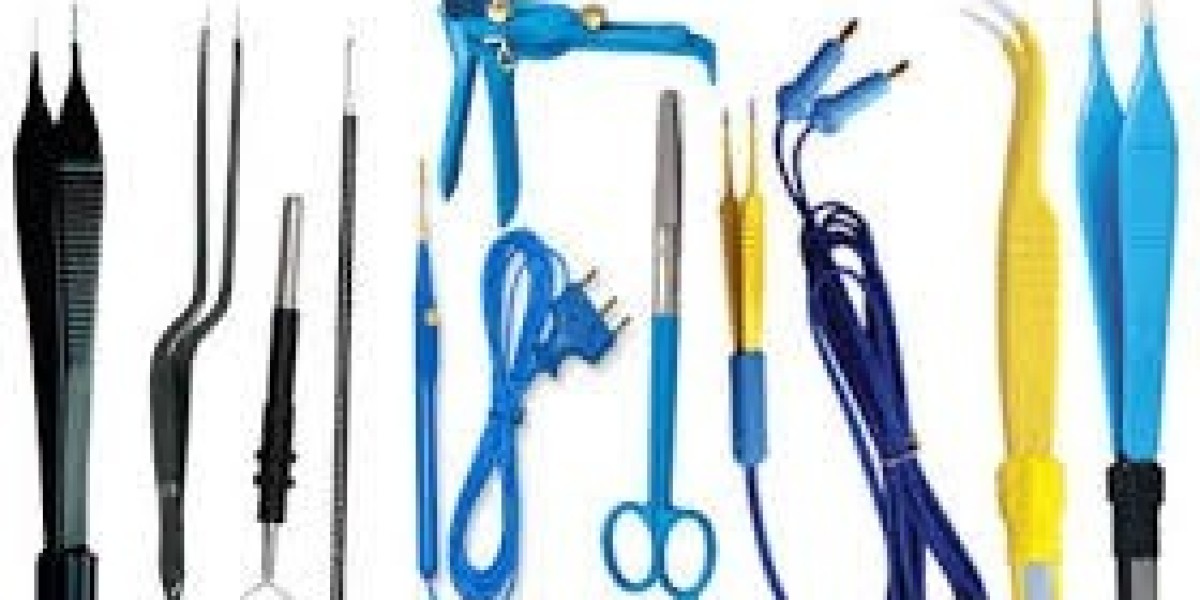
The medical instrument manufacturer in Pakistan produces an extraordinarily diverse portfolio of products that spans nearly every surgical specialty. At the most basic level, manufacturers produce general surgical tools including forceps, scissors, scalpels, retractors, and clamps that are used in operating rooms around the world. These fundamental instruments form the backbone of the industry's output and are exported in large volumes to markets across Europe, North America, and Asia. They are the everyday tools that surgeons rely on for routine procedures, and Pakistani manufacturers have mastered the art of producing them efficiently and consistently.
More specialized manufacturers have developed expertise in producing instruments for sensitive surgical disciplines. Pakistani companies now manufacture cardiovascular instruments including vascular clamps and micro-scissors, neurosurgical tools such as aneurysm clips and dissectors, and ophthalmic instruments including keratomes, microsurgical forceps, and corneal scissors. This specialization reflects the industry's evolution from producing simple hand tools to manufacturing instruments that meet the exacting standards required for delicate surgical procedures. The medical instrument manufacturer in Pakistan has demonstrated the capability to produce instruments for heart, brain, and eye surgery, specialties where precision and reliability are absolutely critical. This ability to serve the most demanding surgical fields shows how far the industry has come from its early days.
International Certification and Quality Compliance
For a medical instrument manufacturer in Pakistan to compete in international markets, compliance with rigorous quality standards is essential. The industry has made significant progress in achieving certifications that demonstrate adherence to global best practices. Many Pakistani manufacturers now hold ISO 13485 certification, which is the internationally recognized standard for quality management systems in medical device manufacturing. This certification requires manufacturers to implement comprehensive quality control processes, maintain detailed documentation, and undergo regular audits to ensure ongoing compliance. Achieving this certification is a major undertaking that requires serious commitment to quality at every level of the organization.
Beyond ISO 13485, Pakistani manufacturers have pursued additional certifications required for specific markets. CE marking allows access to European markets and demonstrates conformity with European Union health, safety, and environmental protection requirements. FDA registration is necessary for exporting to the United States, while Japanese JIS certification opens access to Japan's advanced healthcare market. These certifications are not merely bureaucratic requirements but reflect genuine investment in quality infrastructure, staff training, and manufacturing process improvement. The ability of Pakistani manufacturers to meet these diverse regulatory standards demonstrates the industry's maturity and its commitment to competing at the highest levels of the global market. It also provides confidence to international buyers who need assurance that the instruments they purchase meet strict safety and performance requirements.
The Economic Significance of Surgical Instrument Exports
The medical instrument manufacturing sector makes a meaningful contribution to Pakistan's export economy. Surgical goods consistently rank among the country's important export categories, and the sector has shown continued growth in recent years. This performance demonstrates the resilience and competitiveness of Pakistan's medical instrument manufacturers in international markets. Even during periods of global economic uncertainty, the demand for surgical instruments remains relatively stable because healthcare is a necessity that cannot be postponed. This gives the industry a degree of stability that many other export sectors lack.
The European market represents the largest destination for Pakistani surgical instruments, accounting for a substantial share of all exports. This concentration in Europe reflects the high regard in which Pakistani instruments are held in demanding markets where quality standards are strict and competition is intense. Beyond Europe, Pakistani manufacturers have established significant presence in markets across Asia, the Middle East, and the Americas. The industry's export success provides employment for thousands of workers and generates valuable foreign exchange earnings for the national economy. The multiplier effect of these jobs supports communities in Sialkot and surrounding areas, creating economic opportunities for skilled workers and their families.
Challenges Facing the Industry
Despite its successes, the medical instrument manufacturer in Pakistan faces significant challenges that require attention. One of the most pressing concerns is the scale of production units relative to upcoming regulatory requirements. The industry association has noted that of the country's thousands of production units, only a small fraction operate at a scale that can realistically comply with stricter European Union regulations that are being implemented. This means many smaller manufacturers may face difficulties maintaining access to European markets unless they upgrade their facilities and quality systems. The transition to stricter compliance will require significant investment in equipment, training, and process improvements.
The association representing manufacturers has set an ambitious export target for 2030, which would require substantial growth from current levels. Achieving this goal will require addressing several constraints, including the need for investment in modern manufacturing equipment, expansion of quality control capabilities, and development of a more highly skilled workforce. The industry is also working to strengthen its data systems and member engagement to better serve its exporting members. Addressing these challenges will be essential for the industry to realize its full potential and maintain its competitive position in global markets. Coordination between manufacturers, industry associations, and government agencies will be necessary to create an environment where the sector can continue to thrive and grow.
The Future of Medical Instrument Manufacturing in Pakistan
The future of the medical instrument manufacturer in Pakistan appears promising, supported by several favorable factors. The global demand for surgical instruments continues to grow as healthcare systems expand, populations age, and surgical procedures become more widely available. Pakistan's established reputation for quality, competitive pricing, and manufacturing flexibility positions the industry well to capture a growing share of this demand. The industry's participation in major international exhibitions around the world demonstrates its commitment to market development and its ability to compete globally. These events provide opportunities for Pakistani manufacturers to connect with international buyers, showcase their latest products, and stay informed about emerging trends and requirements.
Continued investment in quality certification, manufacturing technology, and workforce development will be essential for the industry's future success. The association's strategic roadmap aims to strengthen the sector's infrastructure and support its members in meeting evolving regulatory requirements. With the right investments and supportive policies, the medical instrument manufacturer in Pakistan can build on its established strengths to achieve greater success in international markets. The industry's journey from humble workshops to global supplier is a testament to Pakistani craftsmanship and enterprise, and its future potential remains substantial. As healthcare needs grow around the world, Pakistani manufacturers are well-positioned to continue providing high-quality surgical instruments that support surgeons and help patients in countries across the globe.