
Typhoid fever is a bacterial infection that can cause prolonged fever, weakness, digestive problems, and other symptoms. It is caused mainly by Salmonella Typhi and can spread through contaminated food or water. Because its early symptoms can resemble several other infections, identifying typhoid based on symptoms alone can be difficult.
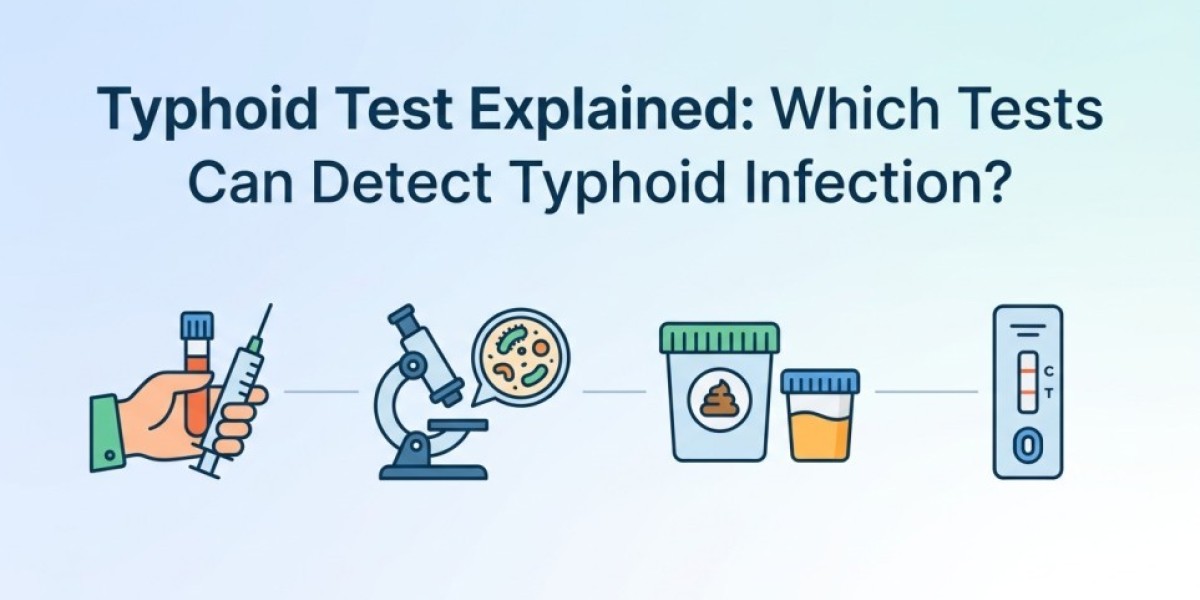
This is where laboratory testing becomes important. Different tests can help detect or support the diagnosis of typhoid fever, depending on the stage of infection, the symptoms, and the clinical situation. Among the commonly discussed tests are blood culture, the Widal test, and antibody-based rapid tests.
Understanding what these tests can and cannot tell you can help avoid confusion when evaluating a suspected typhoid infection.
What Are the Common Typhoid Symptoms?
Typhoid symptoms may develop gradually, often beginning with a persistent fever. The fever can increase over several days and may be accompanied by tiredness, headache, weakness, abdominal discomfort, loss of appetite, and changes in bowel habits.
Some people may also experience nausea, vomiting, cough, or body aches. The symptoms can overlap with illnesses such as dengue, malaria, viral infections, and other bacterial infections.
Because symptoms are not specific to typhoid, a person with prolonged fever may need laboratory testing to determine the likely cause. The choice of test can depend on how long the symptoms have been present and what the healthcare professional suspects.
Which Tests Are Used to Detect Typhoid?
Several laboratory tests may be considered when typhoid fever is suspected. The main ones include:
1. Blood Culture
Blood culture is an important laboratory method for diagnosing typhoid fever. The test attempts to identify Salmonella Typhi directly from a blood sample.
It can be particularly useful during the early stage of illness, although the likelihood of detecting the bacteria can be affected by factors such as previous antibiotic use and the timing of sample collection.
A positive blood culture provides stronger evidence of an active infection than a test that only detects antibodies. However, culture results may take longer because the laboratory needs time to grow and identify the organism.
2. Widal Test
The Widal test is one of the older and more widely known tests associated with typhoid fever. It looks for antibodies against certain antigens associated with Salmonella bacteria.
However, interpreting the Widal test is not always straightforward. Antibody levels can vary depending on previous exposure, vaccination, geographical location, and other factors. A single result may therefore not be enough to confirm an active typhoid infection.
Healthcare professionals may consider the patient's symptoms, medical history, local disease patterns, and other laboratory findings when interpreting a Widal test result.
3. Typhoid IgG+IgM Antibody Rapid Test
The Typhoid IGG+IGM Antibody Rapid Test is another test used in some settings when typhoid infection is suspected. It detects IgM and IgG antibodies associated with an immune response to Salmonella Typhi.
IgM antibodies may appear relatively earlier during an immune response, while IgG antibodies can persist for a longer period. However, antibody-based testing can have limitations, and a positive antibody result does not necessarily provide the same level of evidence as directly identifying the bacteria.
For this reason, rapid antibody tests should be interpreted along with symptoms, examination findings, and other available test results.
Is a Typhoid Test Needed for Everyone With Fever?
Not every fever is caused by typhoid. Fever can occur because of many infections and other medical conditions.
Testing may become particularly relevant when fever persists, especially when it is accompanied by symptoms that raise suspicion of typhoid or when there is a history of exposure to potentially contaminated food or water.
A healthcare professional can determine whether testing is appropriate and which test may provide useful information.
It is also important not to assume that a person has typhoid simply because they have a fever and digestive symptoms. Other infections, including dengue and malaria, may produce overlapping symptoms and require different approaches to diagnosis and management.
Can a Platelet Count Diagnose Typhoid?
A complete blood count (CBC) may be performed as part of the evaluation of someone with fever, but platelet count alone cannot diagnose typhoid.
The platelet count normal range is generally around 150,000 to 450,000 platelets per microliter of blood in adults, although reference ranges can vary slightly between laboratories.
Changes in platelet levels can occur in several infections and medical conditions. For example, a low platelet count can be seen in dengue, among other causes. Therefore, platelet results need to be considered in the context of the patient's symptoms and other test findings.
A normal or abnormal platelet count does not by itself confirm or rule out typhoid fever.
Also read: How Long Does Typhoid Take to Recover?
When Should You Get Tested for Typhoid?
People with persistent or worsening fever should consider medical evaluation rather than relying only on home treatment. Testing may be recommended when symptoms and clinical history make typhoid a possibility.
The timing of testing also matters. Different tests detect different markers of infection, and their ability to identify typhoid can vary depending on the stage of illness.
If antibiotics have already been taken, it is especially important to tell the healthcare professional, as previous antibiotic use can affect the results of certain diagnostic tests.
What Does Typhoid Treatment Involve?
Typhoid treatment generally involves appropriate antibiotics when a bacterial infection has been diagnosed or is strongly suspected by a healthcare professional. The choice of antibiotic can depend on factors such as antibiotic resistance patterns, the severity of illness, age, medical history, and local guidance.
Completing the prescribed course is important. Stopping antibiotics early without medical advice can contribute to treatment failure and antibiotic resistance.
Along with prescribed treatment, maintaining adequate fluid intake and nutrition can be important, particularly when fever, vomiting, or diarrhea is present.
Self-medication with antibiotics should be avoided because the wrong medicine or dose may not effectively treat the infection and can contribute to antibiotic resistance.
Do Typhoid Home Remedies Help?
People often search for typhoid home remedies to manage fever or weakness. Supportive measures such as drinking enough fluids, getting adequate rest, and eating easily tolerated foods can help support recovery.
However, home remedies cannot replace appropriate medical evaluation or antibiotic treatment when typhoid fever is confirmed or clinically suspected.
Herbal preparations and other traditional remedies may also interact with medicines or may not be suitable for everyone. Anyone with persistent fever should therefore discuss treatment options with a healthcare professional instead of relying exclusively on home remedies.
Why Accurate Diagnosis Matters
Typhoid can become serious if it is left untreated. At the same time, unnecessary antibiotic use can create its own problems. This makes accurate diagnosis and appropriate medical guidance important.
No single test should always be viewed in isolation. Blood culture, antibody tests, the Widal test, blood counts, symptoms, medical history, and physical examination may all provide pieces of information.
If fever continues for several days, becomes severe, or is accompanied by symptoms such as persistent vomiting, confusion, severe abdominal pain, dehydration, or unusual bleeding, medical attention should be sought promptly.
Final Thoughts
Typhoid diagnosis can involve different laboratory tests, and the most appropriate test depends on factors such as the stage of illness and clinical symptoms. Blood culture can help identify the bacteria directly, while tests such as the Widal test and Typhoid IgG+IgM Antibody Rapid Test look for an immune response.
Symptoms alone cannot reliably distinguish typhoid from other causes of fever. Similarly, platelet counts and other routine blood parameters may provide useful supporting information but cannot independently confirm typhoid.
If typhoid is suspected, getting appropriate medical advice and testing can help identify the cause of illness and guide suitable treatment. Early evaluation is particularly important when fever persists or symptoms become more severe.