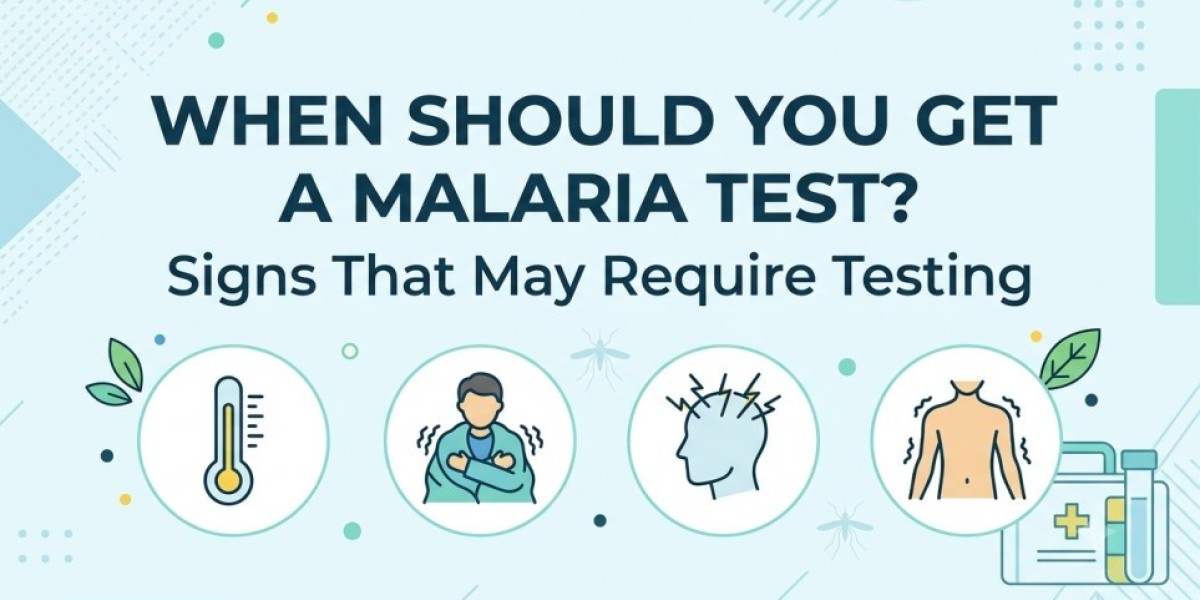

Malaria is a mosquito-borne infection that can cause fever and other flu-like symptoms. While some cases may begin with mild symptoms, malaria can sometimes become serious if it is not diagnosed and treated promptly. Knowing the common warning signs and understanding when testing may be appropriate can help people seek medical attention at the right time.
The infection is caused by Plasmodium parasites and is mainly transmitted through the bite of infected female Anopheles mosquitoes. Malaria remains a health concern in many tropical and subtropical regions, particularly during and after the rainy season.
But when does a fever require a malaria test? Understanding the pattern of symptoms, risk factors, and possible warning signs can help answer this question.
What Are the Common Malaria Symptoms?
Malaria fever symptoms can vary depending on the type of parasite involved, the person's immunity, and other factors. Symptoms may appear days or sometimes weeks after an infected mosquito bite.
Common malaria symptoms include:
- Fever or recurrent episodes of fever
- Chills and shivering
- Sweating
- Headache
- Body aches and muscle pain
- Weakness and tiredness
- Nausea or vomiting
- Loss of appetite
In some people, the symptoms may initially resemble common viral infections. This can make it difficult to identify malaria based on symptoms alone.
Fever accompanied by chills and sweating, especially in someone who has recently visited or lives in an area where malaria transmission occurs, may warrant medical evaluation and testing.
When Should You Consider a Malaria Test?
Not every fever is caused by malaria. However, testing may be considered when symptoms and exposure history raise suspicion of infection.
A malaria test may be recommended when a person develops an unexplained fever along with chills, sweating, headache, or body aches, particularly if they live in or have recently travelled to a malaria-endemic area.
Testing may also be important when fever continues or returns despite initial treatment for another suspected infection. Because several illnesses can cause similar symptoms, laboratory testing can help healthcare professionals determine whether malaria is present.
People who have previously had malaria should also pay attention to recurring symptoms. A previous infection does not necessarily provide complete protection against future infections.
Why Is Testing Important?
Symptoms alone cannot reliably confirm malaria. Fever, headache, weakness, and body aches can occur with several other infections.
A malaria test in agra can help detect the presence of the parasite or specific malaria antigens in a blood sample. Depending on the clinical situation and the testing method available, healthcare professionals may use microscopy, rapid diagnostic tests, or other laboratory methods.
Getting tested can be particularly important because different malaria parasites can cause different patterns of illness. Plasmodium falciparum, for example, can cause severe disease and requires prompt medical attention.
Early diagnosis allows healthcare professionals to determine whether malaria is responsible for the symptoms and select appropriate management.
What Happens During a Malaria Test?
Most malaria tests require a blood sample. The exact procedure depends on the type of test being performed.
A blood smear examined under a microscope can help identify malaria parasites and may provide information about the parasite species and level of infection. Rapid diagnostic tests can detect certain malaria antigens and may provide results more quickly.
In some situations, a healthcare professional may recommend repeat testing if the initial result is negative but malaria remains a possibility. The timing of testing and the choice of test depend on the person's symptoms, exposure history, and clinical assessment.
Can Malaria Be Treated?
Yes, malaria can be treated, but the treatment depends on factors such as the malaria parasite involved, the severity of the infection, the patient's age, pregnancy status, and the area where the infection was acquired.
Malaria treatment involves specific antimalarial medicines prescribed by a healthcare professional. Different medicines may be used for different types of malaria, and severe malaria may require hospital-based treatment.
It is important not to self-medicate based only on fever or suspected malaria. Taking the wrong medicine or delaying appropriate care can increase the risk of complications.
Signs That May Require Urgent Medical Attention
Most people with suspected malaria should seek medical evaluation promptly, but certain symptoms may indicate severe illness and require urgent care.
These can include:
- Difficulty breathing
- Confusion or unusual drowsiness
- Seizures
- Severe weakness
- Persistent vomiting
- Loss of consciousness
- Yellowing of the skin or eyes
- Very dark urine
- Severe abdominal or muscle pain
Severe malaria can progress quickly, particularly in vulnerable individuals. Children, pregnant women, older adults, and people with reduced immunity may require particular attention if malaria is suspected.
Who Should Be More Alert About Malaria?
The risk of malaria is influenced by where a person lives or travels and their exposure to mosquitoes.
People living in or travelling to areas where malaria transmission occurs should take mosquito-bite prevention seriously. Using mosquito nets, wearing clothing that covers the skin, using appropriate insect repellents, and reducing mosquito exposure can help lower the risk of infection.
Travellers should also tell their healthcare provider about recent travel if they develop a fever after returning from a malaria-risk area. The connection between travel history and symptoms may help guide the need for testing.
Malaria Symptoms Should Not Be Ignored
A fever does not automatically mean that someone has malaria, but malaria symptoms can overlap with many other infections. This is why relying solely on symptoms can sometimes be misleading.
If an unexplained fever occurs with chills, sweating, headache, body aches, or other concerning symptoms—especially after possible mosquito exposure—medical evaluation can help determine whether a malaria test is appropriate.
Prompt diagnosis also matters because malaria treatment is most effective when the infection is identified and managed appropriately. Rather than assuming that every fever is malaria or treating it without confirmation, people should discuss persistent or concerning symptoms with a qualified healthcare professional.
Understanding the warning signs and knowing when to seek testing can make it easier to respond appropriately when malaria is a possibility.