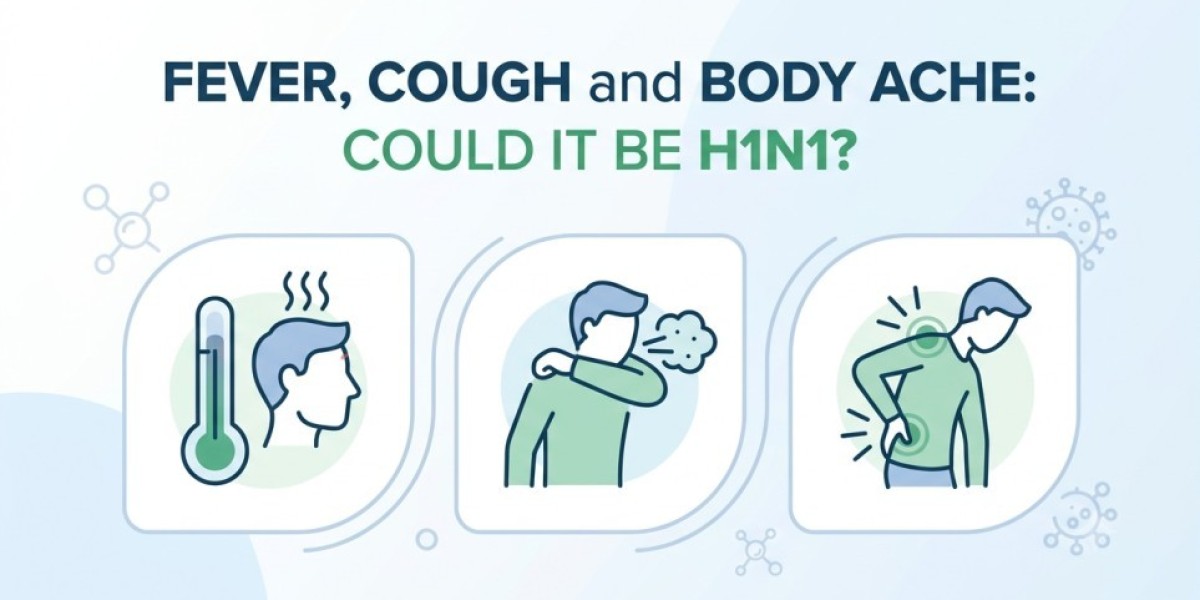

Fever, cough and body ache are common symptoms that can occur with several respiratory infections. During flu season, however, these symptoms may raise an important question: could it be H1N1, also known as swine flu?
H1N1 is a strain of influenza A virus that can cause illness ranging from mild flu-like symptoms to more serious respiratory complications. Because its early symptoms can look similar to those of seasonal flu and other respiratory infections, knowing the common H1N1 symptoms and understanding when testing or medical attention may be necessary can help people respond appropriately.
What Is H1N1 Flu?
H1N1 is an influenza A virus that primarily affects the respiratory system. It spreads through respiratory droplets and particles released when an infected person coughs, sneezes, talks or breathes. People can also become infected after touching contaminated surfaces and then touching their mouth, nose or eyes.
Although H1N1 can affect healthy people, certain individuals may have a higher risk of developing complications, including older adults, young children, pregnant women and people with certain chronic health conditions.
Common H1N1 Symptoms to Watch For
The symptoms of H1N1 can develop relatively suddenly. Common swine flu symptoms may include:
- Fever or feeling feverish
- Cough, often dry
- Sore throat
- Runny or blocked nose
- Headache
- Muscle or body aches
- Chills
- Fatigue or weakness
Some people may also experience nausea, vomiting or diarrhoea, particularly children.
Having these symptoms does not automatically mean a person has H1N1. Seasonal influenza, COVID-19 and other respiratory infections can produce similar symptoms. This is why symptoms alone generally cannot confirm which infection is responsible.
Fever, Cough and Body Ache: Is It Definitely H1N1?
Not necessarily. Fever combined with cough and body aches is often associated with influenza, but these symptoms are not unique to H1N1.
For example, a person with seasonal flu may experience very similar symptoms. COVID-19 and some other viral respiratory infections can also cause fever, cough, tiredness and muscle aches.
The severity and combination of symptoms can vary from person to person. Therefore, it is better to avoid assuming that every case of fever and cough is swine flu. If symptoms are significant, persistent or worsening, a healthcare professional can determine whether testing or further evaluation is appropriate.
When Might an H1N1 Test Be Needed?
An H1N1 test may be considered when influenza is suspected based on symptoms, exposure history, local flu activity and a person's risk of complications.
Laboratory testing can help identify influenza virus infection. Depending on the situation, healthcare professionals may recommend molecular tests or other influenza tests using respiratory samples.
A swine flu test is particularly useful when knowing the cause of the illness could influence medical management or infection-control decisions. Testing may also be considered for people who are at higher risk of complications or those who develop more serious symptoms.
It is important to remember that not every person with mild flu-like symptoms necessarily requires laboratory testing. The decision should be based on individual circumstances and medical advice.
What Does H1N1 Treatment Involve?
For many people, influenza is managed with rest, adequate fluids and treatment aimed at relieving symptoms. However, some patients may benefit from antiviral medicines.
H1N1 treatment depends on factors such as the severity of illness, how long symptoms have been present, age and underlying health conditions. Antiviral medicines work best when started early in appropriate cases, so people at higher risk of complications should seek medical advice promptly if flu symptoms develop.
Antibiotics do not treat H1N1 because it is caused by a virus rather than bacteria. Antibiotics may only be prescribed if a healthcare professional identifies a bacterial infection alongside or following influenza.
Self-medication is also not advisable, particularly for children, pregnant women, older adults or people with existing health conditions. A healthcare professional can recommend appropriate treatment based on the person's circumstances.
Warning Signs That Should Not Be Ignored
Most influenza infections do not become severe, but complications can occur. Certain symptoms require prompt medical attention.
Seek urgent medical care if someone develops:
- Difficulty breathing or shortness of breath
- Chest pain or pressure
- Severe weakness or confusion
- Persistent or worsening fever
- Bluish lips or face
- Signs of dehydration
- Symptoms that improve and then suddenly become worse
Children may show additional warning signs, such as difficulty breathing, unusual sleepiness, poor fluid intake or a significant change in behaviour.
People who are pregnant, very young, elderly or living with conditions such as asthma, diabetes or heart disease should be particularly cautious about worsening flu symptoms.
How Can H1N1 Be Prevented?
Simple precautions can reduce the spread of influenza viruses. Regular handwashing, covering the mouth and nose while coughing or sneezing, avoiding close contact with people who are sick and staying home when unwell can all help reduce transmission.
Improving ventilation in indoor spaces can also reduce exposure to respiratory particles. Influenza vaccination is another important preventive measure, particularly for people who are at increased risk of complications.
It is also helpful to avoid sharing personal items such as utensils or towels with someone who is sick.
Don't Rely on Symptoms Alone
Fever, cough and body aches can be signs of H1N1, but they can also occur with several other infections. The presence of H1N1 symptoms does not by itself confirm an H1N1 infection.
If symptoms are severe, persistent or occur in someone at higher risk of complications, medical advice should be sought rather than relying on self-diagnosis. Where appropriate, an H1N1 test or other respiratory testing can help identify the infection and guide further management.
The key is to pay attention to how symptoms develop, recognise warning signs early and seek professional advice when needed. Early evaluation can be especially important when flu symptoms are severe or when the person belongs to a higher-risk group.