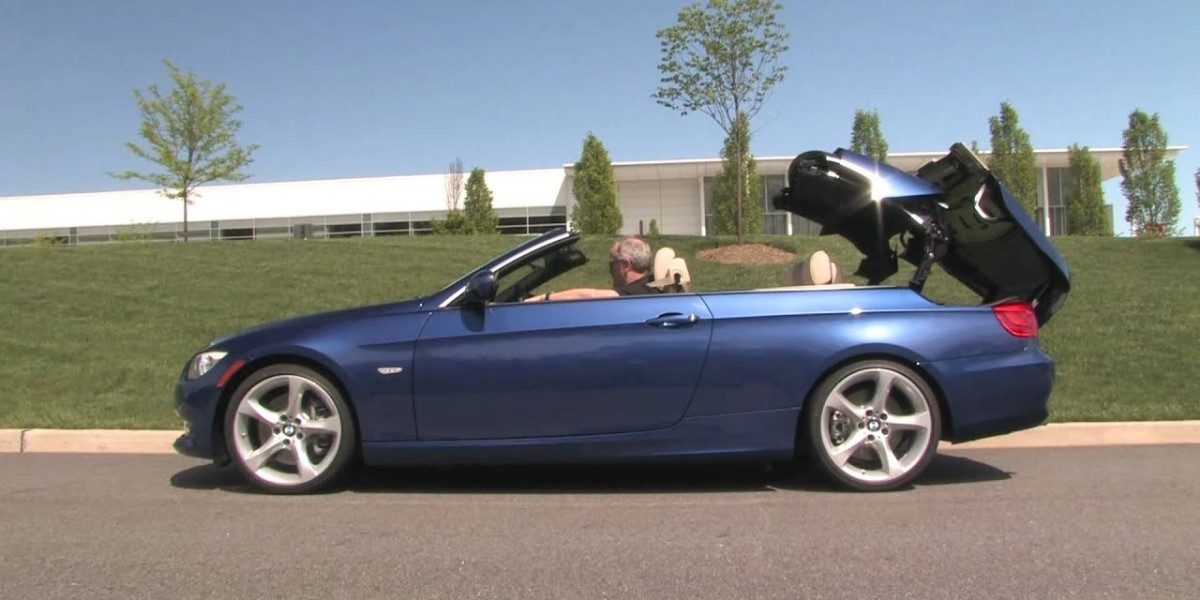

Introduction
The automotive convertible top market occupies a distinctive position within the automotive industry, serving sports cars, luxury vehicles, premium passenger cars, and lifestyle-oriented models. Convertible roofs provide an appealing open-air driving experience, but their development involves considerable engineering, material, manufacturing, and maintenance requirements.
Several automotive convertible top restraints can influence product adoption and market expansion. High system costs, mechanical complexity, weight considerations, weather-related limitations, maintenance requirements, and the relatively specialized nature of convertible vehicles can create challenges for manufacturers and suppliers. Addressing these limitations requires continued investment in materials, design optimization, automation, and reliability.
High Manufacturing Costs
One of the most significant restraints is the cost associated with developing and manufacturing sophisticated convertible roof systems. A convertible top generally requires more components than a conventional fixed roof, including hinges, motors, actuators, locking mechanisms, seals, control systems, structural supports, and specialized fabrics.
Advanced materials and precision manufacturing can further increase production expenses. These costs may be easier to absorb in luxury and premium vehicles but can make convertible systems less attractive for lower-priced vehicle segments.
Manufacturers must therefore balance technological sophistication with affordability while maintaining quality and reliability.
Mechanical Complexity Creates Reliability Challenges
Convertible roof systems involve multiple components that must operate in a carefully coordinated sequence. A failure in one component can prevent the entire roof from opening or closing properly.
Electric motors, hydraulic mechanisms, sensors, cables, latches, hinges, and control modules can all experience wear over time. More advanced systems can introduce additional points of potential failure.
Manufacturers need extensive testing to ensure reliable operation across thousands of opening and closing cycles. This increases development time and engineering costs, creating a barrier for companies entering the segment.
Weight Can Limit Vehicle Efficiency
Weight remains an important consideration in automotive engineering. Convertible roof assemblies can add mass because they require structural reinforcement, mechanical components, storage mechanisms, and additional sealing systems.
Additional weight can influence vehicle acceleration, handling, efficiency, and overall performance. This creates a challenge for automakers seeking to reduce vehicle mass.
Lightweight materials can help address this issue, but advanced alloys, composites, and engineered polymers may be more expensive than conventional materials. Finding the right balance between weight, durability, cost, and structural performance remains an ongoing challenge.
Weather Conditions Affect Consumer Usage
Convertible vehicles are strongly influenced by environmental conditions. Heavy rainfall, extreme heat, snow, strong winds, and prolonged ultraviolet exposure can affect both roof materials and the overall driving experience.
Soft-top fabrics need to withstand repeated exposure to sunlight and moisture while maintaining their appearance and protective performance. Excessive heat can also place additional demands on cabin cooling systems.
These environmental considerations can reduce the practicality of convertible vehicles in certain regions and influence consumer purchasing decisions.
Noise and Insulation Limitations
Cabin noise can remain a concern, particularly with fabric-based convertible roofs. Although modern soft tops use multilayer construction and advanced insulation, they may not provide exactly the same acoustic performance as rigid fixed roofs.
Wind noise, road noise, and vibration can affect passenger comfort when the roof is closed. Premium vehicle buyers often expect quiet and refined interiors, making acoustic performance particularly important.
Manufacturers must invest in improved materials, seals, and structural designs to minimize these disadvantages, which can increase system complexity and cost.
Limited Vehicle Demand Restricts Economies of Scale
Convertible vehicles represent a specialized portion of the overall passenger vehicle market. Demand can fluctuate according to consumer preferences, economic conditions, vehicle pricing, and the popularity of premium and sports models.
Lower production volumes can make it difficult for manufacturers to achieve the same economies of scale available for conventional roof systems.
Suppliers may also need to develop vehicle-specific designs because convertible architectures vary considerably between models. Limited production runs can increase tooling, engineering, and inventory costs.
Maintenance and Replacement Expenses
Convertible roofs require specialized maintenance because of their moving components and exposure to environmental conditions. Fabrics, seals, motors, hydraulic systems, cables, and mechanical joints can deteriorate over time.
Replacement parts and specialized repairs may be expensive, particularly for premium vehicles. Consumers who are concerned about long-term ownership costs may therefore choose conventional fixed-roof vehicles instead.
Manufacturers can reduce this restraint by improving component durability, simplifying maintenance procedures, and developing more accessible replacement solutions.
Packaging and Design Constraints
Convertible roof systems require dedicated storage space when the roof is retracted. This can reduce available trunk capacity or limit how designers arrange other vehicle components.
Engineers must carefully manage the roof's folding path, storage location, structural reinforcement, and interaction with luggage space. These constraints can influence the overall architecture of the vehicle.
The challenge becomes greater when manufacturers attempt to combine compact dimensions with large retractable roof structures.
Safety and Structural Requirements
Removing a fixed roof can create additional engineering challenges related to vehicle rigidity and occupant protection. Convertible vehicles may require structural reinforcement to compensate for changes in the body architecture.
Additional safety features can add weight, cost, and design complexity. Manufacturers must ensure that convertible models meet applicable safety requirements while preserving the vehicle's driving characteristics and styling.
Balancing structural performance with lightweight construction remains an important engineering consideration.
Competition From Fixed-Roof Vehicles
Convertible vehicles compete with premium fixed-roof models that can offer high levels of comfort, technology, performance, and styling without the additional complexity of a retractable roof.
Consumers may prioritize quieter cabins, greater luggage capacity, improved weather protection, or lower ownership costs over open-air driving. As fixed-roof vehicles continue to incorporate advanced panoramic glass roofs and sophisticated interior technologies, the distinction between premium roof experiences can become more competitive.
Technological Investment Requirements
Developing next-generation convertible tops requires expertise across materials science, mechanical engineering, electronics, software, manufacturing, and vehicle integration.
Smaller suppliers may face difficulties funding research, testing, tooling, and production upgrades. Rapid changes in vehicle electronics can also require continuous investment in compatible control systems.
Companies that cannot keep pace with technological development may struggle to compete with established suppliers possessing greater engineering resources.
Conclusion
The automotive convertible top market faces several restraints that can influence its growth and technological adoption. High manufacturing costs, mechanical complexity, added weight, environmental exposure, acoustic limitations, maintenance requirements, packaging constraints, and specialized vehicle demand all affect the commercial potential of convertible roof systems.
The most important automotive convertible top restraints can be reduced through lightweight materials, improved component durability, simplified mechanisms, advanced sealing technologies, better insulation, and intelligent electronic controls. Manufacturers that successfully address these challenges can improve reliability and customer satisfaction while making convertible systems more practical for premium and performance-focused vehicles.
Although convertibles remain a specialized automotive category, continued engineering improvements can help overcome existing limitations and support the development of more efficient, comfortable, durable, and technologically advanced roof systems.