
Finding the right dietician for hypothyroidism can make healthy eating feel much simpler when you're managing an underactive thyroid. Hypothyroidism occurs when the thyroid gland does not produce enough thyroid hormones, which can affect metabolism, energy levels, body temperature, digestion, and several other functions. While nutrition does not replace medically prescribed thyroid treatment, a well-planned eating pattern can help support overall health and make it easier to maintain consistent, sustainable lifestyle habits.
For many people, managing hypothyroidism can feel frustrating. You may be eating carefully but still experience tiredness, changes in weight, constipation, dry skin, or difficulty maintaining your usual routine. These symptoms can have several causes, and proper medical evaluation is important. Nutrition can then become an important part of a broader health strategy.
A personalized approach is especially valuable because there is no single "hypothyroidism diet" that works for everyone. Your nutritional needs can depend on your age, lifestyle, medical history, medications, food preferences, activity level, and whether your hypothyroidism is associated with an autoimmune condition such as Hashimoto's disease.
Understanding Hypothyroidism and Nutrition
The thyroid is a small, butterfly-shaped gland located in the front of the neck. Thyroid hormones help regulate how the body uses energy and support normal functioning of the brain, heart, muscles, and other organs. When thyroid hormone production is too low, body processes can slow down.
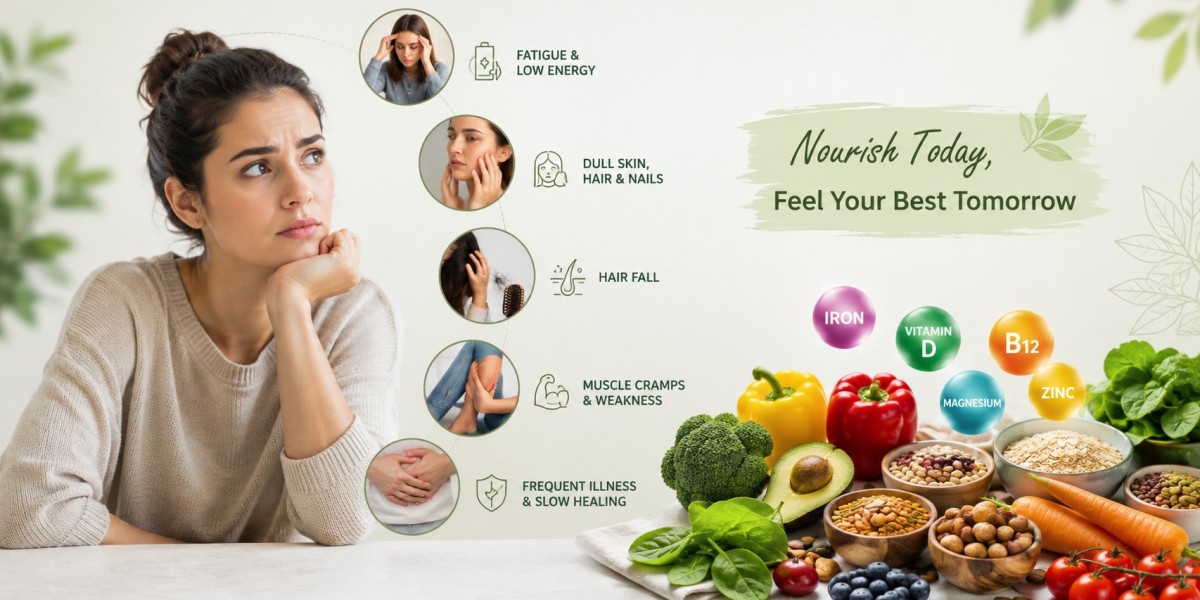
Common symptoms can include:
- Fatigue or low energy
- Feeling unusually cold
- Constipation
- Dry skin
- Difficulty concentrating
- Changes in mood
- Weight changes
- Muscle aches or weakness
However, these symptoms are not specific to hypothyroidism. A blood test and medical assessment are necessary for diagnosis.
Once hypothyroidism has been diagnosed, thyroid hormone replacement may be prescribed. Levothyroxine is commonly used to replace the hormone the thyroid is unable to produce adequately. Treatment needs to be monitored by a healthcare professional, and medication should not be stopped or changed based solely on dietary changes.
This is where nutrition counseling can complement medical care.
Why Work With a Dietician for Hypothyroidism?
Searching for a dietician for hypothyroidism often means looking for more than a generic meal plan. The goal should be to develop practical eating habits that fit your individual needs.
A qualified nutrition professional can help you:
1. Build a Balanced Eating Pattern
A balanced diet generally includes a variety of vegetables, fruits, whole grains, protein sources, healthy fats, and other nutrient-dense foods.
Rather than focusing on eliminating numerous foods, a personalized plan can emphasize adequate nutrition and sustainable habits.
2. Identify Nutritional Gaps
People sometimes turn to supplements after reading about nutrients associated with thyroid health. However, supplements are not automatically necessary simply because someone has hypothyroidism.
A nutrition professional can help assess dietary patterns and discuss whether nutritional deficiencies should be evaluated with your healthcare provider.
3. Create Practical Meal Routines
A thyroid-friendly eating pattern should also be realistic.
Your plan might need to work around:
- Office schedules
- Family meals
- Travel
- Exercise
- Vegetarian or vegan preferences
- Cultural foods
- Food allergies or intolerances
- Cooking time
- Budget
A sustainable plan is more useful than a restrictive diet that is difficult to follow.
The Role of Iodine in Thyroid Health
Iodine is essential because the thyroid uses it to make thyroid hormones. However, more iodine is not necessarily better.
This is an important point because many online "thyroid support" products promote high-dose iodine or seaweed-based supplements. Excessive iodine can actually cause or worsen thyroid dysfunction in susceptible people, particularly those with autoimmune thyroid conditions.
Therefore, iodine supplements should not be started simply because you have hypothyroidism.
Instead, discuss your iodine intake with your doctor or dietician, particularly if you regularly consume seaweed products or supplements containing iodine.
Pregnancy is a special situation because iodine requirements increase, so pregnant individuals should discuss appropriate iodine intake with their healthcare professional.
Nutrient-Dense Foods to Include
A well-rounded eating pattern can provide many nutrients needed for general health.
Protein-Rich Foods
Protein can help support muscles and contribute to satiety.
Depending on dietary preferences, options can include:
- Eggs
- Fish
- Chicken
- Lean meats
- Paneer
- Curd or yogurt
- Lentils
- Beans
- Chickpeas
- Tofu
- Nuts and seeds
The ideal amount varies according to individual requirements.
Fruits and Vegetables
Colorful fruits and vegetables provide fiber, vitamins, minerals, and plant compounds.
Try incorporating a variety of:
- Berries
- Apples
- Guava
- Citrus fruits
- Papaya
- Carrots
- Spinach
- Beans
- Pumpkin
- Tomatoes
- Bell peppers
- Broccoli
- Cauliflower
There is generally no reason for most people with hypothyroidism to eliminate vegetables such as broccoli or cauliflower. Overall dietary balance matters more than fear of individual foods.
Whole Grains
Whole grains can provide carbohydrates, fiber, vitamins, and minerals.
Examples include:
- Oats
- Brown rice
- Quinoa
- Whole-wheat roti
- Barley
- Millets
The right carbohydrate choices and portions depend on your overall nutritional goals.
Healthy Fats
Healthy fats can be incorporated through foods such as:
- Nuts
- Seeds
- Avocado
- Olive oil
- Groundnut oil
- Fatty fish
Portions still matter because fats are energy-dense.
What About Gluten?
Gluten-free diets are frequently promoted online as a solution for thyroid problems. However, eliminating gluten is not automatically necessary for everyone with hypothyroidism.
The American Thyroid Association notes that there is no evidence that eliminating specific dietary components such as gluten prevents hypothyroidism.
If you have celiac disease, gluten sensitivity, or another medically established reason to avoid gluten, your dietary approach may be different. In such circumstances, working with an appropriately qualified healthcare professional can help ensure your diet remains nutritionally complete.
Soy and Hypothyroidism: Should You Avoid It?
Soy is another food that often creates confusion.
Instead of automatically eliminating soy foods, your diet should be considered in the context of your overall eating pattern and medication routine. Foods such as tofu, tempeh, and soy-based products can provide protein and may fit into a balanced diet for many people.
If you take thyroid hormone medication, however, discuss the timing of food, supplements, and medication with your healthcare provider because absorption can be affected by certain foods and products.
The key is personalization rather than unnecessary restriction.
Thyroid Medication and Meal Timing
One of the most important parts of managing hypothyroidism is taking thyroid medication correctly.
The exact instructions depend on the medication and your healthcare professional's recommendations. NIDDK notes that doctors may recommend taking thyroid hormone medicine in the morning before eating, and medication should be taken as instructed.
Some foods, supplements, and medications can interfere with absorption of thyroid hormone. Because of this, people taking levothyroxine should ask their doctor or pharmacist about appropriate timing.
A dietician can also help you build meals around your medication routine without making your daily schedule unnecessarily complicated.
Should You Take Thyroid Supplements?
"Thyroid support" supplements are widely marketed online, but caution is important.
Some products contain iodine or other ingredients in amounts that may not be appropriate. Clinical guidelines have advised against using dietary supplements or nutraceutical products as a treatment for hypothyroidism, particularly cautioning against pharmacological doses of iodine.
This does not mean every vitamin or mineral supplement is inappropriate. It means supplementation should have a clear reason and ideally be discussed with a healthcare professional.
If you are considering:
- Iodine supplements
- Selenium
- Herbal thyroid products
- Multivitamins
- Weight-loss supplements
- "Thyroid boosters"
discuss them with your healthcare team before starting them.
Can Nutrition Help With Weight Management?
Weight changes can be one of the concerns associated with hypothyroidism. However, weight management should not be approached through extreme calorie restriction or crash diets.
Once thyroid hormone levels are appropriately managed, nutrition and physical activity can support healthy weight management.
A personalized nutrition plan may focus on:
- Adequate protein
- High-fiber foods
- Appropriate portions
- Regular meals
- Nutrient-dense snacks
- Hydration
- Physical activity
- Adequate sleep
- Long-term consistency
The goal should be sustainable progress rather than rapid results.
A Sample Day of Balanced Eating
A dietician may customize meals based on individual needs, but a general example of balanced eating could look like this:
Breakfast:
Vegetable oats or vegetable poha with a protein source, accompanied by fruit.
Mid-morning:
A fruit with a small portion of nuts or seeds.
Lunch:
Whole-wheat roti or brown rice with dal, vegetables, salad, and a suitable protein source such as paneer, curd, fish, or chicken.
Evening snack:
Roasted chickpeas, sprouts, fruit, or another balanced snack.
Dinner:
Vegetable soup or cooked vegetables with a protein source and an appropriate serving of whole grains or other carbohydrate foods.
Hydration:
Water throughout the day according to individual needs.
This is only an illustrative example, not a personalized medical diet. Portion sizes and food choices should be adjusted according to individual nutritional requirements.
Lifestyle Habits That Complement Nutrition
Nutrition is only one part of a healthy lifestyle.
Stay Physically Active
Choose activities you can maintain consistently. Walking, strength training, yoga, cycling, swimming, or other enjoyable forms of movement may be appropriate depending on your health and fitness level.
Prioritize Sleep
Poor sleep can affect energy, appetite, mood, and daily functioning. Developing a consistent sleep schedule can support overall wellness.
Manage Stress
Stress management does not cure hypothyroidism, but healthy stress-management habits can support general well-being.
Meditation, breathing exercises, yoga, hobbies, social connection, and time outdoors may help some people manage everyday stress.
Keep Medical Follow-Ups
Nutrition should complement, not replace, medical treatment.
Thyroid hormone levels need to be monitored through appropriate testing. NIDDK notes that after starting or adjusting thyroid hormone medication, doctors may perform blood testing and adjust treatment according to results.
Common Diet Mistakes to Avoid
When searching online for thyroid diets, it is easy to encounter extreme recommendations.
Mistake 1: Taking High-Dose Iodine
More iodine is not automatically better. Excess iodine can negatively affect thyroid function in some people.
Mistake 2: Eliminating Entire Food Groups
Removing gluten, dairy, grains, vegetables, or other foods without a medical reason can unnecessarily restrict your diet.
Mistake 3: Depending on "Thyroid Boosters"
Supplements marketed as thyroid boosters should be approached carefully. Evidence-based medical treatment remains central to hypothyroidism management.
Mistake 4: Following Someone Else's Meal Plan
A meal plan designed for another person may not match your nutritional needs, medications, lifestyle, or health goals.
Mistake 5: Expecting Food to Replace Medication
Diet can support general health, but it should not be viewed as a replacement for prescribed thyroid hormone treatment.
How to Choose the Right Dietician for Hypothyroidism
If you are looking for professional nutrition support, consider whether the dietician takes a personalized and evidence-informed approach.
Look for someone who:
- Understands thyroid conditions and nutrition
- Reviews your existing eating habits
- Considers medications and supplements
- Avoids unnecessary food restrictions
- Creates practical meal plans
- Considers your cultural food preferences
- Supports sustainable lifestyle changes
- Coordinates appropriately with your healthcare team
A good nutrition plan should fit your life rather than force your life to fit the plan.
Questions to Ask During a Nutrition Consultation
Before beginning a nutrition program, you may want to ask:
- Can the meal plan be customized to my lifestyle?
- How should I structure meals around my thyroid medication?
- Do I need any nutritional testing?
- Should I take iodine or selenium supplements?
- Which foods should I prioritize?
- Are there foods I genuinely need to avoid?
- How can I manage weight without extreme dieting?
- Can the plan accommodate Indian foods and family meals?
- How can I make the plan practical for work and travel?
- How should my nutrition plan change if my medical treatment changes?
These questions can help make your consultation more productive.
Why Personalized Nutrition Matters
Hypothyroidism is not identical for every individual. Two people with the same diagnosis may have very different nutritional requirements, lifestyles, medication schedules, food preferences, and health goals.
For one person, the priority may be improving meal quality. For another, it could be establishing a sustainable weight-management routine. Someone else may need help managing constipation, improving protein intake, or creating meals around medication timing.
This is why individualized guidance can be more useful than a generic "thyroid diet" found online.
Take a Smarter Approach to Thyroid Nutrition
Managing hypothyroidism does not have to mean living on a highly restrictive diet. A balanced, nutrient-rich eating pattern, appropriate medical treatment, regular monitoring, physical activity, good sleep, and sustainable lifestyle habits can work together as part of a comprehensive approach to wellness.
The most important principle is to avoid extreme claims. There is no magic food that can instantly normalize thyroid function, and there is no universal list of foods that every person with hypothyroidism must eliminate.
Instead, focus on nutritional adequacy, consistency, personalization, and evidence-based care.
If you are searching for a dietician for hypothyroidism, professional nutrition guidance can help you understand how to build meals that suit your health goals while complementing your medical treatment. A thoughtful approach can make healthy eating more practical, less confusing, and easier to maintain over the long term.
Important: This article is for general educational purposes and is not a substitute for diagnosis, medication advice, or individualized medical care. If you have hypothyroidism, are pregnant, have an autoimmune thyroid condition, or take thyroid medication, discuss dietary changes and supplements with your doctor or qualified dietician.