
A beard hair transplant is a personalized procedure designed to improve beard density, define facial contours, or address areas where natural growth is sparse. While the treatment itself is an important part of the process, understanding the complete journey can help patients approach it with realistic expectations. From the initial consultation and donor-area assessment to recovery and the gradual development of new beard growth, each stage has a specific purpose.
For individuals considering Beard Hair Transplant in Dubai, the journey usually begins with an assessment of facial hair patterns, skin condition, donor hair availability, and the desired beard shape. A qualified medical professional can then determine whether transplantation is appropriate and discuss the technique most suitable for the patient’s goals.
Unlike temporary beard-enhancing methods, transplantation involves moving hair follicles from a suitable donor area to carefully selected areas of the face. The transplanted follicles need time to settle and eventually produce new growth, so results are not immediate. Patience and proper aftercare are essential.
The experience can also vary according to the number of grafts required, the chosen transplantation technique, individual healing characteristics, and the natural characteristics of the donor hair. Understanding these factors can make the process more predictable and help patients make informed decisions.
The Initial Consultation and Beard Assessment
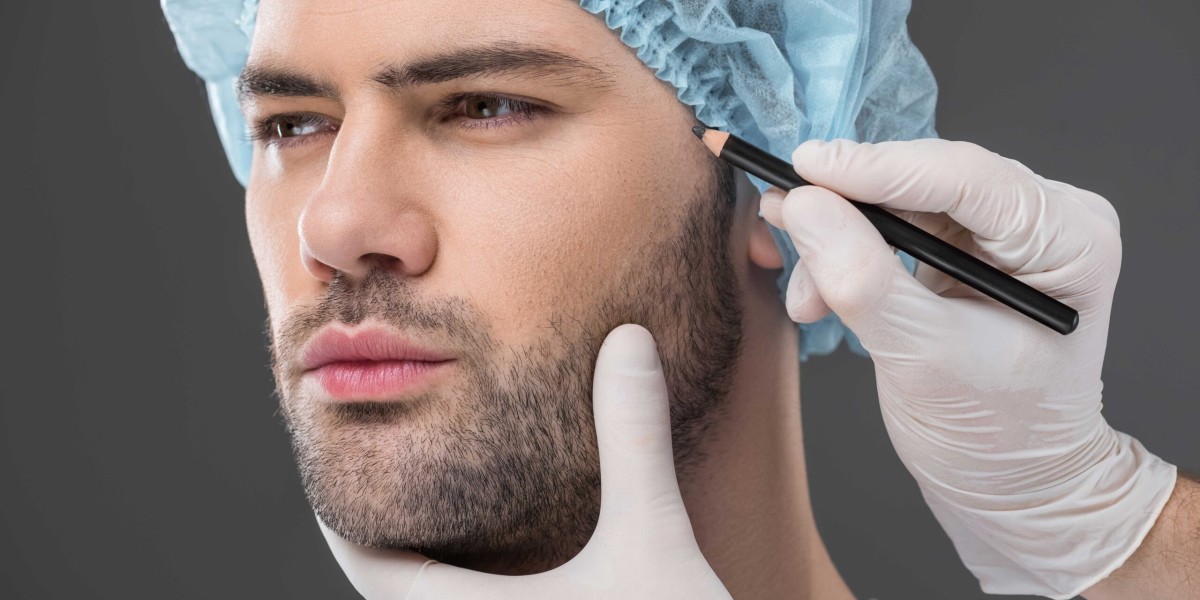
The journey generally starts with a detailed consultation. During this stage, the practitioner evaluates beard density, growth direction, facial proportions, existing hair distribution, and the condition of the potential donor area.
The desired beard design is also discussed. Some patients may want to fill isolated patches, while others may be seeking greater overall density or stronger definition around the cheeks and jawline.
A professional assessment should focus on what can realistically be achieved rather than promising a particular outcome. The practitioner may also discuss medical history, previous procedures, medications, and factors that could influence healing.
Planning the Beard Design
Beard design is one of the most important parts of the process because facial hair needs to complement the patient’s natural features.
The hairline and cheek contours should generally look natural rather than excessively uniform. Placement also needs to account for the direction in which beard hair normally grows. Individual follicles may require careful positioning to create an appearance that blends with existing facial hair.
During the Beard Hair Transplant in Dubai journey, treatment planning may therefore involve considerable attention to facial symmetry, graft distribution, hair characteristics, and long-term appearance.
Understanding the Donor Area
The donor area is commonly assessed for follicle quality and availability before transplantation. The practitioner determines whether enough suitable follicles can be safely harvested without creating an obvious reduction in donor density.
Hair characteristics matter as well. Thickness, texture, curl pattern, and the contrast between hair and skin can all affect how dense the transplanted beard appears.
A realistic treatment plan should balance the desired beard density with the available donor supply.
What Happens During the Procedure?
On the treatment day, the selected areas are prepared and local anesthesia is generally used to keep the procedure comfortable.
Follicular units are carefully harvested from the donor area using the chosen technique. These grafts are then prepared for implantation into the beard region.
The recipient sites are created according to the planned beard design. Particular attention is given to the angle, direction, and distribution of the follicles because these details influence how natural the beard looks once it grows.
The length of the procedure can vary depending on the number of grafts, the technique used, and the complexity of the treatment area. Patients should receive specific information about the expected duration during their consultation.
The First Few Days After Treatment
Immediately after transplantation, mild redness, swelling, tenderness, or small crusts can occur around the treated areas. These effects are generally part of the early healing process, although individual experiences differ.
Aftercare instructions should be followed carefully. Patients may be advised to avoid unnecessary touching or rubbing of the transplanted area and to follow specific cleansing instructions.
Activities that increase irritation or interfere with healing may need to be limited temporarily. The medical team should provide guidance about washing, exercise, sun exposure, and returning to normal routines.
The Early Growth Phase
One of the most important things to understand is that transplanted follicles do not immediately produce a fully developed beard.
Some transplanted hairs may shed during the early post-treatment period. This can be concerning for patients who expect continuous visible growth, but shedding can occur as part of the normal hair-growth cycle following transplantation.
The follicles remain beneath the skin and may gradually enter a new growth phase. Because hair grows in cycles, visible improvement takes time.
Gradual Development of the Final Result
New beard growth generally develops progressively rather than appearing all at once. As the follicles begin producing new hairs, density can gradually improve.
The final appearance depends on several individual factors, including follicle survival, donor-hair characteristics, natural growth patterns, skin condition, and adherence to aftercare recommendations.
Patients should therefore evaluate progress over an appropriate timeframe rather than judging the result during the first few weeks.
How to Choose the Right Provider for Beard Hair Transplant in Dubai
Choosing an appropriate medical provider requires more than comparing photographs or promotional claims. Patients should consider several important factors.
Experience and Qualifications
Look for appropriately qualified medical professionals with relevant experience in hair restoration and facial hair transplantation. Experience with beard procedures is particularly valuable because facial implantation requires careful attention to direction and aesthetics.
Technology and Techniques
Ask which transplantation technique is recommended and why. The most appropriate approach depends on individual anatomy, donor availability, treatment objectives, and the practitioner’s assessment.
Safety Standards
A reputable facility should maintain appropriate hygiene, sterilization, infection-control, and patient-safety protocols. Patients should also receive clear information about potential risks and complications.
Consultation Process
A thorough consultation should involve an examination rather than simply discussing the procedure and its benefits. The provider should explain limitations, expected recovery, and realistic outcomes.
Patient Experience
Communication is another important consideration. Patients should feel comfortable asking questions about the procedure, aftercare, healing, and follow-up appointments.
Expected Results
Avoid providers that guarantee identical results for every patient. Beard transplantation outcomes vary, and a responsible treatment plan should be based on the individual’s characteristics and realistic expectations.
Frequently Asked Questions
Is a beard hair transplant painful?
The procedure is generally performed using local anesthesia, which helps minimize discomfort during treatment. Some tenderness or sensitivity may occur after the procedure while the treated areas heal.
How soon can I see new beard growth?
New growth is gradual. Early shedding can occur, followed by a period during which the transplanted follicles establish themselves. Noticeable improvement develops progressively rather than immediately.
Can transplanted beard hair look natural?
Naturalness depends heavily on follicle placement, angle, direction, distribution, and the characteristics of the transplanted hair. Careful treatment planning is essential for achieving a convincing appearance.
How long does recovery take?
Initial healing generally occurs over the early weeks, but complete maturation of transplanted hair takes considerably longer. The exact timeline varies between individuals and should be discussed during consultation.
Can I choose the exact shape of my new beard?
Patients can generally discuss their preferred beard shape and density during treatment planning. However, the final design must also take facial proportions, existing growth, donor availability, and natural hair direction into account.
Conclusion
A beard transplant is a gradual process rather than a single-day transformation. The journey includes consultation, facial design, donor assessment, follicle transplantation, early healing, and progressive new growth. Understanding each stage can help patients prepare appropriately and maintain realistic expectations.
For anyone considering Enfield Royal Clinic, selecting a qualified provider, discussing individual goals, understanding potential risks, and following professional aftercare guidance are essential steps. A carefully planned procedure combined with patience during the growth phase can help support a natural-looking and proportionate beard appearance.