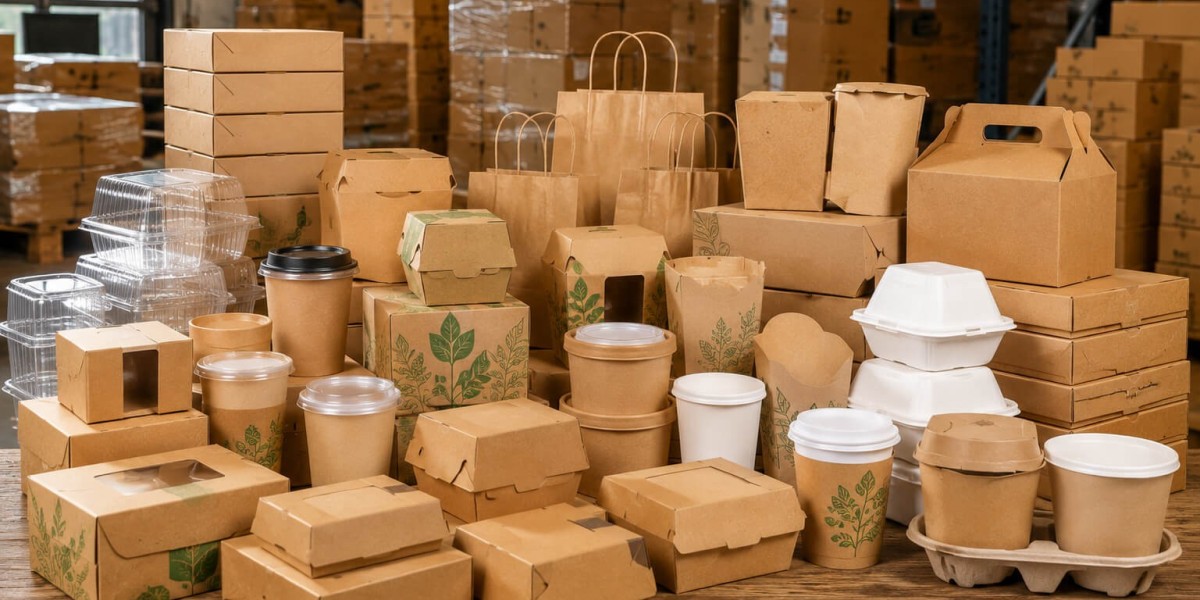

Takeout and delivery have become a permanent part of how restaurants operate, not just a pandemic-era adjustment, and that shift has put packaging under far more scrutiny than it used to face. Customers now interact with a restaurant's packaging as often as they interact with its dining room, sometimes more often, and that packaging is increasingly expected to reflect the same values customers look for in the food itself: quality, care, and growing attention to environmental impact. For restaurant owners, understanding what eco-friendly packaging actually involves, and what trade-offs come with it, has become a genuinely important operational decision, not just a marketing consideration.
This article breaks down what restaurants specifically need to know about eco-friendly food packaging, from material options to practical cost and performance considerations.
Why This Matters More for Restaurants Than It Used To
Takeout and Delivery Volume Has Changed the Packaging Calculation
Restaurants that once used packaging only occasionally, for the rare to-go order, now rely on it constantly, sometimes for a majority of their overall business. That volume shift means packaging choices affect cost, waste, and customer perception at a scale that simply wasn't relevant for many restaurants a decade ago.
Customers Increasingly Judge Restaurants on Packaging Choices
Diners now regularly comment on and share photos of restaurant packaging, particularly when it's notably wasteful or notably thoughtful. Excessive plastic, non-recyclable containers, or unnecessary extra packaging can generate visible criticism, while genuinely well-considered eco-friendly packaging can become a point of positive differentiation and word-of-mouth marketing.
Regulatory Pressure Is Increasing in Many Regions
A growing number of cities and regions have introduced restrictions on single-use plastics, polystyrene containers, or plastic straws and utensils, sometimes with specific requirements around compostable or recyclable alternatives. Restaurants operating in or expanding into these areas need to understand local requirements well before they become a compliance issue rather than a proactive choice.
What Eco-Friendly Restaurant Packaging Actually Involves
Compostable Containers
Made from materials like sugarcane fiber (bagasse), PLA (plant-based plastic), or molded pulp, compostable containers break down under proper composting conditions, industrial composting facilities in most cases, rather than sitting in a landfill indefinitely. These have become common for hot food containers, salad bowls, and similar applications where standard paper alone wouldn't hold up structurally or against moisture.
Recyclable Paper and Cardboard Packaging
Uncoated or lightly coated paper and cardboard containers, bags, and wraps are broadly recyclable through standard municipal systems, making them one of the more straightforward eco-friendly options for restaurants, provided the specific coating used doesn't compromise recyclability.
Reduced or Eliminated Single-Use Plastics
Beyond container material itself, many restaurants are reducing or eliminating plastic elements entirely, plastic bags, plastic cutlery, plastic straws, replacing them with paper alternatives or making these items available by request only rather than automatically included with every order.
Right-Sized Packaging
An often-overlooked aspect of eco-friendly packaging is simply avoiding oversized containers that use more material than a given order actually requires. Matching container size to portion size reduces material waste directly, independent of what specific material is used.
Practical Considerations for Restaurants Choosing Eco-Friendly Packaging
Compostable Doesn't Always Mean Easy to Dispose Of Properly
A significant limitation of compostable packaging is that it generally requires industrial composting facilities to break down properly, conditions most residential trash or recycling systems don't provide. Without access to composting infrastructure, compostable containers often end up in a landfill anyway, where they may not break down meaningfully faster than conventional packaging. It's worth understanding what composting infrastructure actually exists in your area, and communicating disposal instructions clearly to customers if compostable packaging is used.
Cost Differences Are Real but Narrowing
Eco-friendly packaging options, particularly compostable containers, have historically cost more than standard plastic or polystyrene alternatives, sometimes significantly. That gap has narrowed considerably as demand and production scale have increased, but it's still worth budgeting realistically for a potential cost increase when switching, and comparing multiple suppliers rather than assuming pricing is uniform across the market.
Structural Performance Needs to Match the Food Being Served
Not every eco-friendly material performs identically to plastic in every situation. Hot, greasy, or liquid-heavy foods need packaging specifically rated for that use, since some compostable or paper-based options can weaken, leak, or become soggy if not designed for the specific food type. Testing packaging with your actual menu items, not just assuming a general "eco-friendly" label guarantees adequate performance, matters considerably here.
Delivery Partners May Have Their Own Requirements
Restaurants working with third-party delivery platforms should check whether those platforms have specific packaging requirements or restrictions, since some regions and platforms have begun implementing their own sustainability standards that restaurants need to comply with independent of their own preferences.
How to Approach the Switch Without Disrupting Operations
Start With Your Highest-Volume Packaging Items
Rather than overhauling every packaging item at once, identifying the highest-volume containers, likely your most common takeout container or bag, and switching those first delivers the largest environmental and cost impact for the effort involved, while keeping the transition manageable.
Test With Real Orders Before Committing to a Full Switch
Running a trial period with new packaging on actual orders, checking for leaks, structural failures, or customer complaints, helps catch problems before a full-scale switch, particularly important for hot or liquid-heavy menu items where packaging failure creates a genuinely bad customer experience.
Communicate the Change to Customers
Simple messaging, on menus, receipts, or social media, explaining a switch to eco-friendly packaging helps customers understand and appreciate the change, and can also include disposal guidance if compostable materials are involved, since many customers don't automatically know how to dispose of these materials correctly.
Watch for Bulk Purchasing Opportunities
As with most packaging categories, ordering in bulk generally reduces per-unit cost significantly. Restaurants transitioning to eco-friendly packaging should evaluate whether a wholesale supplier relationship makes sense given their order volume, rather than continuing to purchase smaller quantities at higher per-unit prices.
Balancing Sustainability With Practical Restaurant Operations
It's worth being realistic that eco-friendly packaging isn't a single, universal solution; different menu items may call for different materials, and a fully plastic-free operation isn't always achievable or practical for every restaurant immediately. A reasonable approach for many restaurants involves prioritizing the highest-impact changes first, reducing unnecessary single-use plastics, switching primary containers to recyclable or compostable options, and right-sizing packaging, while acknowledging that a complete transition may happen gradually rather than all at once.
The Bottom Line
Eco-friendly food packaging has moved from a nice-to-have consideration to a genuinely important operational and reputational factor for restaurants, driven by rising customer expectations, growing regulatory pressure, and the sheer volume of packaging most restaurants now use through takeout and delivery. Making informed choices, understanding what compostable materials actually require for proper disposal, matching packaging performance to specific menu items, and prioritizing the highest-volume switches first, helps restaurants make meaningful progress without disrupting day-to-day operations or overcommitting budget too quickly. For restaurants navigating this shift, the goal isn't perfection overnight, it's steady, well-informed progress toward packaging that reflects the same care customers expect from the food itself.
FAQs
Is compostable packaging actually better for the environment than plastic?
Generally yes, but only when it actually reaches proper composting facilities. Without access to industrial composting infrastructure, compostable packaging can end up in a landfill similarly to conventional packaging, so understanding local disposal options matters as much as the material choice itself.
How much more expensive is eco-friendly restaurant packaging compared to standard options?
Costs vary by material and supplier, but the gap has narrowed significantly in recent years as demand has increased. It's worth comparing quotes from multiple suppliers, since pricing isn't uniform, and considering bulk purchasing to reduce per-unit costs further.
Do compostable containers work well for hot, greasy, or liquid foods?
Many are specifically designed for this purpose, but not all compostable materials perform equally well across different food types. It's important to test specific packaging with your actual menu items rather than assuming a general eco-friendly label guarantees adequate performance.
4. Are restaurants legally required to use eco-friendly packaging?
This depends heavily on local and regional regulations. A growing number of areas have introduced restrictions on single-use plastics or polystyrene, so it's worth checking specific requirements in your operating area rather than assuming regulations are uniform everywhere.
5. What's the easiest first step for a restaurant wanting to switch to eco-friendly packaging?
Starting with the highest-volume packaging item, typically the primary takeout container, tends to deliver the biggest impact for the least operational disruption, making it a practical starting point before expanding to other packaging categories.
6. Should restaurants communicate their packaging changes to customers?
Yes, this is generally worthwhile. Clear messaging about a switch to eco-friendly packaging helps customers understand and appreciate the change, and including disposal instructions for compostable materials helps ensure the packaging is actually disposed of correctly rather than ending up in general landfill waste.