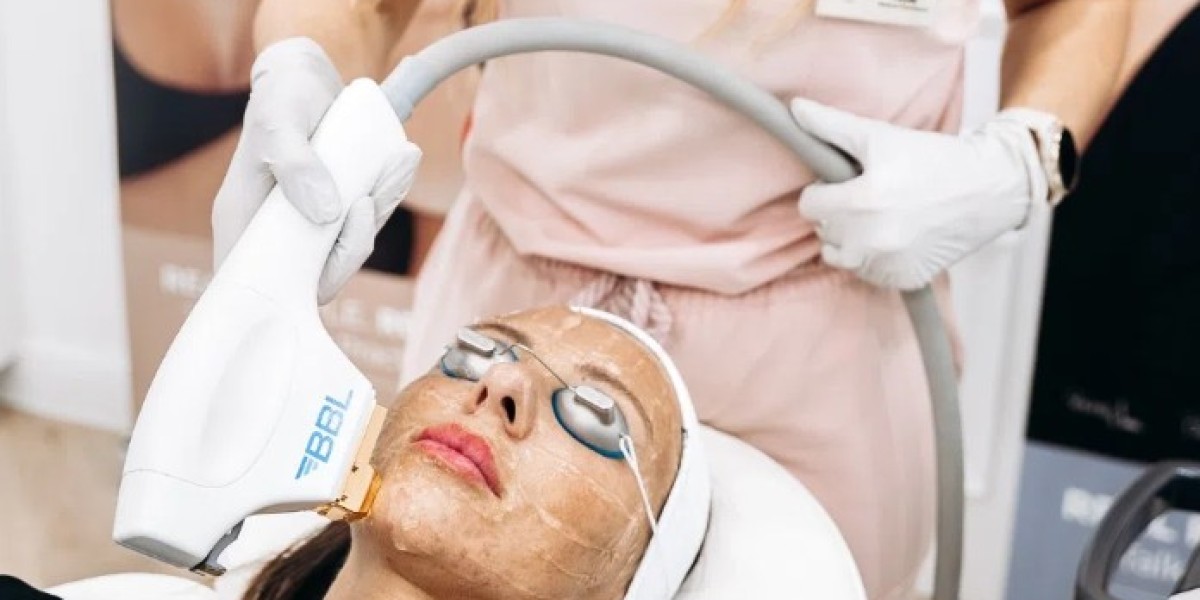

Uneven skin tone is a common aesthetic concern that can affect the face, neck, and other visible areas of the skin. Pigmentation may appear as dark patches, brown spots, uneven complexion, or areas that look noticeably darker than the surrounding skin. These changes can develop for different reasons, including sun exposure, hormonal fluctuations, post-inflammatory changes, and the natural ageing process.
For people looking to improve the appearance of uneven skin tone, modern aesthetic treatments offer several approaches designed to target excess pigmentation while supporting a clearer and more balanced complexion. Choosing the right treatment depends on the type of pigmentation, its location, skin characteristics, and individual aesthetic goals.
If you are searching for Pigmentation In Manchester, advanced skin treatments at SLA Medical Clinic can provide a personalised approach to improving the appearance of discolouration and creating a more even-looking complexion.
What Is Pigmentation?
Pigmentation refers to changes in the colour of the skin caused by variations in melanin, the natural pigment responsible for skin, hair, and eye colour. When melanin production becomes concentrated in certain areas, darker patches or spots can develop.
Pigmentation can vary considerably from one person to another. Some people may notice small, isolated dark spots, while others may experience larger areas of uneven colour across the cheeks, forehead, upper lip, or other areas.
Understanding the characteristics of pigmentation is important because different forms may respond differently to professional skin treatments.
Common Types of Pigmentation
Several forms of pigmentation can contribute to an uneven complexion.
Hyperpigmentation: This occurs when certain areas of the skin produce more melanin than surrounding areas, creating darker patches or spots.
Melasma: Melasma commonly appears as larger, symmetrical patches of brown or darker pigmentation, particularly around the cheeks, forehead, nose, and upper lip.
Post-inflammatory pigmentation: Dark marks can remain after skin inflammation or blemishes have settled, leaving areas of discolouration behind.
Sun-induced pigmentation: Repeated exposure to ultraviolet light can contribute to visible dark spots and an uneven complexion over time.
Age-related pigmentation: As the skin changes with age, areas of concentrated pigmentation can become more noticeable.
Why Does Pigmentation Develop?
Pigmentation can have multiple contributing factors. Identifying these factors helps professionals determine the most suitable treatment strategy.
Sun Exposure
Ultraviolet exposure can stimulate melanin production. With repeated exposure, pigmentation may become increasingly visible, particularly on areas that receive frequent sunlight such as the face, hands, neck, and décolletage.
Hormonal Changes
Hormonal fluctuations can influence melanin production and may contribute to pigmentation such as melasma. Changes associated with pregnancy, hormonal treatments, or other periods of hormonal variation can sometimes make pigmentation more noticeable.
Post-Inflammatory Changes
Skin inflammation can stimulate pigment production. After blemishes, irritation, or other inflammatory skin changes have settled, darker marks may remain for some time.
Natural Skin Changes
The skin naturally changes as part of the ageing process. Cell turnover, environmental exposure, and cumulative sun exposure can contribute to an increasingly uneven complexion.
How Advanced Pigmentation Treatments Work
Modern pigmentation treatments are designed to address excess pigmentation through different mechanisms. Some technologies focus on pigment within the skin, while others encourage skin renewal and improve overall skin quality.
A professional assessment is an important first step because pigmentation is not identical in every person. Treatment can then be selected according to the appearance, depth, distribution, and characteristics of the pigmentation.
Professional Skin Assessment
Before treatment, the skin can be evaluated to understand the type and distribution of pigmentation. A personalised assessment helps determine whether a laser-based procedure, chemical peel, microneedling approach, or another professional treatment may be appropriate.
At SLA Medical Clinic, treatment planning can be tailored around the individual's skin concerns and desired complexion.
Advanced Treatments for Pigmentation in Manchester
People looking for Pigmentation In Manchester have access to several modern aesthetic approaches. The appropriate option depends on the individual's pigmentation and overall skin condition.
Laser Pigmentation Treatment
Laser-based treatments can be used to target areas of excess pigmentation. Carefully selected laser energy interacts with pigment in the skin, helping to break down or reduce the appearance of unwanted dark areas.
Laser treatments can be particularly useful when pigmentation is localised or when specific dark spots need targeted attention. Treatment settings can be adjusted according to the individual's skin characteristics and pigmentation pattern.
Chemical Peels
Professional chemical peels use carefully selected exfoliating ingredients to encourage the removal of superficial layers of the skin. As the skin renews, areas of uneven pigmentation may become less noticeable.
Different types and strengths of peels can be selected according to the skin's condition and treatment objectives. Professional peels may also help improve the overall appearance of skin texture and brightness.
Microneedling
Microneedling uses fine needles to create controlled microchannels in the skin. This process stimulates the skin's natural renewal response and can support improvements in overall skin texture and appearance.
When incorporated into a personalised pigmentation plan, microneedling may help create a smoother, more refined complexion while addressing the appearance of uneven skin.
Medical-Grade Skin Treatments
Professional topical treatments may also form part of a pigmentation management plan. Specially selected ingredients can support skin renewal and help improve the appearance of uneven tone over time.
A personalised skincare programme can be particularly useful alongside professional procedures, helping maintain a consistent approach between appointments.
Choosing the Right Pigmentation Treatment
There is no single treatment that suits every type of pigmentation. Several factors should be considered before choosing a procedure.
Type of Pigmentation
Melasma, sun-related pigmentation, post-inflammatory marks, and isolated dark spots can have different characteristics. Identifying the pigmentation type helps guide treatment selection.
Skin Type and Tone
Skin tone and sensitivity are important considerations when selecting treatment technology and settings. A personalised approach allows treatment to be planned around the individual's complexion.
Location of Pigmentation
Pigmentation on the cheeks may require a different approach from pigmentation affecting the upper lip, forehead, neck, or hands. The size and distribution of the affected area can also influence treatment planning.
Desired Results
Some people primarily want to reduce individual dark spots, while others want a more comprehensive improvement in overall skin tone. Establishing realistic aesthetic goals allows the treatment plan to be tailored accordingly.
What to Expect During a Pigmentation Treatment Consultation
A professional consultation provides an opportunity to discuss the pigmentation concern in detail and understand the available treatment options.
Skin Evaluation
The appearance, distribution, and characteristics of pigmentation can be assessed. This helps establish which treatment approaches may be suitable.
Discussion of Skin Goals
The consultation can focus on what the individual wants to improve, whether that is isolated pigmentation, overall dullness, uneven tone, or a combination of concerns.
Personalised Treatment Planning
Once the skin has been evaluated, an appropriate treatment strategy can be developed. This may involve one treatment modality or a combination of professional procedures and skincare.
At SLA Medical Clinic, personalised treatment planning allows pigmentation concerns to be approached according to individual skin needs.
How to Support a More Even Skin Tone
Professional treatments can be complemented by consistent skincare habits. Maintaining a simple and appropriate skincare routine can support the appearance of a clearer and more balanced complexion.
Use Daily Sun Protection
Sun protection is an important part of maintaining an even-looking complexion. Regular use of broad-spectrum sunscreen can help reduce ongoing ultraviolet exposure and support the results of pigmentation-focused treatments.
Follow a Consistent Skincare Routine
A consistent routine can help maintain skin quality. Cleansing, moisturising, and using professionally recommended products can provide ongoing support for the skin.
Avoid Unnecessary Skin Irritation
Aggressive exfoliation or frequently changing skincare products may make it more difficult to maintain a consistent routine. Gentle, professionally guided skincare can be a better approach for pigmentation-prone skin.
Benefits of Professional Pigmentation Treatment
Professional treatment can provide several aesthetic benefits for people concerned about uneven skin tone.
More Even-Looking Complexion
Targeting visible areas of pigmentation can help create a more uniform appearance across the skin.
Brighter-Looking Skin
As excess pigmentation becomes less noticeable, the complexion may appear brighter and fresher.
Improved Skin Texture
Some pigmentation treatments, particularly procedures that encourage skin renewal, can also support improvements in the appearance of texture.
Personalised Treatment
Professional assessment allows treatment to be adapted to the individual's skin characteristics rather than relying on a one-size-fits-all approach.
Pigmentation Treatment and Long-Term Skin Maintenance
Pigmentation management is often best viewed as an ongoing skin-care process rather than a single event. Once the appearance of pigmentation has improved, maintaining a consistent skincare routine and protecting the skin from environmental exposure can help support an even-looking complexion.
Professional follow-up appointments can also help determine whether additional treatments are appropriate based on how the skin responds over time.
Maintaining Treatment Results
A personalised maintenance routine may include professional skincare products, appropriate sun protection, and periodic skin treatments. The exact approach depends on the individual's pigmentation and aesthetic goals.
Why Choose Professional Treatment for Pigmentation in Manchester?
Searching for Pigmentation In Manchester can provide access to professional treatment options designed around different pigmentation concerns. Rather than relying solely on generic skincare products, a professional assessment can identify the characteristics of the pigmentation and help establish a suitable treatment pathway.
At SLA Medical Clinic, pigmentation concerns can be assessed individually, with treatment options selected according to skin type, pigmentation characteristics, and desired results.
Frequently Asked Questions About Pigmentation Treatment
What is the best treatment for pigmentation?
The most appropriate treatment depends on the type, depth, location, and appearance of pigmentation. Options may include laser treatment, chemical peels, microneedling, or professionally recommended skincare.
Can pigmentation be treated with laser technology?
Laser technology can be used to target certain forms of pigmentation. A professional assessment is important to determine whether laser treatment is appropriate for an individual's skin and pigmentation pattern.
How long does pigmentation treatment take?
Treatment time varies according to the procedure and the size of the area being treated. Some targeted treatments may be relatively quick, while more comprehensive procedures can take longer.
Can chemical peels help with uneven skin tone?
Professional chemical peels can encourage skin renewal and may help improve the appearance of superficial pigmentation and uneven complexion. The type of peel should be selected according to individual skin requirements.
Is pigmentation treatment suitable for different skin tones?
Many pigmentation treatments can be adapted to different skin tones, but treatment selection and settings need to be carefully personalised. A professional consultation is therefore an important part of treatment planning.
Can skincare be combined with professional pigmentation treatments?
Yes. Professionally recommended skincare may complement in-clinic treatments and provide ongoing support for maintaining an even-looking complexion.
Where can I explore pigmentation treatment options in Manchester?
Those searching for Pigmentation In Manchester can consult SLA Medical Clinic for a personalised assessment and discussion of suitable treatment options for uneven skin tone.
Conclusion
Pigmentation can make the complexion appear uneven, dull, or inconsistent, but modern aesthetic treatments provide a range of approaches for improving the appearance of discolouration. From laser-based procedures and professional chemical peels to microneedling and personalised skincare, treatment can be selected according to the individual's pigmentation, skin type, and aesthetic goals.
For anyone researching Pigmentation In Manchester, a professional assessment is an important first step toward understanding the available options. SLA Medical Clinic provides a personalised approach to pigmentation concerns, helping patients explore advanced treatment options designed to support a clearer, brighter, and more even-looking complexion.