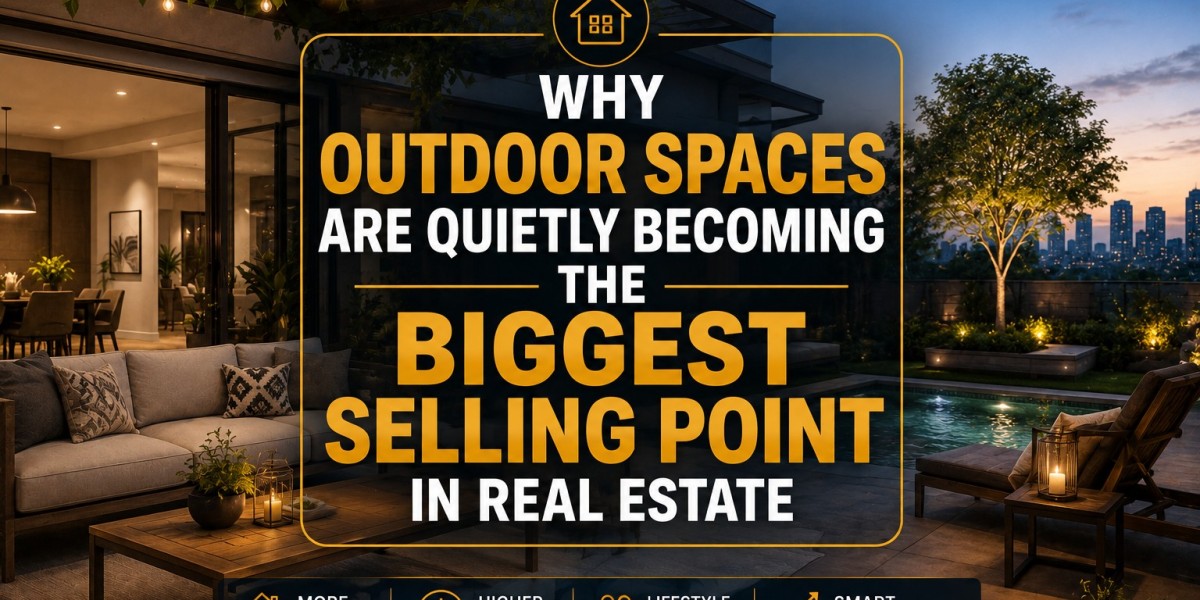

Walk through any new housing development or mixed-use project today, and you'll notice something: the yard, the courtyard, the rooftop garden, the walking trail; they're no longer afterthoughts squeezed in after the building design is finalized. They're being treated as a core part of the pitch.
Buyers and investors don't just want four walls and a roof anymore. They want to know what life looks like outside those walls too. And that shift is changing how architects, developers, and real estate marketers approach a property from day one.
The Problem With Selling an Empty Lot
Here's the challenge every developer runs into: a landscape plan on paper means almost nothing to a buyer. Rows of symbols representing shrubs, a dotted line for a walking path, a rectangle labeled "seating area" none of that translates into an emotional response. And real estate, at the end of the day, is an emotional purchase.
Photos of the finished building help, but if the outdoor space isn't built yet, there's nothing to photograph. Sales teams end up relying on vague verbal descriptions or generic stock images that don't match the actual project. That's a hard sell for anyone trying to move units or attract investors before construction even starts.
What Changed: Seeing Before Building
This is where 3D visualization has quietly reshaped the pre-construction sales process. Instead of asking a buyer to imagine a mature oak tree shading a patio, or picture how a pool deck catches the evening light, developers can now show it. Photorealistic renders let a prospective buyer stand virtually in the exact spot where their morning coffee routine might happen someday.
A few things tend to happen once outdoor visuals enter the marketing mix:
Faster decisions. Buyers spend less time debating and more time picturing themselves in the space.
Fewer change requests later. When people see accurate renderings early, there are fewer surprises (and fewer costly revisions) after construction begins.
Stronger marketing material. A single striking outdoor visual often outperforms a dozen technical drawings in ad campaigns, brochures, and listing pages.
Better internal alignment. Architects, landscape designers, and clients can spot design conflicts: a tree planted too close to a foundation, a walkway that doesn't quite flow before anyone breaks ground.
It's Not Just About Pretty Pictures
There's a temptation to think of outdoor renders as a "nice to have," a polish step added right before launch. But the more effective approach treats landscape visualization as part of the design process itself, not just the marketing wrap-up.
Lighting is a good example. How a space looks at golden hour versus under overcast midday light can completely change the mood a buyer associates with the property. Seasonal changes matter too; a courtyard surrounded by bare trees in a winter render tells a very different story than the same courtyard in full summer bloom. Developers who plan for these variations end up with far more flexible, honest marketing assets than those who commission a single generic "sunny day" image and call it done.
Pathways, seating nooks, water features, even the texture of paving stones these small details are what separate a render that feels like a technical drawing from one that feels like a place someone actually wants to live, work, or gather in.
Where This Fits Into the Bigger Picture
For architecture firms and developers juggling residential, commercial, hospitality, or mixed-use projects, outdoor visualization isn't a separate line item anymore; it's part of how the whole project gets communicated, funded, and eventually sold. Investors want to see the full picture, not just the building envelope. City planning boards often want to understand how a project fits its surroundings. And end buyers, more than ever, want to feel the space before they commit.
That's exactly the gap that dedicated landscape rendering services are built to close, turning flat plans and material lists into visuals that communicate the mood, function, and character of an outdoor space long before a single plant goes into the ground.
The Takeaway
Outdoor design used to be the part of the project nobody thought too hard about until the very end. That's changing. As competition in real estate marketing gets sharper, the projects that stand out are increasingly the ones that let buyers see clearly and realistically what their life could look like just outside the front door.
If you're planning a project where the surrounding landscape plays a real role in the buyer's decision, it's worth treating that outdoor visualization the same way you'd treat the building's interior: with intention, detail, and a plan for showing it off long before construction wraps up.